 14 citations
,
January 2013 in “Hormone and Metabolic Research”
14 citations
,
January 2013 in “Hormone and Metabolic Research” The severity of symptoms in nonclassical congenital adrenal hyperplasia is not determined by CYP21A2 gene variations.
 40 citations
,
February 2005 in “Fertility and Sterility”
40 citations
,
February 2005 in “Fertility and Sterility” Some women with PCOS have CYP21 mutations and IRS1 variants, but these genetic factors are not major contributors to PCOS.
 142 citations
,
January 2019 in “Frontiers in Neuroendocrinology”
142 citations
,
January 2019 in “Frontiers in Neuroendocrinology” Postpartum depression is linked to changes in brain chemicals, inflammation, stress, and certain genes, and can potentially be identified by markers like specific steroids, serotonin levels, and vitamin D levels.
 June 2026 in “Cell Regeneration”
 The olfactory epithelium can regenerate throughout life, aided by specific cells, genes, and new research methods.
November 2023 in “Cosmetics” Rice derivatives in conditioners protect and improve hair health.
64 citations
,
March 2004 in “The journal of investigative dermatology/Journal of investigative dermatology” GPRC5D is linked to the formation of hair, nails, and certain tongue areas.
 2 citations
,
November 1998 in “Journal of The European Academy of Dermatology and Venereology”
2 citations
,
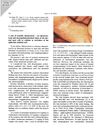
November 1998 in “Journal of The European Academy of Dermatology and Venereology” Prednisone reduces organ mast cell infiltration but does not alter the abnormal appearance of mast cells in systemic mastocytosis.
 1 citations
,
April 2023 in “Biomolecules”
1 citations
,
April 2023 in “Biomolecules” Fermented papaya and mangosteen in hair care products helped prevent hair loss and improve hair thickness.
1 citations
,
September 2025 in “Molecules” The conventional extraction method with 50% ethanol was the most effective for antioxidant activity.
 June 2024 in “The American journal of psychiatry”
 Schizophrenia risk genes may affect early brain development, contributing to the disease.
 5 citations
,
January 2023 in “International Journal of Molecular Sciences”
5 citations
,
January 2023 in “International Journal of Molecular Sciences” Hair follicles could be used to noninvasively monitor our body's internal clock and help identify risks for related diseases.
 November 2023 in “bioRxiv (Cold Spring Harbor Laboratory)”
 Scientists made a mouse that shows how a specific protein in the skin changes and affects hair growth and shape.
39 citations
,
November 2007 in “Experimental dermatology” Human hair follicles contain a complex network of prostanoid receptors that may influence hair growth.
1 citations
,
November 2022 in “Nutrients” Hair glucocorticoid levels and gut bacteria are linked to growth rates in piglets.
 August 2025 in “Annals of Medicine”
 Mycophenolate mofetil may safely help restore skin color in depigmentation conditions.
 122 citations
,
June 2002 in “Genes & Development”
122 citations
,
June 2002 in “Genes & Development” Keratin 17 is crucial for early hair strength and cell survival.
April 2024 in “International journal of molecular sciences” Dermal factors are crucial in regulating melanin production in skin.
137 citations
,
January 2006 in “Frontiers in bioscience” CRH in the skin acts like the body's stress response system, affecting cell behavior and immune activity.
11 citations
,
July 2004 in “Journal of Investigative Dermatology” Certain tyrosine kinases may regulate hair growth and could help develop hair loss treatments.
9 citations
,
September 2013 in “Journal of histochemistry and cytochemistry/The journal of histochemistry and cytochemistry” Matriptase is highly active in hair follicles and sebaceous glands, especially during hair growth phases.
1 citations
,
January 2025 in “Clinical Cosmetic and Investigational Dermatology” Higher levels of certain proteins may increase or decrease rosacea risk.
 June 2025 in “Frontiers in Physiology”
 Prostaglandin F2α may help treat hair loss by promoting hair growth.
158 citations
,
May 2003 in “Journal of Investigative Dermatology” Hair growth is influenced by dynamic changes in hair follicle cells, which could help treat hair loss.
 July 2025 in “Clinical Cosmetic and Investigational Dermatology”
 Major depression disorder increases the risk of alopecia areata, and vice versa.
91 citations
,
May 2023 in “Journal of Cutaneous Medicine and Surgery” Alopecia Areata affects 2% globally, with treatments like essential oils, garlic, and JAK inhibitors showing promise, but more research is needed.
89 citations
,
August 2013 in “PloS one” Androgen receptors are active in many tissues of both male and female mice, not just reproductive organs.
41 citations
,
April 2019 in “PLOS genetics” CD34+ and CD34- melanocyte stem cells have different regenerative abilities.
 16 citations
,
February 2018 in “European Journal of Endocrinology”
16 citations
,
February 2018 in “European Journal of Endocrinology” Diagnosing hyperandrogenism in women is complex and requires accurate testing methods and consideration of SHBG levels.
 December 2024 in “Frontiers in Pediatrics”
 Baricitinib improved platelet counts and alopecia in a 16-year-old with chronic immune thrombocytopenia.
March 2024 in “Current issues in molecular biology” Personalized medicine in dermatology uses molecular biomarkers to improve diagnosis and treatment but needs further advancements for practical use.