 February 2009 in “Journal of The American Academy of Dermatology”
 Fractional infrared technology is effective and safe for treating cervical laxity.
 160 citations
,
December 2016 in “Journal of biophotonics”
160 citations
,
December 2016 in “Journal of biophotonics” Low-level laser therapy, now called photobiomodulation, is recognized for its broad medical applications and scientific backing.
 59 citations
,
March 2020 in “Journal of Biomedical Science”
59 citations
,
March 2020 in “Journal of Biomedical Science” Understanding how hair follicle stem cells work can help find new ways to prevent hair loss and promote hair growth.
 43 citations
,
June 2012 in “Lasers in Medical Science”
43 citations
,
June 2012 in “Lasers in Medical Science” Low-level laser treatment helped rats regrow hair faster after chemotherapy.
 25 citations
,
June 2018 in “Clinical and Experimental Dermatology”
25 citations
,
June 2018 in “Clinical and Experimental Dermatology” Combined microneedling and minoxidil improves hair growth more than minoxidil alone.
 16 citations
,
November 2016 in “Journal of Cosmetic and Laser Therapy”
16 citations
,
November 2016 in “Journal of Cosmetic and Laser Therapy” Laser and light therapies, especially the 308 nm excimer laser, are effective and safe for treating alopecia areata, but more research is needed.
 8 citations
,
April 2024 in “Cureus”
8 citations
,
April 2024 in “Cureus” CO2 lasers are better for severe acne scars, while Er:YAG lasers are gentler with fewer side effects.
 4 citations
,
January 2011 in “Current problems in dermatology”
4 citations
,
January 2011 in “Current problems in dermatology” At-home laser and light devices can safely reduce acne and hair growth when used correctly but are less effective than professional treatments.
 1 citations
,
November 2023 in “Clinical, cosmetic and investigational dermatology”
1 citations
,
November 2023 in “Clinical, cosmetic and investigational dermatology” The long-pulse alexandrite laser is good for removing hair and treating skin problems like spots and veins.
 March 2026 in “Research Square”
 Polymer dot nanozymes and exosomes, with laser stimulation, speed up wound healing.
 May 2019 in “Pakistan Journal of Pharmaceutical Sciences”
 CO2 laser treatment may be more effective for skin rejuvenation.
 March 2019 in “Applied sciences”
 Laser therapy might help regrow hair in alopecia totalis better than steroids alone.
 June 2022 in “International Journal of Biomedicine”
 Erbium YAG laser treatment, combined with conventional therapy, can effectively reduce hair loss and promote hair growth in men with androgenetic alopecia.
 9 citations
,
July 2022 in “Dermatology and Therapy”
9 citations
,
July 2022 in “Dermatology and Therapy” The laser treatment effectively and safely improved keratosis pilaris.
 September 2025 in “Tạp chí Da liễu học Việt Nam”
 Combining oral methylprednisolone with microneedle radiofrequency improves hair growth in alopecia areata but may cause pain and side effects.
 May 2023 in “Current Applied Science and Technology”
 Higher power CO2 laser causes more severe skin burns and damage.
 4 citations
,
October 2024 in “Aesthetic Plastic Surgery”
4 citations
,
October 2024 in “Aesthetic Plastic Surgery” The combined treatment improves skin texture and reduces wrinkles effectively.
 July 2023 in “Journal of Education, Health and Sport”
 Fractional microneedle radiofrequency is a safe and effective skin treatment with minimal serious side effects.
 April 2019 in “Journal of Investigative Dermatology”
 Fractional photothermolysis helps wounds heal with minimal scarring.
 1 citations
,
July 2015 in “European Journal of Dermatology”
1 citations
,
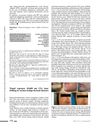
July 2015 in “European Journal of Dermatology” CO₂ laser treatment is fast and effective for some benign skin tumors with minimal side effects.
 20 citations
,
April 2011 in “Dermatologic Surgery”
20 citations
,
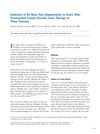
April 2011 in “Dermatologic Surgery” Laser therapy helped new hair grow in scarred skin for three patients.
 256 citations
,
October 2013 in “Nature Communications”
256 citations
,
October 2013 in “Nature Communications” Bioengineered lacrimal glands can restore tear production and protect eyes.
 165 citations
,
October 2013 in “Nature Communications”
165 citations
,
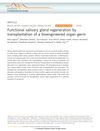
October 2013 in “Nature Communications” Scientists made working salivary glands in mice using bioengineered cells, which could help treat dry mouth.
 112 citations
,
July 1998 in “Journal of Investigative Dermatology”
112 citations
,
July 1998 in “Journal of Investigative Dermatology” Ruby laser pulses best destroy hair follicles during the growth phase and effectiveness varies with laser intensity; melanin is key for targeting, and timing treatments can improve results.
 81 citations
,
July 2011 in “Lasers in Medical Science”
81 citations
,
July 2011 in “Lasers in Medical Science” The Lexington LaserComb helped regrow hair in mice with a condition similar to human hair loss.
 43 citations
,
July 2019 in “Stem Cells International”
43 citations
,
July 2019 in “Stem Cells International” Advancements in creating skin grafts with biomaterials and stem cells are promising, but more research is needed for clinical application.
 31 citations
,
October 2012 in “Archives of ophthalmology”
31 citations
,
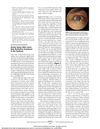
October 2012 in “Archives of ophthalmology” Laser hair reduction near the eyebrows can cause serious eye injuries even with safety measures.
 26 citations
,
April 2011 in “Skin Research and Technology”
26 citations
,
April 2011 in “Skin Research and Technology” In vivo confocal scanning laser microscopy is an effective, non-invasive way to study and measure new hair growth after skin injury in mice.
 22 citations
,
September 2014 in “Veterinary Dermatology”
22 citations
,
September 2014 in “Veterinary Dermatology” Low-level laser therapy seems to help dogs with noninflammatory alopecia grow hair back.
 21 citations
,
December 2016 in “European journal of pharmaceutics and biopharmaceutics”
21 citations
,
December 2016 in “European journal of pharmaceutics and biopharmaceutics” Nano-sized lipid particles increase dexamethasone's skin penetration and create a reservoir in the skin layers.