74 citations
,
April 2017 in “JEADV. Journal of the European Academy of Dermatology and Venereology/Journal of the European Academy of Dermatology and Venereology” Researchers found three patterns of Frontal fibrosing alopecia, with Pattern III having the best prognosis after treatment.
 March 2018 in “Dermatología Argentina”
 The study found that the average age of women diagnosed with Frontal Fibrosing Alopecia in Argentina is higher than in other countries, but their symptoms are similar.
 214 citations
,
March 1993 in “Archives of Dermatology”
214 citations
,
March 1993 in “Archives of Dermatology” Telogen effluvium is a reversible hair loss condition that requires a detailed diagnosis and often resolves on its own.
26 citations
,
October 1999 in “Archives of Dermatology” Curly hair in certain scalp areas can be an early sign of hair loss.
 7 citations
,
August 2018 in “The American Journal of Dermatopathology”
7 citations
,
August 2018 in “The American Journal of Dermatopathology” Researchers found a new early sign of Frontal Fibrosing Alopecia that could help avoid misdiagnosis.
 13 citations
,
December 2010 in “Archives of Dermatology”
13 citations
,
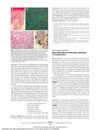
December 2010 in “Archives of Dermatology” Minoxidil use can cause trichostasis spinulosa in long-term hair loss patients.
1 citations
,
October 2019 in “Epileptic disorders” A girl with Pitt-Hopkins syndrome developed curly hair as a rare side effect from the epilepsy drug perampanel.
 14 citations
,
August 2012 in “Clinics in Dermatology”
14 citations
,
August 2012 in “Clinics in Dermatology” In the Middle Ages, European noblewomen intentionally removed forehead hair to be fashionable, showing how beauty standards can affect the perception of hair loss.
 August 2005 in “Microscopy and Microanalysis”
 Polymethylene wax in hair relaxers makes hair smooth and shiny with less damage.
2 citations
,
July 2021 in “Actas dermo-sifiliográficas/Actas dermo-sifiliográficas” Hair shaft disorders are diagnosed through examination and history, with general care and some treatments offering improvement.
 1 citations
,
May 2023 in “JAMA dermatology”
1 citations
,
May 2023 in “JAMA dermatology” Tight hairstyles can cause hair loss, which can be permanent if not treated early.
1 citations
,
March 2006 in “Journal of Cosmetic Dermatology” The woman's forehead lesion was caused by ointment use and resolved with treatment.
 July 2026 in “Preprints.org”
 A cysteamine-derived compound helps hair stay straight in high humidity.
 45 citations
,
December 2006 in “Biopolymers”
45 citations
,
December 2006 in “Biopolymers” Permanent waving weakens hair by altering its protein structure.
 6 citations
,
January 2019 in “Medical Hypotheses”
6 citations
,
January 2019 in “Medical Hypotheses” Frontal Fibrosing Alopecia might be an autoimmune disease.
January 2020 in “Elsevier eBooks” June 2025 in “Journal of Ultrasound in Medicine” High-frequency ultrasound effectively evaluates and diagnoses frontal fibrosing alopecia.
 83 citations
,
May 1999 in “International Journal of Dermatology”
83 citations
,
May 1999 in “International Journal of Dermatology” Hair loss that spreads out can often fix itself or be treated by finding and handling the cause.
 86 citations
,
July 2002 in “Clinical and Experimental Dermatology”
86 citations
,
July 2002 in “Clinical and Experimental Dermatology” FPHL is a common, age-related, genetic hair loss with unclear causes and limited treatment options.
 37 citations
,
January 1997 in “Clinics in Dermatology”
37 citations
,
January 1997 in “Clinics in Dermatology” Hair problems are common and distressing for women, but increasing knowledge of treatments offers hope.
January 2020 in “Revista Dermatológica Centro Uraga” Recognizing trichoscopic features is crucial for diagnosing various hair loss conditions.
 3 citations
,
January 2022 in “Journal of The American Academy of Dermatology”
3 citations
,
January 2022 in “Journal of The American Academy of Dermatology” Using sunscreen and moisturizers may increase the chance of developing Frontal fibrosing alopecia (FFA), but the exact reason why is still unclear.
June 2026 in “British Journal of Dermatology” Hair transplants may trigger frontal fibrosing alopecia.
2 citations
,
June 2010 in “Medicina de Familia SEMERGEN” The girl's "dandruff" was actually harmless hair casts, not a hygiene issue.
 9 citations
,
April 2019 in “Journal of structural biology”
9 citations
,
April 2019 in “Journal of structural biology” Hair's internal fibers are arranged in a pattern that doesn't let much water in, and treatments like oils and heat change how much water hair can absorb.
3 citations
,
May 2024 in “International Journal of Women’s Dermatology” Over-the-counter hair growth products may cause frontal fibrosing alopecia due to allergens.
9 citations
,
September 2014 in “British journal of dermatology/British journal of dermatology, Supplement” Pseudofolliculitis cutis causes painful skin bumps and needs proper shaving and treatments to manage.
 January 2017 in “Springer eBooks”
 Over 40% of postmenopausal women experience hair loss, with treatments aiming to stop further loss and possibly thicken hair.
 21 citations
,
January 1988 in “Critical Care Medicine”
21 citations
,
January 1988 in “Critical Care Medicine” Critically ill patients may experience temporary hair loss after a fever.
 17 citations
,
November 2018 in “Dermatology”
17 citations
,
November 2018 in “Dermatology” Most patients with frontal fibrosing alopecia had facial bumps, with Hispanic/Latino and premenopausal women being more affected, suggesting a more severe condition.