 2 citations
,
January 2023 in “Curēus”
2 citations
,
January 2023 in “Curēus” Low-dose naltrexone may help reduce redness in certain scalp conditions.
 March 2023 in “Journal of clinical review & case reports”
 Frontal Fibrosing Alopecia mainly affects postmenopausal Mexican women, requiring early detection to prevent permanent hair loss.
 64 citations
,
June 2009 in “Journal of The American Academy of Dermatology”
64 citations
,
June 2009 in “Journal of The American Academy of Dermatology” Oral dutasteride can potentially treat frontal fibrosing alopecia in postmenopausal women, with some patients showing disease arrest and hair regrowth.
 37 citations
,
April 2019 in “Journal of The American Academy of Dermatology”
37 citations
,
April 2019 in “Journal of The American Academy of Dermatology” Some treatments like intralesional steroids and 5α-reductase inhibitors are effective for frontal fibrosing alopecia, but more research is needed.
 3 citations
,
November 2020 in “Clinical, Cosmetic and Investigational Dermatology”
3 citations
,
November 2020 in “Clinical, Cosmetic and Investigational Dermatology” Early diagnosis and combination therapy, especially with finasteride and dutasteride, are key to managing Frontal Fibrosing Alopecia effectively.
 2 citations
,
January 2017 in “Przegla̧d dermatologiczny”
2 citations
,
January 2017 in “Przegla̧d dermatologiczny” Two trichoscopic patterns found in hair loss: diffuse fibrotic and androgenetic alopecia, affecting treatment choice and regrowth chances.
 1 citations
,
May 2024 in “Dermatology and Therapy”
1 citations
,
May 2024 in “Dermatology and Therapy” Frontal Fibrosing Alopecia needs better diagnostics and treatments, with dutasteride showing promise.
 17 citations
,
October 2017 in “Journal of Cutaneous Medicine and Surgery”
17 citations
,
October 2017 in “Journal of Cutaneous Medicine and Surgery” No treatment has been proven to effectively stop hair loss or regrow hair in Frontal Fibrosing Alopecia, and more research is needed.
 117 citations
,
March 2013 in “Journal of the European Academy of Dermatology and Venereology”
117 citations
,
March 2013 in “Journal of the European Academy of Dermatology and Venereology” No effective treatment for frontal fibrosing alopecia was found, but oral 5-alpha-reductase inhibitors had the best response; for lichen planopilaris, topical corticosteroids were commonly used but had a high relapse rate.
 86 citations
,
July 2012 in “British journal of dermatology/British journal of dermatology, Supplement”
86 citations
,
July 2012 in “British journal of dermatology/British journal of dermatology, Supplement” There may be a connection between Frontal Fibrosing Alopecia and Lichen Planus Pigmentosus, and more research is needed to confirm this.
 18 citations
,
June 2017 in “Journal of The American Academy of Dermatology”
18 citations
,
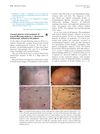
June 2017 in “Journal of The American Academy of Dermatology” Trichoscopy helps diagnose frontal fibrosing alopecia, even with unusual patterns.
 14 citations
,
April 2019 in “International Journal of Women's Health”
14 citations
,
April 2019 in “International Journal of Women's Health” Some treatments can stabilize Frontal Fibrosing Alopecia, but more research is needed to find effective treatments, and hair transplants often fail.
 September 2019 in “The journal of investigative dermatology/Journal of investigative dermatology”
 Eyebrow hair transplants in patients with frontal fibrosing alopecia may look good at first but often lose the new hair after a few years.
 May 2024 in “International Seven Journal of Multidisciplinary”
 More research is needed to better understand and treat Fibrosing Frontal Alopecia.
17 citations
,
October 2024 in “Journal of the American Academy of Dermatology” Brepocitinib effectively reduces inflammation and improves symptoms in cicatricial alopecia with good safety.
Clinical signs don't match inflammation levels in lichen planopilaris and frontal fibrosing alopecia.
16 citations
,
August 2023 in “JAAD Case Reports” JAK inhibitors, like ruxolitinib, may effectively treat frontal fibrosing alopecia.
 April 2019 in “Journal of Investigative Dermatology”
 The research found that certain characteristics like age, sex, race, marital status, and education level can influence whether alopecia patients stick to their hair loss treatment with topical minoxidil.
53 citations
,
June 2019 in “JEADV. Journal of the European Academy of Dermatology and Venereology/Journal of the European Academy of Dermatology and Venereology” Frontal fibrosing alopecia mainly affects postmenopausal women and may be linked to thyroid hormones.
 38 citations
,
January 2019 in “International Journal of Women's Dermatology”
38 citations
,
January 2019 in “International Journal of Women's Dermatology” The document concluded that more research is needed to find the best treatment for Frontal fibrosing alopecia.
April 2025 in “International Journal of Dermatology” Renaming frontal fibrosing alopecia to a syndrome could improve diagnosis and treatment.
 4 citations
,
January 2021 in “Postępy Dermatologii i Alergologii”
4 citations
,
January 2021 in “Postępy Dermatologii i Alergologii” Hydroxychloroquine can help treat certain types of hair loss.
Protein profiling of forehead skin can help distinguish between frontal fibrosing alopecia and androgenetic alopecia.
 23 citations
,
April 2018 in “Journal der Deutschen Dermatologischen Gesellschaft”
23 citations
,
April 2018 in “Journal der Deutschen Dermatologischen Gesellschaft” Permanent hair loss from cicatricial alopecia is treated by reducing inflammation and managing symptoms, but regrowth in scarred areas is unlikely.
 13 citations
,
April 2022 in “Anais brasileiros de dermatologia/Anais Brasileiros de Dermatologia”
13 citations
,
April 2022 in “Anais brasileiros de dermatologia/Anais Brasileiros de Dermatologia” The document concludes that more research is needed to find effective treatments for Lichen planopilaris and Frontal fibrosing alopecia.
 9 citations
,
January 2020 in “Postepy Dermatologii I Alergologii”
9 citations
,
January 2020 in “Postepy Dermatologii I Alergologii” Frontal fibrosing alopecia is a poorly understood condition with increasing cases and unclear treatment effectiveness.
4 citations
,
March 2024 in “Journal of the American Academy of Dermatology” Clinical signs don't match inflammation levels in lichen planopilaris and frontal fibrosing alopecia.
1 citations
,
April 2025 in “Acta Dermato Venereologica” Methotrexate is best for lichen planopilaris, and retinoids are best for frontal fibrosing alopecia, but side effects are common.
 1 citations
,
July 2023 in “Journal of the European Academy of Dermatology and Venereology”
1 citations
,
July 2023 in “Journal of the European Academy of Dermatology and Venereology” Portraits show women's hairlines have moved forward over time, suggesting changes in the occurrence of frontal hair loss.
 January 2025 in “Indian Journal of Dermatology”
 Frontal fibrosing alopecia is a challenging hair loss condition with no known cause or definitive treatment.