 January 2025 in “Revista del Centro Dermatológico Pascua”
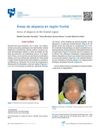
 Early diagnosis and treatment can help manage fibrosing alopecia in older women.
The trichotillometer is a simple, effective tool for diagnosing and assessing female pattern hair loss.
 16 citations
,
January 2017 in “Anais brasileiros de dermatologia/Anais Brasileiros de Dermatologia”
16 citations
,
January 2017 in “Anais brasileiros de dermatologia/Anais Brasileiros de Dermatologia” Managing frontal fibrosing alopecia and lichen planus pigmentosus is challenging due to resistant hair loss and skin discoloration.
 5 citations
,
October 2018 in “Dermatologic therapy”
5 citations
,
October 2018 in “Dermatologic therapy” Recognizing congenital triangular alopecia is crucial to avoid unnecessary treatments.
 1 citations
,
December 2017 in “Anais Brasileiros de Dermatologia”
1 citations
,
December 2017 in “Anais Brasileiros de Dermatologia” Frontal fibrosing alopecia can mimic traction alopecia but has distinct features like facial papules and eyebrow thinning.
 1 citations
,
June 2012 in “Revista Brasileira de Cirurgia Plástica”
1 citations
,
June 2012 in “Revista Brasileira de Cirurgia Plástica” The procedure is effective for reducing the forehead despite potential for visible scars.
 3 citations
,
February 2022 in “Cureus”
3 citations
,
February 2022 in “Cureus” Frontal fibrosing alopecia can sometimes look like syphilitic hair loss.
34 citations
,
June 2020 in “British journal of dermatology/British journal of dermatology, Supplement” Frontal fibrosing alopecia is linked to increased immune system activity and reduced stem cells, suggesting early treatment targeting this pathway might prevent hair follicle damage.
 12 citations
,
October 2016 in “Anais Brasileiros de Dermatologia”
12 citations
,
October 2016 in “Anais Brasileiros de Dermatologia” Frontal Fibrosing Alopecia may be linked to autoimmune diseases like Sjögren's syndrome.
 June 2026 in “Journal of Cutaneous and Aesthetic Surgery”
 Recipient site scalp necrosis in hair transplantation is linked to microvascular injury and regional vascular vulnerability, especially in the frontal and mid-scalp areas.
 8 citations
,
April 2001 in “Dermatologic Surgery”
8 citations
,
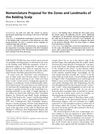
April 2001 in “Dermatologic Surgery” Michael L. Beehner proposed a standardized way to describe balding areas on the scalp to help hair restoration experts communicate better.
4 citations
,
November 2001 in “PubMed” 1 mg/day oral finasteride significantly improves hair growth in men with male pattern baldness.
3 citations
,
November 2021 in “Clinical, Cosmetic and Investigational Dermatology” Autologous cellular micrografts improve hair density and thickness in the short term for androgenetic alopecia.
May 2025 in “Actas Dermo-Sifiliográficas” Botulinum toxin is not effective for treating androgenetic alopecia.
 April 2025 in “Al-Azhar International Medical Journal /Al-Azhar International Medical Journal”
 Minoxidil is the most common treatment for male hair loss, but sildenafil shows promise as an alternative.
 March 2025 in “Cosmetics”
 Combining treatments works best for early hair loss, while transplants are best for severe cases.
 May 2024 in “Cytotherapy”
 Stem cell treatments led to complete hair regrowth in a 40-year-old man.
 April 2024 in “JAMA dermatology”
 Oral minoxidil is as effective as topical minoxidil for male hair loss but has more side effects like excessive hair growth and headaches.
 April 2001 in “Dermatologic Surgery”
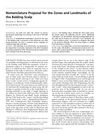
 Michael L. Beehner proposed a standardized naming system for balding scalp areas to help hair restoration surgery.
May 2023 in “Experimental Dermatology” Male pattern hair loss may be linked to the developmental origins of hair follicles.
February 2023 in “Journal of The American Academy of Dermatology” Low-dose oral minoxidil helps increase hair density in traction alopecia.
 18 citations
,
February 2014 in “PubMed”
18 citations
,
February 2014 in “PubMed” Androgenetic alopecia is a common hair loss condition caused by testosterone effects on hair follicles, leading to thinner, shorter, and less pigmented hair, diagnosed using scalp dermoscopy and treated with topical minoxidil, antiandrogen agents, and 5-alpha reductase inhibitors.
October 2023 in “Asian journal of pharmaceutical and clinical research” Standardized data is essential for diagnosing scalp and hair conditions in males.
 August 2007 in “CRC Press eBooks”
 Hair loss is mainly caused by a testosterone byproduct, and hair restoration surgery uses hair from the back and sides of the scalp.
 April 2018 in “Journal of Investigative Dermatology”
 Different types of stem cells in the skin contribute to the variety of melanoma forms.
January 2007 in “Revista del Centro Dermatológico Pascua” Androgenetic alopecia causes hair thinning in women, affecting their quality of life.
 19 citations
,
September 2014 in “British Journal of Dermatology”
19 citations
,
September 2014 in “British Journal of Dermatology” Minoxidil foam 5% effectively treats hair loss in both frontal and vertex scalp regions.
 July 2024 in “Iranian journal of pathology”
 Frontal fibrosing alopecia mainly affects women over 50, causing hair loss and specific skin changes.
 6 citations
,
January 2013 in “Genetics and Molecular Research”
6 citations
,
January 2013 in “Genetics and Molecular Research” Women with hair loss have more androgen receptors in certain hair follicles.
 July 2026 in “Innovations in Pharmaceutical Sciences & Care”
 Combining mesotherapy injections with minoxidil improved hair growth and appearance.