 12 citations
,
June 2006 in “Anais Brasileiros de Dermatologia”
12 citations
,
June 2006 in “Anais Brasileiros de Dermatologia” The study found average numbers for different types of hair follicles in the scalp and observed differences between men and women, suggesting reasons for more common hair shedding in women.
 3 citations
,
January 1994 in “Journal of Society of Cosmetic Chemists of Japan”
3 citations
,
January 1994 in “Journal of Society of Cosmetic Chemists of Japan” Hair grows slower and thinner with age, but a test tonic improved growth in alopecia subjects.
 1 citations
,
January 1985 in “Facial Plastic Surgery”
1 citations
,
January 1985 in “Facial Plastic Surgery” The document recommends careful planning and techniques for successful punch hair grafting in hair restoration.

Millet extract, wheat germ oil, L-cystine, and calcium pantothenate reduced hair loss and improved hair growth in women with diffuse alopecia.
 January 2025 in “Annals of Maxillofacial Surgery”
 PRP therapy is more effective and preferred over minoxidil for hair loss.
November 2021 in “International Journal of Trichology” Trichoscopy is effective for diagnosing and monitoring female pattern hair loss.
 July 2024 in “Journal of Dermatological Treatment”
 Botanical extracts and Minoxidil improved hair condition in a boy with a genetic disorder.
research Hair
May 2024 in “Australasian Journal of Dermatology” Alopecia areata causes significant emotional and social challenges, especially with more hair loss.
 March 2024 in “Journal of clinical medicine”
 Trichoscopy shows hair diameter variability, vellus hairs, and the peripilar sign are key indicators for diagnosing Androgenetic Alopecia.
 2 citations
,
February 2014 in “Journal of the European Academy of Dermatology and Venereology”
2 citations
,
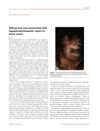
February 2014 in “Journal of the European Academy of Dermatology and Venereology” High levels of prolactin in the blood can be linked to widespread hair loss.
 124 citations
,
August 1990 in “British Journal of Dermatology”
124 citations
,
August 1990 in “British Journal of Dermatology” Diffuse alopecia in women may be related to androgens and iron deficiency, and basic hormone and nutrient screening is useful.
 71 citations
,
May 1991 in “Clinical and Experimental Dermatology”
71 citations
,
May 1991 in “Clinical and Experimental Dermatology” Young men with male pattern baldness lose hair density over time without treatment.
 10 citations
,
December 2005 in “Aktuelle Dermatologie”
10 citations
,
December 2005 in “Aktuelle Dermatologie” Alfatradiol (0.025%) is an effective and safe treatment for hair loss in both women and men.
 66 citations
,
June 2018 in “International Journal of Women's Dermatology”
66 citations
,
June 2018 in “International Journal of Women's Dermatology” No cure for female pattern hair loss, but various effective treatments exist.
 40 citations
,
May 1999 in “Journal of The European Academy of Dermatology and Venereology”
40 citations
,
May 1999 in “Journal of The European Academy of Dermatology and Venereology” Treat hair loss with finasteride, minoxidil, or surgery; consider side effects and severity.
 11 citations
,
September 1997 in “Archives of Dermatology”
11 citations
,
September 1997 in “Archives of Dermatology” Reduced androgens linked to kinky hair disorder and hair loss; 5a-reductase inhibitors may help.
 July 2021 in “Australasian Journal of Dermatology”
 The trichoscopy-assisted hair pull test is useful for diagnosing different types of hair loss.
 October 2018 in “InTech eBooks”
 The most effective treatments for hair loss are minoxidil, finasteride, PRP, and hair transplants, with steroids and immunosuppressants for autoimmune types.
 November 2014 in “British Journal of Dermatology”
 Male hair loss is mainly due to thinner hair, not less hair.
 November 2014 in “British Journal of Dermatology”
 Hair loss is due to thinner hairs, not less hairs; hair diameter indicates balding progression and treatment effectiveness.
 78 citations
,
February 2004 in “British Journal of Dermatology”
78 citations
,
February 2004 in “British Journal of Dermatology” Melatonin helps hair growth in women with hair loss.
 21 citations
,
January 2017 in “Skin Pharmacology and Physiology”
21 citations
,
January 2017 in “Skin Pharmacology and Physiology” Caffeine-based liquid 0.2% is as effective as minoxidil 5% for treating male hair loss.
 August 2005 in “British journal of dermatology/British journal of dermatology, Supplement”
 Melatonin may help treat hair loss and needs more research.
 85 citations
,
February 1989 in “Journal of The American Academy of Dermatology”
85 citations
,
February 1989 in “Journal of The American Academy of Dermatology” Children with loose anagen hair have easily pluckable hair due to root sheath problems, and it might improve without treatment.
 70 citations
,
February 2017 in “Dermatologic Surgery”
70 citations
,
February 2017 in “Dermatologic Surgery” Treatment with plasma rich in growth factors improved hair density and thickness for hair loss patients.
 46 citations
,
May 1986 in “Seminars in Reproductive Medicine”
46 citations
,
May 1986 in “Seminars in Reproductive Medicine” Testosterone and dihydrotestosterone affect hair growth, and new techniques like the folliculogram help study it, but fully understanding hair growth is still complex.
 28 citations
,
January 2021 in “Skin appendage disorders”
28 citations
,
January 2021 in “Skin appendage disorders” COVID-19 may cause early hair loss similar to classic temporary hair loss, with further research needed.
 25 citations
,
July 2017 in “Journal of Stomatology, Oral and Maxillofacial Surgery”
25 citations
,
July 2017 in “Journal of Stomatology, Oral and Maxillofacial Surgery” PRP injections help regrow hair, reduce hair loss, and increase hair thickness, but effects decrease without ongoing treatment.
 16 citations
,
June 2008 in “Springer eBooks”
16 citations
,
June 2008 in “Springer eBooks” Over 50% of women over 50 experience hair loss, with minoxidil being the only proven effective treatment.
 12 citations
,
May 1995 in “Australasian Journal of Dermatology”
12 citations
,
May 1995 in “Australasian Journal of Dermatology” Hair loss in women can be slowed with treatment, but more research needed for better solutions.