 17 citations
,
January 2015 in “International Journal of Trichology”
17 citations
,
January 2015 in “International Journal of Trichology” Frontal fibrosing alopecia may affect nails and could be a type of lichen planus, treatable with certain medications.
 March 2019 in “International Journal of Dermatology”
 Hairline recession makes Asian males look older, especially in mid-young age; proper hairline position can help them look younger.
 4 citations
,
February 2020 in “Journal of Cosmetic Dermatology”
4 citations
,
February 2020 in “Journal of Cosmetic Dermatology” Trichoscopy helps diagnose hairline recession causes in Egyptian women, with androgenetic alopecia being the most common.
 3 citations
,
April 2011 in “Dermatologic Surgery”
3 citations
,
April 2011 in “Dermatologic Surgery” Different women have various natural hairline shapes, and understanding this is important for designing hair transplants.
 5 citations
,
March 2018 in “Dermatologic Surgery”
5 citations
,
March 2018 in “Dermatologic Surgery” The study found that most donor sites are good for hairline restoration in Southeast Asian women, but hair characteristics should match for a natural look, and aging can reduce hair density and diameter.
 18 citations
,
November 2012 in “Australasian Journal of Dermatology”
18 citations
,
November 2012 in “Australasian Journal of Dermatology” A 66-year-old man with a rare case of male frontal fibrosing alopecia did not regrow hair despite treatment.
 November 2002 in “Dermatologic Surgery”
 Scalp reduction gives the most natural result for significant crown baldness, despite potential complications, and a systematic approach to surgical hair restoration results in few complications and high graft survival.
January 2026 in “JPRAS Open” Sleeping position can influence hairline recession in men with certain hair loss patterns.
 58 citations
,
April 2009 in “Dermatologic Surgery”
58 citations
,
April 2009 in “Dermatologic Surgery” Most women have a widow's peak and specific hairline features useful for designing hair restoration surgery.
 193 citations
,
August 2005 in “Journal of Investigative Dermatology Symposium Proceedings”
193 citations
,
August 2005 in “Journal of Investigative Dermatology Symposium Proceedings” Hair loss common in Australia; men affected earlier, more often than Asians; women less concerned.
 8 citations
,
April 2018 in “Facial Plastic Surgery”
8 citations
,
April 2018 in “Facial Plastic Surgery” Men and women have different hairline restoration needs, with natural design being more complex for women, and hairline changes being important for transgender individuals' transitions.
 19 citations
,
January 2015 in “Skin Pharmacology and Physiology”
19 citations
,
January 2015 in “Skin Pharmacology and Physiology” Minoxidil foam effectively promotes hair growth and reduces hair loss in men.
 14 citations
,
January 2006 in “Australasian journal of dermatology”
14 citations
,
January 2006 in “Australasian journal of dermatology” Alopecia areata can look like frontal fibrosing alopecia, making diagnosis hard.
 6 citations
,
January 2017 in “British Journal of Dermatology”
6 citations
,
January 2017 in “British Journal of Dermatology” Frontal fibrosing alopecia is a scarring hair loss condition mainly affecting older women, with no known cause and treatments that may help stabilize hair loss.
 57 citations
,
January 2003 in “Clinical and experimental dermatology”
57 citations
,
January 2003 in “Clinical and experimental dermatology” Postmenopausal frontal fibrosing alopecia is a type of hair loss in postmenopausal women that may stop on its own but has no effective treatment.
 19 citations
,
May 2013 in “Annals of Oncology”
19 citations
,
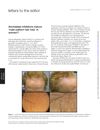
May 2013 in “Annals of Oncology” Aromatase inhibitors cause male pattern hair loss in women.
 9 citations
,
August 2018 in “Journal der Deutschen Dermatologischen Gesellschaft”
9 citations
,
August 2018 in “Journal der Deutschen Dermatologischen Gesellschaft” Most patients with frontal fibrosing alopecia are middle-aged women, often have thyroid disease, and some treatments can help stabilize the condition.
 1 citations
,
April 2017 in “Journal of Investigative Dermatology”
1 citations
,
April 2017 in “Journal of Investigative Dermatology” D-OCT shows increased blood vessel growth in response to tissue damage in Frontal Fibrosing Alopecia and is useful for diagnosis and monitoring.
 11 citations
,
April 2020 in “Journal of Dermatological Treatment”
11 citations
,
April 2020 in “Journal of Dermatological Treatment” Taking oral isotretinoin with creams worked better for treating a type of hair loss than creams alone.
 3 citations
,
September 2016 in “Hair transplant forum international”
3 citations
,
September 2016 in “Hair transplant forum international” Southeast and East Asian men typically have straighter hairlines with less recession and lower hair density, which is important to consider in hair restoration surgery.
 6 citations
,
January 2019 in “Medical Hypotheses”
6 citations
,
January 2019 in “Medical Hypotheses” Frontal Fibrosing Alopecia might be an autoimmune disease.
 9 citations
,
October 2018 in “Journal of international medical research”
9 citations
,
October 2018 in “Journal of international medical research” Frontal fibrosing alopecia is linked to hypothyroidism but doesn't affect quality of life.
 March 2023 in “Journal of clinical review & case reports”
 Frontal Fibrosing Alopecia mainly affects postmenopausal Mexican women, requiring early detection to prevent permanent hair loss.
 23 citations
,
April 2021 in “Journal of Clinical Medicine”
23 citations
,
April 2021 in “Journal of Clinical Medicine” Frontal Fibrosing Alopecia's cause is unclear, affects mainly postmenopausal women, and current treatments focus on stopping hair loss rather than regrowth.
 September 2017 in “Journal of Investigative Dermatology”
 Thermal imaging is a useful non-invasive method to diagnose active inflammation in frontal fibrosing alopecia.
 1 citations
,
September 2021 in “CRC Press eBooks”
1 citations
,
September 2021 in “CRC Press eBooks” Frontal Fibrosing Alopecia is a hair loss condition mainly affecting postmenopausal women, with unclear causes and various clinical patterns.
 November 2023 in “Indian Journal of Dermatology”
 The study found that Frontal Fibrosing Alopecia in North-East India mainly affects middle-aged women and is often associated with lichen planus pigmentosus.
August 2025 in “Cosmetics” Cosmeceuticals like sunscreens may trigger frontal fibrosing alopecia, but more research is needed.
15 citations
,
January 2015 in “Skin Appendage Disorders” Increased scalp sweating in frontal fibrosing alopecia may be linked to local skin inflammation.
December 2025 in “JEADV Clinical Practice” A woman with hair loss condition experienced rare hair color return, suggesting it might help diagnose the condition.