 28 citations
,
August 2014 in “Journal of Assisted Reproduction and Genetics”
28 citations
,
August 2014 in “Journal of Assisted Reproduction and Genetics” The VEGF +405G allele may increase the risk of PCOS in South Indian women.
107 citations
,
June 1997 in “PubMed” EGFR is essential for normal hair development and follicle differentiation.
91 citations
,
June 2011 in “The EMBO Journal” TCF/Lef1 activity is essential for proper skin cell development and renewal.
November 2025 in “Biomolecules” FGF22 helps hair follicle stem cells grow and develop.
5 citations
,
April 2022 in “The journal of investigative dermatology/Journal of investigative dermatology” A new therapy for a skin blistering condition has not been developed yet.
15 citations
,
November 2024 in “Journal of Advanced Research” miR-3606-3p reduces skin fibrosis by blocking key signaling pathways.
 January 2016 in “Journal of Investigative Dermatology”
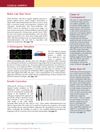
 Some cells may slow melanoma growth, a protein could affect skin pigmentation, a gene-silencing method might treat hair defects, skin bacteria changes likely result from eczema, and a defensin protein could help treat multiple sclerosis.
 January 2025 in “Indian Journal of Dermatology”
 Frontal fibrosing alopecia is a challenging hair loss condition with no known cause or definitive treatment.
 June 2026 in “bioRxiv (Cold Spring Harbor Laboratory)”
 AQB reduces harmful skin changes in systemic sclerosis.
 January 2024 in “Wiadomości Lekarskie”
 The ABI1 gene contributes to prostate cancer progression and treatment resistance.
 May 2017 in “bioRxiv (Cold Spring Harbor Laboratory)”
 The peach gene pCTG134 helps control the interaction between auxin and ethylene hormones during fruit ripening.
 2 citations
,
December 2025 in “Nature Communications”
2 citations
,
December 2025 in “Nature Communications” H2AK119ub helps keep hair follicle stem cells in a resting state, preventing early aging.
41 citations
,
January 1992 in “Journal of medical genetics” The study found that males with KFSD had severe skin and eye symptoms, while female carriers had milder symptoms.
 17 citations
,
December 2010 in “Journal of Investigative Dermatology”
17 citations
,
December 2010 in “Journal of Investigative Dermatology” Flightless I protein affects hair growth, with low levels delaying it and high levels increasing hair length in rodents.
1 citations
,
May 2025 in “Cell Reports Medicine” RSPO1 could help create new diabetes treatments by increasing pancreatic β cells.
FoxA is crucial for pharynx regeneration in planarian flatworms.
 8 citations
,
June 2022 in “Scientific Reports”
8 citations
,
June 2022 in “Scientific Reports” LGR5 is a common marker of hair follicle stem cells in different animals and is important for hair growth and regeneration.
158 citations
,
February 2012 in “Journal of Investigative Dermatology” FGF18 helps keep hair in its resting phase, affecting hair growth cycles.
April 2019 in “The journal of investigative dermatology/Journal of investigative dermatology” Disrupting the Tsc2 gene in certain cells leads to thicker skin, larger hair, and changes in hair growth signaling, which can be partly reversed with specific treatment.
2 citations
,
January 2009 in “Human cell culture”  9 citations
,
November 2019 in “Cell calcium”
9 citations
,
November 2019 in “Cell calcium” The STIM1 R304W mutation in mice leads to bone changes and teeth hair growth.
 9 citations
,
November 2021 in “Frontiers in Cell and Developmental Biology”
9 citations
,
November 2021 in “Frontiers in Cell and Developmental Biology” PBX1 helps reduce aging and cell death in hair follicle stem cells by decreasing DNA damage, not by improving DNA repair.
 105 citations
,
February 1996 in “Journal of biological chemistry/The Journal of biological chemistry”
105 citations
,
February 1996 in “Journal of biological chemistry/The Journal of biological chemistry” The TGM3 gene's promoter region is key for skin and hair cell function and may aid gene therapy.
July 2025 in “Journal of Investigative Dermatology” 8 citations
,
August 2022 in “BMC Veterinary Research” C57BL/6 mice and SD rats have different sweat gland and hair follicle patterns, useful for skin research.

BLTP1 and KIF27 gene mutations can help breed better wool sheep.
39 citations
,
May 2006 in “Molecular Plant-Microbe Interactions” Fusaric acid may help control Orobanche ramosa by activating plant defenses.
 3 citations
,
August 2020 in “International Journal of Molecular Sciences”
3 citations
,
August 2020 in “International Journal of Molecular Sciences” Blocking Rab27a slows hair growth, while blocking Rab27b encourages it.
50 citations
,
September 2009 in “Molecular Genetics and Metabolism” A new gene mutation causes vitamin D resistance and rickets, treatable with calcium therapy.
38 citations
,
May 1971 in “Clinical genetics” A specific metabolite, not a receptor protein, triggers the production of certain kidney enzymes, but this process is disrupted in mice with a mutation causing testicular feminization.