Antimalarial agents are effective for LPP, and intralesional steroids are effective for FFA.
 8 citations
,
October 2018 in “Journal of The American Academy of Dermatology”
8 citations
,
October 2018 in “Journal of The American Academy of Dermatology” The review suggests there's no agreed treatment for Frontal Fibrosing Alopecia, but hydroxychloroquine and 5a-reductase inhibitors are most effective. New treatments like platelet-rich plasma and LED light could help if standard treatments fail.
56 citations
,
July 2020 in “Journal of Dermatological Treatment” Azelaic acid is safe and effective for treating rosacea and other skin issues.
 August 2010 in “The Journal of Dermatology”
 The document concludes that low-dose acne treatment is most suitable for moderate acne, with high patient satisfaction and low relapse rates.
July 2025 in “Canadian Family Physician” Use topical treatments for mild acne and oral treatments for moderate to severe acne, avoiding antibiotic monotherapy.
7 citations
,
September 1962 in “Oral Surgery Oral Medicine Oral Pathology” Triamcinolone acetonide effectively treated black hairy tongue.
51 citations
,
May 2008 in “Mycoses” Terbinafine HCl nail solutions with DDAIP HCl are more effective than current treatments for nail infections.
 2 citations
,
July 2021 in “Annales De Dermatologie Et De Venereologie”
2 citations
,
July 2021 in “Annales De Dermatologie Et De Venereologie” Vulvar acne, also known as "vulvar Fordyce adenitis", is a condition causing painful bumps on the labia, and it's not always effectively treated with common acne medications, but isotretinoin has shown promise.
 14 citations
,
April 2019 in “International Journal of Women's Health”
14 citations
,
April 2019 in “International Journal of Women's Health” Some treatments can stabilize Frontal Fibrosing Alopecia, but more research is needed to find effective treatments, and hair transplants often fail.
 55 citations
,
May 2014 in “Journal of feline medicine and surgery”
55 citations
,
May 2014 in “Journal of feline medicine and surgery” Combining systemic and topical treatments, guided by weekly fungal cultures, effectively treats cat ringworm.
1 citations
,
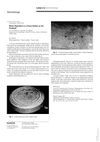
July 2024 in “Australasian Journal of Ultrasound in Medicine” Cutaneous ultrasound is a useful tool for diagnosing and assessing inflammation in tinea capitis.
10 citations
,
March 2008 in “Journal of Zoo and Wildlife Medicine” A special clotrimazole varnish cured a siamang's persistent skin infection after 3 months.
 19 citations
,
September 2002 in “Acta dermato-venereologica”
19 citations
,
September 2002 in “Acta dermato-venereologica” Topical tacrolimus did not regrow hair in alopecia universalis patients.
2 citations
,
February 2025 in “Journal of the European Academy of Dermatology and Venereology” JAK inhibitors may effectively treat lichen planopilaris and frontal fibrosing alopecia with minimal side effects.
 April 2023 in “Dermatology practical & conceptual”
 Tacrolimus solution is effective and well-tolerated for treating inflammatory scalp conditions.
September 2015 in “Pediatrics in review” The 7-month-old boy has a persistent rash that doesn't improve with typical skin treatments.
 August 2021 in “Annals of Agricultural and Environmental Medicine”
 The article concludes that understanding Frontal Fibrosing Alopecia (FFA) is crucial for effective treatment, which includes medication like 5α-reductase inhibitors and hydroxychloroquine.
 2 citations
,
January 1998 in “Dermatology”
2 citations
,
January 1998 in “Dermatology” Stopping forehead irritation and using hydrocortisone helped a man's skin, Martinique has lower melanoma rates, a man had an allergy to a specific antifungal, another had unexplained cysts, certain drugs can cause skin reactions without always being interrelated, a link between Fanconi anemia and a skin condition was suggested, high levels of a certain protein may play a role in a type of psoriasis, and there's a need to study the connection between scalp pain and hair loss.
April 2022 in “Gugje bogeon mi-yong haghoeji” 1% citral is more effective for treating comedone acne than salicylic acid.
5 citations
,
April 1992 in “Pediatrics in review” Children can get skin fungal infections, which are easy to diagnose and treat.
February 2023 in “Reactions Weekly” 9 citations
,
January 2009 in “Journal of the European Academy of Dermatology and Venereology” The cream effectively reduces excessive hair growth and related skin issues without side effects.
 9 citations
,
January 2005 in “Pediatric Dermatology”
9 citations
,
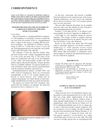
January 2005 in “Pediatric Dermatology” Fox Fordyce disease can occur in prepubertal girls and may be underdiagnosed.
1 citations
,
November 1988 in “Veterinary Record” Folic acid helped a calf regrow hair lost due to deficiency.
October 2024 in “Journal of Cutaneous Pathology” Compound follicles in folliculitis decalvans mainly have active hair follicles.
 25 citations
,
December 2017 in “Facial Plastic Surgery”
25 citations
,
December 2017 in “Facial Plastic Surgery” Combination therapy with steroids and pimecrolimus improved or stabilized hair loss in most patients with Frontal Fibrosing Alopecia, who also had a high rate of hypothyroidism.
 49 citations
,
March 2017 in “Journal of the American Academy of Dermatology”
49 citations
,
March 2017 in “Journal of the American Academy of Dermatology” Tofacitinib caused significant hair regrowth in adolescents with alopecia universalis who didn't respond to other treatments.
March 2023 in “Reactions Weekly”  November 2022 in “Research Square (Research Square)”
 Using facial sunscreen and moisturizer may increase the risk of frontal fibrosing alopecia.
 August 2018 in “Journal of The American Academy of Dermatology”
 A 5-year-old girl with a rare skin disorder was effectively treated with skin creams instead of oral medication.