Surgeons should evaluate new technologies critically, offer a range of services including non-surgical options, and be aware of marketing influences to meet patient needs and maintain a successful practice.
Proper planning of the recipient area is crucial for natural-looking hair transplants.
August 2017 in “Otolaryngology” Using a buffering solution and applying Platelet-Rich Plasma improves hair graft survival in hair restoration surgery.
 January 2017 in “Journal of Plastic Reconstructive and Aesthetic Surgery”
 The authors suggest using scalp hair follicles for beard reconstruction to improve results and reduce surgery time and patient discomfort.
 January 2017 in “SM dermatology journal”
 Eyebrow hair transplants have high patient satisfaction and require surgeons to have artistic and technical skills.

Modern hair restoration techniques can effectively treat hair loss and provide natural-looking results.
 January 2016 in “Springer eBooks”
 The document concludes that there are various causes and treatments for hair loss, with hair transplantation being a notable option.
 January 2016 in “Georg Thieme Verlag eBooks”
 Hair transplantation in East Asians needs special techniques to ensure natural results and prevent complications due to their unique hair and scalp characteristics.
 March 2015 in “Aesthetic Surgery Journal”
 The book is a valuable, comprehensive guide on hair transplantation, recommended for surgeons and students, with minor areas for improvement.
 January 2015 in “Plastic and Reconstructive Surgery”
 The book is a valuable guide for hair restoration surgeons.
 August 2014 in “Annals of Plastic Surgery”
 The book is a detailed guide on hair restoration, useful for both new and experienced surgeons.
 August 2014 in “Plastic Surgery”
 Dr. WP Unger suggested that traditional strip harvesting might be better for hair transplants than Follicular Unit Extraction due to higher hair survival rates and less risk of a patchy look at the donor site.
 January 2014 in “Journal of the turkish academy of dermatology”
 Hair transplantation is safe and effective for permanent hair loss due to scarring, with high patient satisfaction.
 November 2013 in “Dermatologic Clinics”
 The document summarizes the latest trends and advancements in cosmetic dermatology.
 May 2013 in “Hair transplant forum international”
 A man had hiccups for several days after a hair transplant, likely due to medication or nerve irritation, but they stopped on their own.
 May 2013 in “Trends in Urology & Men's Health”
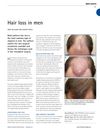
 Male-pattern hair loss is normal, often involves hormone effects on hair follicles, and can be treated with medication or surgery, but new treatments are being researched.
 January 2013 in “프로그램북(구 초록집)”
 Hair restoration surgery is improving, with less painful techniques like FUE and robotic systems, but they can be costly and require training.
 January 2010 in “Elsevier eBooks”
 Hair transplantation is a treatment for hair loss mainly caused by genetics, with various techniques and potential complications, and results visible after 8-12 months.
Hair transplantation can effectively restore hair in stabilized hair loss cases.
 July 2008 in “Expert Review of Dermatology”
 Proper planning for hair transplants is crucial for natural results, with careful patient selection and strategic graft placement being key factors.
January 2006 in “Journal of North Sichuan Medical College” Hair transplant techniques improved, but cell therapy showed promise despite challenges.
 March 2021 in “Dermatological reviews”
 Hair transplant works well, but needs more research for better results.
January 2019 in “Clinical pediatric dermatology” Scalp micropigmentation is a non-surgical alternative to hair transplants that mimics hair follicles and requires no downtime.
 August 2014 in “Aesthetic Surgery Journal”
 Book covers all aspects of hair restoration surgery, highly recommended.
 May 2022 in “Hair transplant forum international”
 The document concludes that following a specific 15-step process can improve the success of hair transplant extractions.
 January 2017 in “Journal of Investigative Dermatology Symposium Proceedings”
 The 2015 Hair Research Congress concluded that stem cells, maraviroc, and simvastatin could potentially treat Alopecia Areata, topical minoxidil, finasteride, and steroids could treat Frontal Fibrosing Alopecia, and PTGDR2 antagonists could also treat alopecia. They also found that low-level light therapy could help with hair loss, a robotic device could assist in hair extraction, and nutrition could aid hair growth. They suggested that Alopecia Areata is an inflammatory disorder, not a single disease, indicating a need for personalized treatments.
 September 2024 in “Journal of Cosmetic Dermatology”
 Robotic hair transplants are easier and quicker to learn than traditional methods.
17 citations
,
January 2018 in “Journal of cutaneous and aesthetic surgery” The article discusses debates on hair transplant techniques, safe donor areas, PRP use, and practitioner qualifications in hair restoration.
 November 2025 in “Indian Journal of Plastic Surgery”
 The FUET method improves hair transplant precision and outcomes by combining FUT and FUE techniques under a surgeon's control.
9 citations
,
March 2018 in “Plastic and Aesthetic Research” Direct hair implantation with special pens improves hair transplant precision and effectiveness.