 4 citations
,
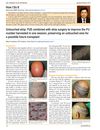
January 2012 in “International Society of Hair Restoration Surgery”
4 citations
,
January 2012 in “International Society of Hair Restoration Surgery” Combining FUE and strip surgery increases hair harvested in one session and keeps options open for future transplants.
 14 citations
,
May 2019 in “Journal of Maxillofacial and Oral Surgery”
14 citations
,
May 2019 in “Journal of Maxillofacial and Oral Surgery” FUE hair transplant is a promising method with benefits like less scarring, but requires a skilled surgeon and can damage hair follicles.
 9 citations
,
January 2020 in “IEEE Access”
9 citations
,
January 2020 in “IEEE Access” The KEBOT system is a highly accurate AI tool for analyzing hair transplants.
4 citations
,
January 2019 in “Archives of clinical and medical case reports” Combining FUE hair transplantation with PRP improves hair density and patient satisfaction in scarring alopecia.
1 citations
,
November 2018 FUE is a minimally invasive hair transplant method using various donor sites.
 May 2026 in “SAIMSARA Journal”
 Success in hair transplants depends on personalized techniques and careful planning.
March 2026 in “Journal of Surgical Case Reports” Smoking and long surgeries can cause severe complications like tissue death after hair transplants.
 April 2025 in “Journal of Cosmetic and Laser Therapy”
 QR678 Neo® improves hair transplant success and hair regrowth.
 November 2024 in “IP Indian Journal of Clinical and Experimental Dermatology”
 More grafts and longer surgeries increase the risk of hair loss in the donor area after FUE hair transplants.
 June 2022 in “Al-Azhar International Medical Journal /Al-Azhar International Medical Journal”
 Adding nano fat to hair transplants improves results for scar-related hair loss.
 January 2022 in “Surgical & Cosmetic Dermatology”
 Fat grafting before FUE hair transplantation effectively treats scalp scars.
 May 2017 in “InTech eBooks”
 Follicular Unit Extraction (FUE) is a popular hair transplant method with minimal scarring that can transplant many grafts quickly and improve appearance and psychological well-being.
Robotic FUE hair transplants are better for men because they are precise, safe, and look natural.
 May 2024 in “International Society of Hair Restoration Surgery”
 FUE hair transplantation effectively improves hair density and satisfaction in women with androgenetic alopecia.

FUE hair transplantation is a minimally invasive method for treating hair loss.
April 2019 in “kufa Journal for Nursing sciences” FUE hair transplant is effective and safe for treating hair loss.
17 citations
,
January 2014 in “Dermatology Online Journal” The Artas robotic system is effective and reliable for hair transplants.
June 2026 in “Actas Dermo-Sifiliográficas” Long-hair FUE allows hair transplants without shaving but is more complex and time-consuming.
 December 2023 in “International Journal of Science and Research (IJSR)”
 FUE is a safe and effective method for beard and moustache transplants.

The document is a guide for practitioners to successfully perform hair transplants using the FUE method.
January 2024 in “Surgical & Cosmetic Dermatology” FUE technique can effectively create natural-looking eyebrow transplants.
November 2025 in “Turkish Journal of Dermatology” FUE technique offers higher satisfaction and broader use for women needing hair transplants.
 13 citations
,
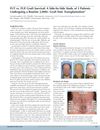
September 2018 in “Hair transplant forum international”
13 citations
,
September 2018 in “Hair transplant forum international” FUE and FUT hair transplants have similar success rates, with FUE slightly better.
2 citations
,
March 2023 in “Aesthetic Plastic Surgery” The new hair transplant method reduces scarring and wastage by combining two techniques.
 1 citations
,
March 2019 in “Hair transplant forum international”
1 citations
,
March 2019 in “Hair transplant forum international” Both hair transplant methods, FUE and FUT, show similar stress responses and growth abilities in hair cells.
September 2023 in “Zenodo (CERN European Organization for Nuclear Research)”  December 2025 in “Journal of Maxillofacial and Oral Surgery”
 Sapphire blades, double-forceps, and personalized procedures improve hair transplant success and satisfaction.
 1 citations
,
April 2020 in “Journal of Cosmetic Dermatology”
1 citations
,
April 2020 in “Journal of Cosmetic Dermatology” FUE megasession hair transplantation effectively treats large area hair loss with less discomfort and shorter operation time.
December 2010 in “SciVee” May 2023 in “Zenodo (CERN European Organization for Nuclear Research)”