 October 2022 in “Gadua Journal of Pure and Allied Science”
 Terbinafine is the most effective treatment for tinea capitis, a scalp infection often confused with other conditions.
 March 2023 in “JAAD case reports”
 Botulinum toxin A may be an effective alternative treatment for the scalp disorder folliculitis decalvans.
 6 citations
,
August 1996 in “The Journal of Clinical Endocrinology and Metabolism”
6 citations
,
August 1996 in “The Journal of Clinical Endocrinology and Metabolism” MK-386 and finasteride together effectively reduce DHT levels, potentially treating acne and male pattern baldness.
March 2026 in “Journal of the American Academy of Dermatology” The treatment significantly improved lymphocytic cicatricial alopecia symptoms in most patients.
5 citations
,
July 2024 in “Archives of Dermatological Research”  October 2025 in “Pediatric Dermatology”
 A 16-year-old boy's facial condition improved with doxycycline, suggesting an immune response to hair follicle damage.
December 2016 in “Anales del sistema sanitario de Navarra” Frontal fibrosing alopecia is increasing, especially in postmenopausal women, and treatment with finasteride can improve it.
 12 citations
,
March 2010 in “Revista iberoamericana de micología”
12 citations
,
March 2010 in “Revista iberoamericana de micología” The cat died from a hard-to-treat fungal infection despite various treatments.
January 2010 in “Laboratory animal science” The capsules effectively reduced micro-acne in rabbit ears.
5 citations
,
October 2001 in “British Journal of Ophthalmology” Sulphadiazine can cause crystals to form in urine.
14 citations
,
July 2004 in “Australasian Journal of Dermatology” Follicular mycosis fungoides can look like a B-cell lymphoma, making diagnosis difficult.
 28 citations
,
March 2010 in “Clinics in dermatology”
28 citations
,
March 2010 in “Clinics in dermatology” Doctors have known about fungal skin infections for a long time, but only made major progress in understanding and treating them since the mid-1800s.
 May 2026 in “Indian Journal of Dermatology”
 Tofacitinib shows promise for treating alopecia areata with significant hair regrowth and mild side effects.
84 citations
,
January 1987 in “The Pediatric Infectious Disease Journal” Griseofulvin is more effective than ketoconazole for treating tinea capitis in children.
65 citations
,
April 1999 in “Journal of Parasitology” The topical treatment WR 279,396 effectively healed cutaneous leishmaniasis in mice without relapse.
 February 2024 in “Current Bioactive Compounds”
 The new gel formulation effectively delivers Finasteride for hair growth treatment without skin irritation.
2 citations
,
December 2004 in “PubMed” 17 citations
,
November 1982 in “Annals of Internal Medicine” 5-aminosalicylic acid enemas may cause hair loss.
 61 citations
,
January 2019 in “American Journal of Clinical Dermatology”
61 citations
,
January 2019 in “American Journal of Clinical Dermatology” The cause of Frontal Fibrosing Alopecia is unclear, diagnosis involves clinical evaluation and various treatments exist, but their effectiveness is uncertain.
 December 2023 in “bioRxiv (Cold Spring Harbor Laboratory)”
 The research suggests Dutasteride and Solifenacin may be effective against the bacterium causing listeriosis.
August 2025 in “Journal of Industrial and Engineering Chemistry” A new topical finasteride formulation effectively promotes hair growth with fewer side effects.
June 2026 in “British Journal of Dermatology” Photodynamic therapy for actinic keratosis can cause permanent hair loss.
22 citations
,
March 2003 in “Steroids” PM-9 and finasteride effectively inhibit the enzyme that converts testosterone to DHT.
 September 2023 in “Journal of Cosmetic Dermatology”
 Finasteride was more effective than hydroxychloroquine in treating frontal fibrosing alopecia.
2 citations
,
June 2021 in “Sultan Qaboos University medical journal” Familial frontal fibrosing alopecia is rare, mostly affects women, and often occurs between sisters or mother-daughter pairs.
April 2018 in “The journal of investigative dermatology/Journal of investigative dermatology” A high-fat diet worsens neutrophilic folliculitis by increasing certain chemokines.
 9 citations
,
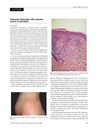
July 2002 in “Journal of the European Academy of Dermatology and Venereology”
9 citations
,
July 2002 in “Journal of the European Academy of Dermatology and Venereology” The document concludes that fexofenadine reduces inflammation in chronic hives, cholestyramine helps half of pregnant women with itchy rashes, and relaxing incisions are a good alternative in facial surgery for the elderly.
 April 2017 in “The journal of investigative dermatology/Journal of investigative dermatology”
 Most patients experienced mild to moderate skin problems during a trial for a desmoid tumor treatment.
 March 2020 in “Section 5: Patient safety and quality assurance”
 Tofacitinib and baricitinib had an acceptable level of side effects in rheumatoid arthritis patients.
 March 2014 in “Journal of The American Academy of Dermatology”
 Terbinafine 250 mg is the most effective treatment for fungal nail infections.