4 citations
,
May 2018 in “European journal of dermatology/EJD. European journal of dermatology” Fumaric acid esters might help treat alopecia areata, but more research is needed.
7 citations
,
March 2022 in “International Journal of Molecular Sciences” FGF21 can help reduce skin inflammation caused by C. acnes.
 5 citations
,
January 2021 in “Inflammatory Bowel Diseases”
5 citations
,
January 2021 in “Inflammatory Bowel Diseases” Tofacitinib improved ulcerative colitis, skin ulcers, and hair loss in a patient who didn't respond well to other treatments.
February 2026 in “Indian Dermatology Online Journal” Tofacitinib significantly improved skin and hair conditions without side effects.
9 citations
,
February 2002 in “International Journal of Dermatology” The patient's symptoms improved with treatment but recurred when the steroid dose was reduced, requiring ongoing therapy.
 8 citations
,
December 2008 in “Journal of The American Academy of Dermatology”
8 citations
,
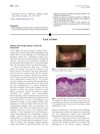
December 2008 in “Journal of The American Academy of Dermatology” Finasteride can cause a unique skin reaction on the penile shaft.
 5 citations
,
July 2019 in “Photodiagnosis and photodynamic therapy”
5 citations
,
July 2019 in “Photodiagnosis and photodynamic therapy” Using tacalcitol ointment with photodynamic therapy may effectively treat follicular mucinosis with scalp hair loss.
June 2025 in “British Journal of Dermatology” Tofacitinib is more effective than methotrexate for treating moderate-to-severe alopecia areata.
Combining excimer lamp and tofacitinib gel may help treat hair loss in children.
September 2023 in “Journal of the American Academy of Dermatology” Oral difelikefalin significantly reduces itch in notalgia paresthetica.
 49 citations
,
May 2018 in “Journal of the American Academy of Dermatology”
49 citations
,
May 2018 in “Journal of the American Academy of Dermatology” Applying 2% tofacitinib cream helped some children with severe hair loss grow back hair.
 March 2024 in “Current materials science”
 Fisetin, found in fruits and vegetables, may help treat various health conditions like inflammation, diabetes, heart issues, cancer, and hair loss.
 January 2018 in “Springer eBooks”
 Terbinafine is the most effective medicine for fungal nail infections, especially for diabetics and those with weak immune systems.
5 citations
,
December 2023 in “Clinical Case Reports” Adalimumab effectively stabilized severe folliculitis decalvans, preventing further hair loss and inflammation.
 20 citations
,
January 2016 in “Intractable & Rare Diseases Research”
20 citations
,
January 2016 in “Intractable & Rare Diseases Research” Combination therapy, especially with finasteride, is effective for treating frontal fibrosing alopecia.
Antifungal treatment reduced asthma exacerbations and corticosteroid use but its overall benefit is unclear.
 November 2023 in “Deleted Journal”
 Combining laser and corticosteroid is not better than corticosteroid alone for treating frontal fibrosing alopecia.
 5 citations
,
August 2018 in “PubMed”
5 citations
,
August 2018 in “PubMed” An 8-year-old with severe hair loss regrew all hair after six months of tofacitinib treatment.
51 citations
,
May 2008 in “Mycoses” Terbinafine HCl nail solutions with DDAIP HCl are more effective than current treatments for nail infections.
 65 citations
,
February 2009 in “The journal of investigative dermatology/Journal of investigative dermatology”
65 citations
,
February 2009 in “The journal of investigative dermatology/Journal of investigative dermatology” Anti-acne medications may work by reducing the activity of a protein involved in acne development.
 1 citations
,
May 2024 in “Dermatology and Therapy”
1 citations
,
May 2024 in “Dermatology and Therapy” Frontal Fibrosing Alopecia needs better diagnostics and treatments, with dutasteride showing promise.
18 citations
,
June 2004 in “Mycoses” Two patients with a rare scalp fungus in Poland were successfully treated with griseofulvin and ciclopirox.
Griseofulvin is still the best treatment for tinea capitis.
4 citations
,
December 2020 Methotrexate may help stabilize frontal fibrosing alopecia.
 1 citations
,
May 2015 in “Journal of The American Academy of Dermatology”
1 citations
,
May 2015 in “Journal of The American Academy of Dermatology” Oral clindamycin and rifampicin are the most effective treatments for Folliculitis decalvans.
 March 2023 in “Journal of the American Academy of Dermatology”
 Treating underlying conditions and using antifungals effectively resolve Pityrosporum folliculitis in immunocompromised people.
July 2022 in “Journal of Cosmetic Dermatology” Isotretinoin with tacrolimus may be more effective short-term for treating frontal fibrosing alopecia than finasteride with tacrolimus.
March 2014 in “Oxford University Press eBooks” Fludalanine failed as an effective oral antibiotic despite efforts.
 November 2023 in “International Journal of Pharmaceutics”
 The new delivery system improves treatment for hair loss by enhancing drug absorption and effectiveness.
 15 citations
,
November 2020 in “Pharmaceutics”
15 citations
,
November 2020 in “Pharmaceutics” Tofacitinib nanoparticles can safely and effectively treat alopecia areata by targeting hair follicles.