 April 2012 in “Journal of the American Academy of Dermatology”
 Clofazimine successfully treated a man's ashy dermatosis, clearing his skin lesions.
July 2026 in “Dermatology Reports” The gel reduced folliculitis symptoms and was safe and well-received.
 September 2022 in “XXXIX Congresso Brasileiro de Reumatologia”
 Tofacitinib may effectively treat skin symptoms in difficult cases of dermatomyositis.
 69 citations
,
August 2008 in “Journal of The European Academy of Dermatology and Venereology”
69 citations
,
August 2008 in “Journal of The European Academy of Dermatology and Venereology” Oral dutasteride and topical pimecrolimus can safely and effectively treat Frontal Fibrosing Alopecia, leading to significant hair regrowth.
 11 citations
,
August 2007 in “Bioorganic & Medicinal Chemistry Letters”
11 citations
,
August 2007 in “Bioorganic & Medicinal Chemistry Letters” Scientists made a chemical (compound 4e) that can be applied on skin to reduce oil production, which can help with acne, but it might cause skin sensitivity to light.
22 citations
,
December 2020 in “mSphere” A fungal enzyme was used to make compounds more soluble, aiding drug discovery and crop protection.
9 citations
,
January 2004 in “Journal of dermatological treatment” Rifampicin effectively treated tufted hair folliculitis with no relapse after one year.
July 2025 in “International Journal of Biological Macromolecules” Fucoidan may help regrow hair and reduce inflammation in hair loss.
14 citations
,
January 1991 in “PubMed” Oxiconazole nitrate cream is effective and well-tolerated for treating various fungal skin infections.
 41 citations
,
December 2015 in “JAMA Dermatology”
41 citations
,
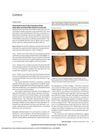
December 2015 in “JAMA Dermatology” Tofacitinib citrate improved nail dystrophy and pain in patients with alopecia universalis without causing side effects.
46 citations
,
January 2002 in “Paediatric drugs” Tinea capitis, a scalp fungal infection in children, is best treated with newer antifungal agents for shorter periods.
22 citations
,
June 1991 in “Clinical Therapeutics” Oxiconazole nitrate cream is effective and safe for treating various fungal skin infections.
 21 citations
,
July 2014 in “Antimicrobial Agents and Chemotherapy”
21 citations
,
July 2014 in “Antimicrobial Agents and Chemotherapy” Finasteride effectively prevents biofilm formation and treats preformed biofilms, but requires high doses.
 109 citations
,
March 2011 in “Journal of controlled release”
109 citations
,
March 2011 in “Journal of controlled release” New micelle solutions greatly improve skin delivery of certain antifungal drugs.
 July 2025 in “Journal of the European Academy of Dermatology and Venereology”
 A new treatment plan helps manage folliculitis decalvans effectively.
June 2026 in “Frontiers in Medicine” The excimer laser is a promising and safe treatment for frontal fibrosing alopecia.
 36 citations
,
December 2017 in “Journal of the American Academy of Dermatology”
36 citations
,
December 2017 in “Journal of the American Academy of Dermatology” Most patients with frontal fibrosing alopecia stabilized with treatment, especially younger ones, using intralesional corticosteroids and tacrolimus.
 March 2025 in “Drug Development Research”
 The new gel combining minoxidil and tofacitinib effectively treats alopecia areata by promoting hair growth and reducing inflammation.
5 citations
,
January 2020 in “Veterinary Dermatology” Enilconazole and lime sulfur work well for whole body treatment, while other products need frequent application for effective antifungal action.
18 citations
,
December 2005 in “Journal of Medicinal Chemistry” A brominated phenoxy compound effectively inhibits a human enzyme and shows potential for clinical use.
January 2012 in “Chinese Clinical Oncology” Disodium folinate can safely and effectively replace calcium folinate in colorectal cancer treatment.
1 citations
,
January 2024 in “Pharmaceuticals” A new carrier improves skin delivery of tofacitinib for treating inflammatory skin diseases.
 March 2021 in “Jurnal Biomedik : JBM”
 Systemic antifungals are effective in treating skin fungal infections.
 14 citations
,
April 2019 in “Saudi pharmaceutical journal”
14 citations
,
April 2019 in “Saudi pharmaceutical journal” Microparticles help caffeic acid stay longer in hair follicles for better treatment of folliculitis.
June 2025 in “British Journal of Dermatology” Tofacitinib was more effective than methotrexate for treating alopecia areata.
13 citations
,
May 2010 in “Dermatologic Clinics” Recurrent furunculosis can be managed with antibiotics, decolonization, and decontamination, with potential future use of vaccines and bacteriophage therapy.
December 2022 in “Scientific Reports” Compound 4 is a promising treatment for hair loss with low toxicity.
 December 2024 in “PubMed”
 Cyclosporine effectively treated a woman's stubborn skin condition.
 November 2024 in “PubMed”
 Terbinafine can cause skin reactions when exposed to sunlight, so sun exposure should be avoided during treatment.
January 2010 in “Journal of Yangzhou University” Sulfated fucans promote hair growth in mice by speeding up the growth phase and delaying the rest phase.