 37 citations
,
October 2017 in “Clinical and Experimental Dermatology”
37 citations
,
October 2017 in “Clinical and Experimental Dermatology” Oral tofacitinib shows promise in treating atopic dermatitis and alopecia areata, but only slight improvement in vitiligo.
 13 citations
,
January 2017 in “Chemical & Pharmaceutical Bulletin”
13 citations
,
January 2017 in “Chemical & Pharmaceutical Bulletin” Certain compounds, especially those with a propionic substituent, could potentially be new treatments for hair loss and similar disorders.
 January 2025 in “Journal of Crohn s and Colitis”
 Tofacitinib is effective and safe for elderly patients with ulcerative colitis.
 July 2025 in “Journal of the Pakistan Medical Association”
 Combining TCA with 5-FU is more effective and safer for treating keloids than TCA alone.
March 2023 in “Reactions Weekly” 11 citations
,
January 1999 in “Dermatology” 4 citations
,
April 2019 in “DOAJ (DOAJ: Directory of Open Access Journals)” 5-α-reductase inhibitors, intralesional steroids, and hydroxychloroquine are the most effective treatments for frontal fibrosing alopecia.
May 2026 in “Cell Reports Medicine” FR-1 reduces skin scarring and promotes healing without harmful effects.
 3 citations
,
March 2005 in “Journal of the American Academy of Dermatology”
3 citations
,
March 2005 in “Journal of the American Academy of Dermatology” The lotion and shampoo effectively treated scalp seborrheic dermatitis.
 April 2017 in “Journal of Investigative Dermatology”
 Fisetin may help treat psoriasis and reduce skin inflammation.
May 2026 in “Inovasi Kesehatan Global” A 7-year-old boy's fungal infection was treated successfully, but some hair loss was permanent.
 2 citations
,
November 2007 in “Journal of Investigative Dermatology”
2 citations
,
November 2007 in “Journal of Investigative Dermatology” Fluocinolone acetonide slows down hair follicle stem cells but speeds up skin cell growth in mice.
 121 citations
,
January 1991 in “Acta dermato-venereologica”
121 citations
,
January 1991 in “Acta dermato-venereologica” Terbinafine quickly builds up in skin and hair, staying effective for over 3 weeks.
October 2025 in “Australasian Journal of Dermatology” Combination therapies may be more effective for treating Folliculitis Decalvans than antibiotics alone.
1 citations
,
December 2012 in “Journal of dermatological science” Combining ficlatuzumab and gefitinib can cause severe scarring hair loss.
 1 citations
,
May 2017 in “Journal of the American Academy of Dermatology”
1 citations
,
May 2017 in “Journal of the American Academy of Dermatology” Oral tofacitinib may be an effective and tolerable treatment for some people with severe alopecia areata.
 May 2025 in “Frontiers in Pharmacology”
 Targeting gut microbiome and metabolome may help treat autoimmune skin diseases like alopecia areata.
 11 citations
,
February 2021 in “Journal of Cosmetic Dermatology”
11 citations
,
February 2021 in “Journal of Cosmetic Dermatology” Oral tofacitinib helped regrow hair in over half of the patients with severe alopecia, but relapses and side effects were common.
26 citations
,
May 2023 in “Journal of Nanobiotechnology” The hydrogel speeds up healing of normal and MRSA-infected wounds.
 3 citations
,
January 2024 in “Cureus”
3 citations
,
January 2024 in “Cureus” Folliculitis decalvans was successfully treated with doxycycline and ozenoxacin.
 2 citations
,
January 2019 in “Indian Dermatology Online Journal”
2 citations
,
January 2019 in “Indian Dermatology Online Journal” The congress concluded that misuse of antifungal drugs in South Asia has led to widespread treatment failure, and new approaches and regional cooperation are needed.
13 citations
,
January 2018 in “International Journal of Trichology” Intralesional triamcinolone injections can effectively stop frontal fibrosing alopecia with minimal side effects.
3 citations
,
August 2023 in “Journal of Cutaneous Medicine and Surgery” Topical Flutamide 1% gel effectively and safely reduces acne.
1 citations
,
November 2009 in “Nurse prescribing” Oral griseofulvin for 6-12 weeks cures most scalp fungal infections in children.
6 citations
,
May 2013 in “Journal of Clinical Oncology” Combining Ficlatuzumab and Gefitinib can cause severe hair loss.
 48 citations
,
November 2017 in “Journal of the American Academy of Dermatology”
48 citations
,
November 2017 in “Journal of the American Academy of Dermatology” Tofacitinib 2% ointment helped hair regrow in 3 out of 10 patients with alopecia areata, but caused side effects like scalp irritation and raised cholesterol in some.
 March 2005 in “Journal of The American Academy of Dermatology”
 The two lotions used day and night may be a good alternative to minoxidil for hair loss treatment with better cosmetic effects and tolerance.
May 2025 in “OPAL (Open@LaTrobe) (La Trobe University)” Targeting specific metabolic and ionic pathways may improve alopecia areata treatment.
 1 citations
,
July 2019 in “Medicina Clínica (English Edition)”
1 citations
,
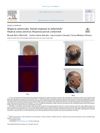
July 2019 in “Medicina Clínica (English Edition)” Tofacitinib partially improved hair regrowth in a patient with severe hair loss.
January 2025 in “Archives of Dermatological Research”