1 citations
,
December 2016 in “Revista română de medicină de laborator” The NIPAL4 mutation c.527C>A is common in Romanian patients with autosomal recessive congenital ichthyosis.
 39 citations
,
January 2019 in “Cells”
39 citations
,
January 2019 in “Cells” Gene therapy has potential as a future treatment for Hutchinson-Gilford progeria syndrome.
32 citations
,
November 2020 in “UNC Libraries” A point mutation in the androgen receptor gene causes complete androgen insensitivity.
 June 2023 in “International Journal of Research in Medical Sciences”
 Two brothers from Bangladesh were diagnosed with X-linked adrenoleukodystrophy, showing neurological and adrenal symptoms.
 November 2025 in “Clinical Cosmetic and Investigational Dermatology”
 Immune cells and plasma proteins are linked to hair loss, suggesting new treatment options.
 September 2023 in “Frontiers in cell and developmental biology”
 Vav2 changes how hair follicle stem cells' genes work as they age, which might improve regeneration but also raise cancer risk.
 4 citations
,
August 2017 in “Journal of Cosmetic Dermatology”
4 citations
,
August 2017 in “Journal of Cosmetic Dermatology” Finger length ratio may indicate male hair loss.
June 2023 in “Zenodo (CERN European Organization for Nuclear Research)” Hutchinson-Gilford Progeria Syndrome causes rapid aging due to a gene mutation, with no cure yet, but research may lead to better treatments.
6 citations
,
March 2007 in “BioTechniques” PCR genotyping in cre-loxP mice can be inaccurate due to unintended gene deletions in non-target tissues.
152 citations
,
April 2002 in “The journal of investigative dermatology/Journal of investigative dermatology” A new mutation in the Connexin 26 gene was found in a patient with KID syndrome, expanding the known disorders linked to this gene.
47 citations
,
April 2000 in “Experimental Dermatology” A new gene mutation causes a rare type of hair loss.
 37 citations
,
January 2009 in “Sexual Development”
37 citations
,
January 2009 in “Sexual Development” Fadrozole and Finasteride change frog sex ratios and cause intersex animals with altered gene expressions.
 January 2023 in “International Journal of Zoological Investigations”
 Certain genetic variations in IL-16 may increase the risk of alopecia areata.
9 citations
,
May 2014 in “Clinical Cosmetic and Investigational Dermatology” Using tazarotene with GliSODin improves facial skin more than tazarotene alone.
 205 citations
,
March 2012 in “Science Translational Medicine”
205 citations
,
March 2012 in “Science Translational Medicine” PGD2 stops hair growth and is higher in bald men with AGA.
1 citations
,
October 2025 in “Journal of Allergy and Clinical Immunology” A JAK1 variant causes hair loss, skin issues, and thyroid disease, but treatment with a specific inhibitor can help.
December 2025 in “Anatomy (International Journal of Experimental and Clinical Anatomy)” Palmaris longus muscle absence is uncommon and not linked to gender, hand side, or finger ratio.
Using regulatory T cells and Rapamycin together improves chronic graft-versus-host disease treatment outcomes in mice.
38 citations
,
September 1997 in “The journal of investigative dermatology/Journal of investigative dermatology” A mutation in mice causes hair loss and skin issues due to a defect in a gene affecting cell adhesion.
56 citations
,
April 2019 in “The Plant Journal” Cyclic nucleotide-gated channels are crucial for proper root hair growth and calcium balance in plants.
31 citations
,
November 1991 in “Brain Research” Aδ-LTMRs have complex synapses with glycine, while Aβ-LTMRs have simpler ones.
2 citations
,
January 2014 in “Photochemical & photobiological sciences” Grasp protein helps maintain skin health after UVB exposure.
 February 2010 in “Journal of The American Academy of Dermatology”
 The document concludes that using gadolinium-based contrast agents during MRI can be linked to Nephrogenic Systemic Fibrosis in patients with severe kidney disease.
January 2025 in “SSRN Electronic Journal” 2 citations
,
August 2016 in “Journal of Investigative Dermatology” September 2023 in “Journal of the American Academy of Dermatology” Dermatologists should consider alpha-gal syndrome in patients with unexplained chronic skin issues.
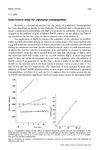 19 citations
,
November 1971 in “Clinica Chimica Acta”
19 citations
,
November 1971 in “Clinica Chimica Acta” The document concludes that measuring γ-glutamyl transpeptidase activity is more accurate with a higher substrate concentration and using diluted acetic acid to stop the reaction.
Certain genes may influence hair loss differently in men and women.
 January 2024 in “Biological & pharmaceutical bulletin”
 Panax ginseng extract helps human hair grow by encouraging growth phase transition and cell proliferation while reducing certain protein expression.
12 citations
,
December 2013 in “Immunological Investigations” The SNP rs6457452 is linked to a higher risk of alopecia areata in Koreans.