July 2022 in “Journal of Investigative Dermatology” Arg1+ macrophages may play a role in Alopecia Areata, offering new treatment targets.
 February 2026 in “SHILAP Revista de lepidopterología”
 Engineered exosomes with EGF and FGF improve hair growth in mice with hair loss.
 30 citations
,
October 2021 in “Scientific Reports”
30 citations
,
October 2021 in “Scientific Reports” Inhibiting glycogen metabolism can promote hair growth.
Glypican-1 is important for hair follicle blood vessel growth and could be a target for treating hair loss.
5 citations
,
August 2012 in “Archives of Dermatology” The immune system can cause permanent skin and hair whitening by attacking pigment cells.
17 citations
,
September 2016 in “Stem cells translational medicine” Using bioreactors, scientists can grow more skin stem cells that keep their ability to regenerate skin and hair.
 3 citations
,
November 2022 in “Frontiers in molecular biosciences”
3 citations
,
November 2022 in “Frontiers in molecular biosciences” Plasmalogens activate a channel in cells that may stimulate hair growth.
45 citations
,
November 2022 in “Acta Biomaterialia” A new 3-D co-culture system improves hair growth potential in cells for hair regeneration.
January 2018 in “Belarusian State Pedagogical University repository (Belarusian State Pedagogical University)” Adipose-derived stem cells can be used to create cells that help grow new hair.
33 citations
,
March 2018 in “Trends in cell biology” Metabolism plays a key role in determining stem cell fate.
18 citations
,
May 2011 in “Journal of Investigative Dermatology” Wnt signaling affects the development and growth of Langerhans cells in mice.
 109 citations
,
July 1993 in “The journal of investigative dermatology/Journal of investigative dermatology”
109 citations
,
July 1993 in “The journal of investigative dermatology/Journal of investigative dermatology” Hair color production is closely linked to the active growth phase of hair in mice and may also influence hair growth itself.
 1 citations
,
September 2024 in “Frontiers in Cell and Developmental Biology”
1 citations
,
September 2024 in “Frontiers in Cell and Developmental Biology” Pigs are a good model for studying human hair growth and disorders.
 14 citations
,
January 2005 in “Pediatric Dermatology”
14 citations
,
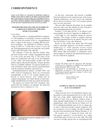
January 2005 in “Pediatric Dermatology” UVA1-light therapy successfully treated a child's skin condition, mycosis fungoides.
 8 citations
,
September 2002 in “Genes to Cells”
8 citations
,
September 2002 in “Genes to Cells” Killing specific cells in hair follicles can lead to hair growth problems in mice.
16 citations
,
August 2000 in “British Journal of Dermatology” Removing the liver tumor improved the patient's skin condition and hair growth.
January 2013 in “Seoul National University Open Repository (Seoul National University)” Epidermal growth factor helps hair regrow after chemotherapy.
 April 2016 in “Journal of Investigative Dermatology”
 Double-stranded RNA activates a pathway that causes a skin protein to be expressed in the wrong place.
 41 citations
,
June 2010 in “Journal of Investigative Dermatology”
41 citations
,
June 2010 in “Journal of Investigative Dermatology” New cells are added to the hair's dermal papilla during the active growth phase.
 September 2024 in “Journal of Cosmetic Dermatology”
 Combining CGF and microneedling with betamethasone effectively treats resistant alopecia areata.
 July 2026 in “Frontiers in Pediatrics”
 An 11-year-old girl with severe hair loss regrew and repigmented her hair after JAK inhibitor treatment.
 12 citations
,
August 2018 in “Journal of Dermatological Science”
12 citations
,
August 2018 in “Journal of Dermatological Science” Scientists made stem cells that can grow hair by adding three specific factors to them.
 5 citations
,
January 2012 in “Journal of Tissue Science & Engineering”
5 citations
,
January 2012 in “Journal of Tissue Science & Engineering” Collagen membranes improve melanocyte growth for treating skin depigmentation.
Boosting certain cell signals can prevent hair loss from chemotherapy and radiation.
July 2026 in “Journal of Investigative Dermatology” 64 citations
,
October 1998 in “Acta dermato-venereologica” Grape seed proanthocyanidins can promote hair growth.
5 citations
,
January 2001 in “Journal of dermatological science” The G(S) alpha subunit gene may help start hair follicle growth in newborn mice.
10 citations
,
December 1990 in “Archives of Dermatological Research” May 2025 in “BMC Genomics” Circ 0020938 slows down hair growth in cashmere goats.
November 2022 in “Skin Appendage Disorders” PT-20 did not significantly improve gray hair repigmentation.