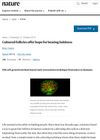
Growing hair follicles from cultured cells could potentially treat baldness, but more research is needed.
 2 citations
,
December 2022 in “PNAS nexus”
2 citations
,
December 2022 in “PNAS nexus” SCD-153 shows promise as an effective topical treatment for alopecia areata.
 6 citations
,
August 2019 in “PLOS ONE”
6 citations
,
August 2019 in “PLOS ONE” Gambogic Amide helps maintain hair color and promotes hair growth.
April 2026 in “Future Medicinal Chemistry” PROTACs have become a breakthrough in medicine by effectively targeting and degrading specific proteins to treat diseases.
 June 2026 in “American Journal of Dermatopathology”
 Regulatory T cells play a key role in different types of hair loss.
 19 citations
,
December 2015 in “Journal of Materials Chemistry B”
19 citations
,
December 2015 in “Journal of Materials Chemistry B” Scientists have created a method to deliver specific cells that can regenerate hair follicles, potentially offering a new treatment for hair loss.
1 citations
,
August 2022 in “Pigment Cell & Melanoma Research” New mouse models help study melanocytic cells for melanoma research.
January 2021 in “Faculty Opinions – Post-Publication Peer Review of the Biomedical Literature” GDNF helps grow hair and heal skin wounds by acting on specific stem cells.
Biorregulatory therapy significantly improved the dog's health, reversing previous issues and eliminating the need for ongoing medication.
 3 citations
,
April 2019 in “The journal of investigative dermatology/Journal of investigative dermatology”
3 citations
,
April 2019 in “The journal of investigative dermatology/Journal of investigative dermatology” ILC1 cells contribute to hair loss in alopecia areata.
 April 2023 in “The journal of investigative dermatology/Journal of investigative dermatology”
 The study suggests that a specific type of immune cell, memory-like NK cells, may increase during active hair loss in Alopecia areata.
January 2026 in “Current Issues in Molecular Biology” miR-5110 affects alpaca pigmentation by altering specific gene expressions.
 April 2019 in “Journal of Investigative Dermatology”
 Lichen planopilaris involves disrupted fat metabolism, increased scarring, and mast cell activity.
July 2024 in “Journal of Investigative Dermatology” Squaric acid dibutylester helps hair growth by increasing certain immune cells in the skin.
 7 citations
,
March 2021 in “Journal of animal science/Journal of animal science ... and ASAS reference compendium”
7 citations
,
March 2021 in “Journal of animal science/Journal of animal science ... and ASAS reference compendium” Blocking prolactin increases the activity of secondary hair follicles in cashmere goats.
 May 2020 in “Research Square (Research Square)”
 Human stem cells can turn into functional eye cells that might help treat retinal diseases.
Melatonin shortens the hair growth cycle by increasing PDGFA gene expression.
6 citations
,
July 1994 in “Journal of Dermatological Science” Introducing the rat OTC gene normalized hair growth in SPF-ASH mice.
2 citations
,
January 2014 in “Journal of Cytology & Histology” Rapamycin and anti-EGFR antibody reduce LAM/TSC cell migration and blood vessel growth in the uterus.
11 citations
,
September 2021 in “American Journal of Medical Genetics Part A” Four new cases of Bachmann-Bupp syndrome suggest potential for targeted treatment.
 175 citations
,
December 2014 in “PLoS Biology”
175 citations
,
December 2014 in “PLoS Biology” Macrophages help activate hair follicle stem cells, affecting hair growth and skin repair.
7 citations
,
May 1995 in “The journal of investigative dermatology/Journal of investigative dermatology”  2 citations
,
May 2018 in “Expert opinion on orphan drugs”
2 citations
,
May 2018 in “Expert opinion on orphan drugs” Newborn screening and gene therapy are expected to improve outcomes for Omenn syndrome patients.
3 citations
,
January 2021 in “FEBS open bio” Camellia japonica extract may improve scalp health and promote hair growth.
ILC1-like cells may contribute to hair loss in alopecia areata.
 24 citations
,
September 2008 in “Clinical and experimental dermatology”
24 citations
,
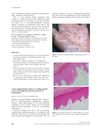
September 2008 in “Clinical and experimental dermatology” Repigmentation in vitiligo may come from melanocyte stem cells in the skin.
 4 citations
,
April 2024 in “Cellular and Molecular Biology”
4 citations
,
April 2024 in “Cellular and Molecular Biology” Injectable platelet-rich fibrin is better than platelet-rich plasma for promoting hair growth.
July 2022 in “Journal of Investigative Dermatology” Arg1+ macrophages may play a role in Alopecia Areata, offering new treatment targets.
 February 2026 in “SHILAP Revista de lepidopterología”
 Engineered exosomes with EGF and FGF improve hair growth in mice with hair loss.