 September 2024 in “Health Sciences”
 Androgenic alopecia can be treated with minoxidil, finasteride, and hormonal therapy.
 February 2024 in “Scientific reports”
 Four genes are potential markers for hair loss condition alopecia areata, linked to a specific type of cell death.
 6 citations
,
October 2020 in “Endocrine journal”
6 citations
,
October 2020 in “Endocrine journal” A patient with Werner syndrome showed a range of aging-like symptoms and metabolic issues, underscoring the need for early detection and treatment.
18 citations
,
January 1992 in “Dermatology” A 4-year-old girl has a rare condition causing hairlessness and skin bumps, but normal teeth and sweating.
 7 citations
,
June 2022 in “Czech Journal of Animal Science”
7 citations
,
June 2022 in “Czech Journal of Animal Science” Certain circular RNAs help cashmere goats grow more hair.
Metabolic processes and key genes like FGF5, FGFR1, and RRAS significantly affect hair follicle growth in Inner Mongolian Cashmere goats.
13 citations
,
July 2004 in “Pediatric dermatology” A new severe form of monilethrix syndrome includes hair loss, scalp itching, cataracts, and distinct facial features.
May 2019 in “Journal of Evidence Based Medicine and Healthcare” Alopecia Areata is often linked to other health issues like allergies, thyroid problems, and diabetes.
 October 2021 in “Dermatology practical & conceptual”
 A Saudi girl was diagnosed with Loose Anagen Hair Syndrome, a rare condition causing easy hair loss without scarring.
139 citations
,
September 2001 in “The journal of investigative dermatology/Journal of investigative dermatology” Mutations in the Vitamin D receptor gene can cause hair loss similar to mutations in the Hairless gene.

A new AIRE gene mutation causes rare autoimmune symptoms in a Lebanese boy.
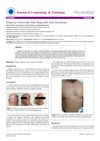 January 2017 in “Journal of cosmetology & trichology”
 A man with severe hair loss regrew hair after hormone treatment.
January 2022 in “JAAD case reports” Granulomatous alopecia areata is a rare but real form of hair loss.
 53 citations
,
October 1984 in “Endocrine reviews”
53 citations
,
October 1984 in “Endocrine reviews” Excessive hair growth in women often has no known cause and is not linked to race or other hormonal symptoms.
2 citations
,
August 1999 in “PubMed” 20 citations
,
June 1985 in “Toxicologic Pathology” Some steroid-induced health issues in rodents improved after stopping treatment, but hair loss and eye problems did not.
February 2023 in “Journal of The American Academy of Dermatology” Transgender patients on masculinizing hormones have higher hair loss rates than cisgender women.
December 2024 in “Benha Journal of Applied Sciences” Early intervention and continuous treatment are key for managing hereditary hair loss effectively.
 2 citations
,
October 2015 in “Obstetrics and gynaecology cases - reviews”
2 citations
,
October 2015 in “Obstetrics and gynaecology cases - reviews” Removing both ovaries may better treat increased male hormone levels and related symptoms in postmenopausal women when hormone therapy doesn't work.
1 citations
,
May 2007 in “PubMed” Early diagnosis and treatment of haemochromatosis are crucial for reversing organ damage and improving fertility.
 39 citations
,
April 2001 in “Journal of The American Academy of Dermatology”
39 citations
,
April 2001 in “Journal of The American Academy of Dermatology” Latanoprost, a glaucoma medication, caused excessive eyelid hair growth in many patients.
Alopecia areata causes hair loss and needs personalized care to manage its emotional and social effects.
 21 citations
,
February 2012 in “Journal of the European Academy of Dermatology and Venereology”
21 citations
,
February 2012 in “Journal of the European Academy of Dermatology and Venereology” Late-onset alopecia areata in Taiwanese patients is more common in women, usually starts at age 57, often involves less than 10% hair loss, and may have a minimal link to thyroid issues.
 18 citations
,
January 2019 in “Animal Biotechnology”
18 citations
,
January 2019 in “Animal Biotechnology” A newly found RNA in Cashmere goats may play a role in hair growth and development.
 January 2022 in “Figshare”
 Melatonin affects when and how goat hair follicle genes turn on and off during growth cycles.
3 citations
,
February 2002 in “The American journal of psychiatry” Stopping birth control pills may have triggered a manic episode in a woman with HAIR-AN syndrome.

Men with androgenetic alopecia may have higher triglycerides, suggesting a link to lipid metabolism.
6 citations
,
October 2011 in “ISRN Ophthalmology” Higher testosterone and dehydroepiandrosterone sulphate levels may help diagnose meibomian gland dysfunction.
January 2015 in “Hair transplant forum international” Female pattern hair loss is different from male pattern hair loss and has unclear genetic causes.
October 2022 in “The Journal of Clinical Pharmacology” Men with early-onset hair loss have less cardiometabolic benefit from bromocriptine.