11 citations
,
April 1982 in “Journal of the Forensic Science Society” Enzyme presence in hair sheath cells decreases over time, affecting forensic analysis.
October 2024 in “Journal of the Endocrine Society” Recognizing macro-TSH is crucial to avoid unnecessary treatments.
 15 citations
,
October 2006 in “Journal of the American Academy of Dermatology”
15 citations
,
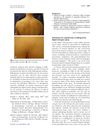
October 2006 in “Journal of the American Academy of Dermatology” Liquid nitrogen spray caused a temporary, harmless swelling under the skin in an elderly woman.
4 citations
,
January 2021 in “Current Research in Physiology” μ-Crystallin in mouse muscle increases fat metabolism.
9 citations
,
October 2025 in “MedComm” PROTACs offer new ways to treat hard-to-target diseases, with promising drugs for cancer in advanced trials.
11 citations
,
January 2016 in “Molecular and Cellular Neuroscience” Chronic ethanol increases certain brain receptor levels, influenced by steroids and protein changes.
Ethanol changes GABAA receptor α4 subunit levels through phosphorylation and neuroactive steroids.
13 citations
,
August 2018 in “Clinical Chemistry” Total testosterone levels can help diagnose androgen-producing tumors and hyperandrogenism in women.
1 citations
,
June 2015 in “Journal of anatomy” A compound named ZCZ90 can increase muscle spindle firing, potentially helping treat muscle spasms and hypertension.
 10 citations
,
June 2018 in “Journal of visualized experiments”
10 citations
,
June 2018 in “Journal of visualized experiments” The document concludes that the technique allows for the detection of LDH activity in various tissues, showing where cells are actively metabolizing glucose.
9 citations
,
April 2022 in “Cell Communication and Signaling” High S100A4 levels worsen glioblastoma by promoting blood vessel growth.
 1 citations
,
June 2021 in “bioRxiv (Cold Spring Harbor Laboratory)”
1 citations
,
June 2021 in “bioRxiv (Cold Spring Harbor Laboratory)” GTL1 is needed to control root hair growth and prevent problems when there are too many nutrients.
October 2025 in “Dermatology Practical & Conceptual” Ultraviolet techniques help identify Grover’s Disease, which may be underdiagnosed in young people and females.
January 1990 in “대한피부과학회지” Peanut agglutinin staining helps differentiate malignant melanoma from nevocellular nevus.
16 citations
,
May 1995 in “Biochemical and Biophysical Research Communications” Both enzyme forms can sulfate minoxidil.
Keratinocytes can reduce the survival of certain melanoma cells, suggesting new therapy paths.
The microenvironment affects the behavior and survival of melanocytes with the GNAQ oncogene in melanoma.
 18 citations
,
January 2008 in “Journal of The American Academy of Dermatology”
18 citations
,
January 2008 in “Journal of The American Academy of Dermatology” Certain proteins and their receptors are more active during the growth phase of human hair and could be targeted to treat hair disorders.
 3 citations
,
May 2025 in “Cell Death and Disease”
3 citations
,
May 2025 in “Cell Death and Disease” Targeting METTL1 may help slow papillary thyroid cancer growth and spread.
 March 2026 in “Dermatopathology”
 A rare skin tumor with extra hair growth was found and safely removed from a 27-year-old woman.
March 2026 in “Journal of Enzyme Inhibition and Medicinal Chemistry” PROTACs show promise in cancer treatment by effectively degrading specific harmful proteins.
June 1998 in “Pathophysiology” Selenium is crucial for health, but both deficiency and excess can cause problems.
 20 citations
,
January 2013 in “Evidence-based complementary and alternative medicine”
20 citations
,
January 2013 in “Evidence-based complementary and alternative medicine” TGPC plus CGT is effective and safe for treating severe alopecia areata in children.
 January 1999 in “American Journal of Medical Genetics Part A”
 The report expanded knowledge of MBTPS1-related disorders by identifying new symptoms.
 11 citations
,
February 2021 in “Journal of Cosmetic Dermatology”
11 citations
,
February 2021 in “Journal of Cosmetic Dermatology” Oral tofacitinib helped regrow hair in over half of the patients with severe alopecia, but relapses and side effects were common.
 9 citations
,
January 2013
9 citations
,
January 2013 Alopecia areata patients have lower zinc, copper, and selenium levels than healthy people.
 7 citations
,
August 2008 in “Cases Journal”
7 citations
,
August 2008 in “Cases Journal” A hair tightly wrapped around a toddler's toe caused severe crying and was treated by surgery.
 6 citations
,
March 2016 in “Scandinavian journal of immunology”
6 citations
,
March 2016 in “Scandinavian journal of immunology” Janus kinase inhibitors show promise in treating alopecia areata but need more safety research.
 3 citations
,
May 2018 in “European Journal of Dermatology”
3 citations
,
May 2018 in “European Journal of Dermatology” Photodynamic therapy may not work for erythroplasia of Queyrat and could lead to invasive squamous cell carcinoma.
 3 citations
,
March 2017 in “Regulatory toxicology and pharmacology”
3 citations
,
March 2017 in “Regulatory toxicology and pharmacology” Aleglitazar and its major metabolite are safe enough to proceed to Phase 3 clinical trials.