 7 citations
,
June 2015 in “European Journal of Plastic Surgery”
7 citations
,
June 2015 in “European Journal of Plastic Surgery” PRGF treatment safely and effectively helps hair loss.
 3 citations
,
June 2017 in “Environmental health perspectives”
3 citations
,
June 2017 in “Environmental health perspectives” Exposure to certain glycol ethers during pregnancy may be linked to lower verbal comprehension in children.
 4 citations
,
March 2002 in “International journal of toxicology”
4 citations
,
March 2002 in “International journal of toxicology” LAAM caused developmental toxicity in tolerant rats without causing birth defects.
 10 citations
,
January 2004 in “Dermatologic Surgery”
10 citations
,
January 2004 in “Dermatologic Surgery” Storing hair follicles in special buffers with added protective substances can increase hair growth and reduce cell death.
November 2025 in “Advanced Science” The treatment using a special hydrogel shows promise for promoting hair growth.
 2 citations
,
February 2022 in “Biology”
2 citations
,
February 2022 in “Biology” Blue laser light reduces energy in mouse skin cells and creates harmful oxygen compounds, possibly harming the cells.
 September 2019 in “Research Square (Research Square)”
 Micro-CT helps identify suitable areas for surgical procedures based on blood vessel distribution in hypospadias-affected rats.
6 citations
,
November 2020 in “Annals of Plastic Surgery” Adipose-derived stem cells and platelet-rich plasma together can protect skin and hair from radiotherapy damage.
January 2008 in “Linchuang pifuke zazhi” Betamethasone activates and increases the growth of certain skin cells from hair follicles.
January 2026 in “Regenerative Biomaterials” Advanced hydrogels can autonomously deliver drugs to treat radiation skin injuries, but challenges remain for clinical use.
 March 2003 in “BJOG: An International Journal of Obstetrics and Gynaecology”
 Mothers and newborns with dental fillings have higher mercury in their hair, but adding fillings during pregnancy doesn't raise mercury levels further.
 33 citations
,
December 2004 in “Differentiation”
33 citations
,
December 2004 in “Differentiation” Mouse amnion can turn into skin and hair follicles with help from certain cells and factors.
1 citations
,
August 2021 in “Journal of Investigative Dermatology” ASLAN004 was safe and well-tolerated, supporting further development for treating certain diseases.
 January 2015 in “Przegla̧d dermatologiczny”
 308 nm excimer light therapy may help hair regrowth in alopecia areata with delayed results and no serious side effects.
April 1987 in “Pediatric Research”  1 citations
,
October 2025 in “Iranian journal of pharmaceutical research”
1 citations
,
October 2025 in “Iranian journal of pharmaceutical research” Geranyl acetate can protect skin cells from damage and inflammation caused by para-phenylenediamine.
January 2023 in “Toxicological Research” June 2026 in “EJC Paediatric Oncology” High-dose thiotepa and twice-daily treatments increase the risk of permanent hair loss in children receiving craniospinal irradiation.
9 citations
,
April 2009 in “Dermatologic surgery” Infrared light might help treat stubborn alopecia areata.
7 citations
,
April 2020 in “Applied Sciences” Ultrasound helps create gels that speed up tissue formation.
 May 2018 in “Hair transplant forum international”
 Plasma as a graft holding solution improves hair transplant results by increasing graft survival and promoting hair growth.
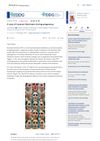 October 2023 in “Journal der Deutschen Dermatologischen Gesellschaft”
 Pregnancy can trigger severe rosacea, which may be treated with antibiotics and steroids, but there's no clear treatment guideline.
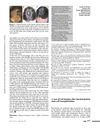 May 2018 in “European Journal of Dermatology”
 Adjusting the medication tacrolimus resolved a boy's red nail beds after a stem cell transplant.
99 citations
,
January 2002 in “Plastic & Reconstructive Surgery” Fetal rat wounds heal without scars at 16.5 days gestation.
 48 citations
,
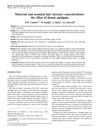
March 2003 in “BJOG: An International Journal of Obstetrics and Gynaecology”
48 citations
,
March 2003 in “BJOG: An International Journal of Obstetrics and Gynaecology” Mothers and newborns with dental fillings had higher mercury in their hair, but getting fillings during pregnancy didn't raise mercury levels further.
 9 citations
,
October 2014 in “Clinical and Experimental Dermatology”
9 citations
,
October 2014 in “Clinical and Experimental Dermatology” Temporary hair loss can occur after brain AVM treatment but usually regrows in 8 weeks.
 24 citations
,
July 1994 in “Molecular Endocrinology”
24 citations
,
July 1994 in “Molecular Endocrinology” Researchers found an RNA transcript that might help control a growth factor linked to tumor development.
 April 2018 in “Journal of Investigative Dermatology”
 High amphiregulin in the skin is a bad sign for acute graft-versus-host disease.
June 2025 in “Archives of Dermatological Research” Light-treated cell medium boosts hair growth in mice.