January 2022 in “International journal of dermatology and venereology” A Chinese man with KID syndrome had a new mutation in the GJB2 gene.
May 2009 in “OPAL (Open@LaTrobe) (La Trobe University)” Suppressing the HGPS mutation may improve symptoms and suggest reversibility.
January 2026 in “Animal Genetics” A genetic variant in the GJB6 gene likely caused the Labrador's paw pad condition.
 June 2026 in “Frontiers in Oncology”
 GSDMA deficiency slows skin cancer growth.
 April 2017 in “Journal of Investigative Dermatology”
 A boy with Oculodentodigital syndrome had a unique GJA1 gene mutation causing his symptoms.
January 2021 in “Faculty Opinions – Post-Publication Peer Review of the Biomedical Literature” GDNF helps grow hair and heal skin wounds by acting on specific stem cells.
 17 citations
,
April 2023 in “Aging”
17 citations
,
April 2023 in “Aging” CNGA3, GLUD1, and SIRT1 are promising targets for treating aging and glioblastoma.
6 citations
,
December 2023 in “Journal of Molecular Cell Biology” Removing Gsdma1/2/3 genes reduces skin cell overgrowth by blocking a specific cell pathway.
11 citations
,
September 2021 in “American Journal of Medical Genetics Part A” Four new cases of Bachmann-Bupp syndrome suggest potential for targeted treatment.
3 citations
,
September 2013 in “Journal of the American Academy of Dermatology” A new genetic mutation linked to Hutchinson-Gilford progeria syndrome was found in China.
 7 citations
,
June 2011 in “Movement Disorders”
7 citations
,
June 2011 in “Movement Disorders” A specific gene mutation is linked to a hereditary form of dystonia that responds well to certain medications.
3 citations
,
September 2022 in “European Journal of Dermatology” Gene sequencing is crucial for diagnosing Junctional epidermolysis bullosa.
 39 citations
,
January 2019 in “Cells”
39 citations
,
January 2019 in “Cells” Gene therapy has potential as a future treatment for Hutchinson-Gilford progeria syndrome.
60 citations
,
September 2023 in “Science” BTNL proteins help control inflammatory bowel disease by maintaining specific immune cells.
 11 citations
,
June 2012 in “Acta histochemica”
11 citations
,
June 2012 in “Acta histochemica” Mice with a Gsdma3 gene mutation have thicker skin and longer hair follicle openings due to increased β-catenin levels.
 19 citations
,
December 2015 in “European Journal of Human Genetics”
19 citations
,
December 2015 in “European Journal of Human Genetics” A rare ITGB6 gene variant causes intellectual disability, hair loss, and dental issues.
October 2025 in “Dermatology Practical & Conceptual” Ultraviolet techniques help identify Grover’s Disease, which may be underdiagnosed in young people and females.
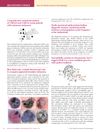 January 2012 in “Journal of Investigative Dermatology”
 Some Greek melanoma patients have gene mutations linked to increased cancer risk, a new color feature helps diagnose melanoma, the incidence of a skin condition in the Netherlands is rare, and a gene possibly affects male-pattern baldness.
April 2023 in “Journal of Investigative Dermatology” Chronic graft-versus-host disease in the skin shows strong Th1 immune response and unique barrier issues.
 13 citations
,
December 2020 in “PLoS ONE”
13 citations
,
December 2020 in “PLoS ONE” Genetic factors influence growth and brain development in children.
December 2012 in “Expert review of dermatology” New findings suggest the protein linked to Birt–Hogg–Dubé syndrome is important in cell signaling and could affect treatment understanding.
12 citations
,
July 2015 in “Experimental Dermatology” Gasdermin A3 overexpression in skin causes inflammation and hair loss.
 52 citations
,
April 2013 in “Developmental Cell”
52 citations
,
April 2013 in “Developmental Cell” Brg1 is crucial for hair growth and skin repair by maintaining stem cells and promoting regeneration.
 58 citations
,
April 2012 in “Journal of the American Academy of Dermatology”
58 citations
,
April 2012 in “Journal of the American Academy of Dermatology” Graft-versus-host disease is a complication where donor immune cells attack the recipient's body, often affecting the skin, liver, and gastrointestinal tract.
RNA-based treatments show promise for managing Hutchinson-Gilford Progeria Syndrome.
 March 2024 in “bioRxiv (Cold Spring Harbor Laboratory)”
 Minoxidil treatment improves heart defects in a DiGeorge syndrome model.
 28 citations
,
November 2019 in “Gene”
28 citations
,
November 2019 in “Gene” The ITGB6 gene is important for tissue repair and hair growth, and mutations can lead to enamel defects and other health issues.
 June 2023 in “GSC Advanced Research and Reviews”
 Hutchinson-Gilford Progeria Syndrome causes rapid aging from a genetic mutation, with no cure but ongoing research into potential treatments.
3 citations
,
May 2013 in “PubMed” Research on Hutchinson-Gilford progeria syndrome could help understand normal aging and heart disease.
 24 citations
,
July 1994 in “Molecular Endocrinology”
24 citations
,
July 1994 in “Molecular Endocrinology” Researchers found an RNA transcript that might help control a growth factor linked to tumor development.