June 2025 in “British Journal of Dermatology” Tofacitinib is more effective than methotrexate for treating moderate-to-severe alopecia areata.

Low-dose sorafenib can cause severe facial acne, treatable with topical medication.
 3 citations
,
February 2010 in “Clinical kidney journal”
3 citations
,
February 2010 in “Clinical kidney journal” Combining ciclosporin and simvastatin can cause severe kidney damage.
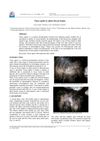
An adult Libyan woman was successfully treated for a rare scalp infection usually seen in children.
3 citations
,
June 2025 in “Biomedical Reports” Nanotechnology can improve cervical cancer treatment by targeting drugs better and reducing side effects.
 November 2023 in “Annales de dermatologie et de vénéréologie, FMC”
 Baricitinib effectively treats severe alopecia for up to 104 weeks.
137 citations
,
December 2006 in “Arthritis Research & Therapy” Mycophenolate mofetil is safer and more effective than cyclophosphamide for treating lupus nephritis.
6 citations
,
April 1993 in “Journal of Dermatological Science” Certain substances can strongly inhibit DNA synthesis in hair cells.
 1 citations
,
November 2017 in “The journal of investigative dermatology/Journal of investigative dermatology”
1 citations
,
November 2017 in “The journal of investigative dermatology/Journal of investigative dermatology” Mohs micrographic surgery is effective for treating basal cell carcinoma on the eyelid, while radiotherapy has higher recurrence rates, and topical vitamin D3 may reduce and delay BCC formation in mice.
April 2026 in “Case Reports in Dermatology” Tofacitinib effectively treated a woman's complex autoimmune and autoinflammatory disorders.
 May 2023 in “Elsevier eBooks”
 The document's conclusion cannot be provided because the document is not readable or understandable.
 June 2026 in “Pharmaceutical Sciences and Research”
 Chemotherapy regimens were appropriate, but managing adverse effects like anemia and hair loss is crucial.
 May 2024 in “Journal of molecular structure”
 A new compound, 3a, effectively fights prostate cancer better than finasteride.
 February 2026 in “Dermatology and Therapy”
 Sonidegib is effective and safe for treating advanced basal cell carcinoma, but biopsies are needed to confirm tumor clearance.
January 2025 in “Dermatologic Therapy” Baricitinib works better for alopecia areata in patients not previously treated with tofacitinib.
10 citations
,
August 2002 in “British Journal of Ophthalmology” Surgical excision is the best treatment for SCC, but intralesional cidofovir might be a good alternative.
 July 1996 in “Annals of Internal Medicine”
 Long-term high-dose fluconazole can cause reversible hair loss.
May 2010 in “OPAL (Open@LaTrobe) (La Trobe University)” Vaccines and targeting TrxR variants can help prevent cancer and reduce metastasis.
6 citations
,
April 2021 in “Patient Preference and Adherence” Patients with non-small-cell lung cancer need significant survival gains to accept severe side effects.
5 citations
,
February 2016 in “International Journal of Cancer” Topical vasoconstrictors do not reduce chemotherapy effectiveness against leukemia in mice.
November 2024 in “SKIN The Journal of Cutaneous Medicine” Ritlecitinib effectively reduces severe hair loss in alopecia areata over 24 months.
35 citations
,
February 2002 in “Journal of Radiological Protection” Caffeine reduces radiation skin damage but doesn't affect tumor treatment.
![[4-t-Butylphenyl]-N-(4-imidazol-1-yl phenyl)sulfonamide (ISCK03) Inhibits SCF/c-kit Signaling in 501mel Human Melanoma Cells and Abolishes Melanin Production in Mice and Brownish Guinea Pigs](/images/research/4eb017dc-711d-4926-bcd0-c3b8f48e3a99/small/19974.jpg) 26 citations
,
July 2007 in “Biochemical Pharmacology”
26 citations
,
July 2007 in “Biochemical Pharmacology” ISCK03 stops melanin production in human melanoma cells and lightens skin color in mice and guinea pigs.
 January 2024 in “Wiadomości Lekarskie”
 Glioma treatment may improve with new therapies and technologies.
1 citations
,
October 2025 in “International Journal of Dermatology” Ritlecitinib improves emotional well-being and activity levels in alopecia areata patients.
1 citations
,
May 2025 in “Journal of the European Academy of Dermatology and Venereology” Ritlecitinib and baricitinib are effective for alopecia areata, but more research is needed to determine which is better.
1 citations
,
February 2023 in “Pharmaceutics” Cell proteomic footprinting enhances cancer vaccine quality by ensuring correct antigen composition.
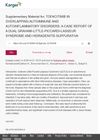
Tofacitinib significantly improved symptoms in a patient with overlapping autoimmune disorders.
 3 citations
,
April 2019 in “Clinical Therapeutics”
3 citations
,
April 2019 in “Clinical Therapeutics” Computational tools identified 29 drugs that could potentially target 19 genes involved in chemotherapy-induced hair loss, which could lead to more effective treatments.
 19 citations
,
August 2020 in “Gastroenterology report”
19 citations
,
August 2020 in “Gastroenterology report” There is no standard treatment for the rare Cronkhite–Canada syndrome, which can be fatal and lead to cancer.