 April 2016 in “Journal of Investigative Dermatology”
 Mice without the p21 gene can fully regenerate injured ears due to reduced Sdf1 increase and leukocyte recruitment, suggesting new ways to induce tissue regeneration in mammals.
Neuropeptides affect hair growth and could be used to control it.
 191 citations
,
May 2018 in “British journal of dermatology/British journal of dermatology, Supplement”
191 citations
,
May 2018 in “British journal of dermatology/British journal of dermatology, Supplement” Alopecia areata is likely an autoimmune disease with unclear triggers, involving various immune cells and molecules, and currently has no cure.
 100 citations
,
September 2017 in “Molecular and Cellular Endocrinology”
100 citations
,
September 2017 in “Molecular and Cellular Endocrinology” Male hormones and their receptors play a key role in hair loss and skin health, with potential new treatments being explored.
 61 citations
,
June 2014 in “Scientific Reports”
61 citations
,
June 2014 in “Scientific Reports” Wnt1a-conditioned medium from stem cells helps activate cells important for hair growth and can promote hair regrowth.
31 citations
,
October 2019 in “Genes & Diseases” Basal cell carcinomas and squamous cell carcinomas have different gene activity patterns, suggesting unique treatment approaches.
 14 citations
,
April 2006 in “Expert Review of Dermatology”
14 citations
,
April 2006 in “Expert Review of Dermatology” Antiandrogen therapy helps treat genetic hair loss.
1 citations
,
January 2025 in “Archives of Dermatological Research” Higher levels of IL-1R1 and hsa-miR-19b-3p may help diagnose and predict alopecia areata severity.
 June 2025 in “Microorganisms”
 Microbial imbalances in hair follicles may contribute to hair loss, especially in women.
 April 2022 in “Brazilian Medical Students”
 People with androgenetic alopecia may have a higher risk of severe COVID-19.
 April 2016 in “Journal of Investigative Dermatology”
 SOX4 is crucial for the development of melanoma.
 March 2011 in “European Urology Supplements”
 Blood tests for tumor cells could improve prostate cancer diagnosis and treatment; hair loss severity linked to a gene affecting prostate conditions.
 January 2010 in “Yearbook of Endocrinology”
 Two new compounds can block androgen receptor activity in different ways and may lead to new treatments for androgen-related diseases.

The document concludes that the development of certain tumors is influenced by genetic background and that a specific gene modification can lead to tumor regression and reduced growth.
224 citations
,
February 2013 in “The Journal of clinical investigation/The journal of clinical investigation” ERG increases SOX9, promoting prostate cancer growth and invasion.
 34 citations
,
April 2014 in “Psychopharmacology”
34 citations
,
April 2014 in “Psychopharmacology” Stress and alcohol affect brain chemicals differently in rats, mice, and humans, influenced by genetic differences.
12 citations
,
October 2019 in “Experimental Dermatology” Boehmite promotes hair growth by stimulating key cells and pathways.
 10 citations
,
July 2022 in “The journal of investigative dermatology/Journal of investigative dermatology”
10 citations
,
July 2022 in “The journal of investigative dermatology/Journal of investigative dermatology” Human nails and hair follicles have similar gene activity, especially in the cells that contribute to their growth and development.
2 citations
,
February 2022 in “Preprints.org” Fermented red ginseng marc may help treat atopic dermatitis by reducing inflammation and improving skin health.
 1 citations
,
November 2021 in “Biomedicines”
1 citations
,
November 2021 in “Biomedicines” Understanding how acne develops in different diseases could lead to new treatments.
 November 2024 in “Journal of Investigative Dermatology”
 Changes in scalp bacteria are linked to female hair loss, suggesting new treatment options.
 July 2023 in “British journal of dermatology/British journal of dermatology, Supplement”
 HPV8 E6 gene causes growth of certain skin stem cells.
 June 2020 in “Journal of Investigative Dermatology”
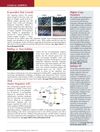
 Certain bacteria can enhance skin regeneration.
 July 2016 in “Experimental Dermatology”
 New treatments for hair growth and psoriasis may be possible, and gene differences could affect baldness and the severity of skin conditions.
 June 2010 in “Expert Review of Dermatology”
 Scientists found key proteins and genes that affect skin and hair health, and identified potential new treatments for hair loss, skin disorders, and wound healing.
37 citations
,
December 2022 in “Acta Pharmaceutica Sinica B” Smart delivery methods for CRISPR gene editing are crucial for clinical success.
1 citations
,
November 2025 in “Aging Cell” EDA2R is a key gene linked to ageing and diseases, and targeting it may help treat conditions like hair loss and chronic diseases.
 3 citations
,
July 2022 in “Stem Cell Research & Therapy”
3 citations
,
July 2022 in “Stem Cell Research & Therapy” Turning off a specific gene in stem cells speeds up skin healing by helping cells move better.
1 citations
,
June 2025 in “Pigment Cell & Melanoma Research” SASH1 gene mutations are linked to various inherited skin pigmentation disorders.
 30 citations
,
April 2010 in “Cell Cycle”
30 citations
,
April 2010 in “Cell Cycle” The gene p53 is crucial for removing damaged cells to allow for healthy tissue renewal.