 1 citations
,
September 2010 in “The journal of investigative dermatology/Journal of investigative dermatology”
1 citations
,
September 2010 in “The journal of investigative dermatology/Journal of investigative dermatology” The meeting highlighted major advances in skin research, including new findings on skin microbes, genetic links to skin diseases, and improved treatments for various conditions.
 November 2003 in “Journal of Investigative Dermatology”
 Topical Imiquimod may fight vascular tumors by affecting blood vessels or the immune system, low iron might be linked to some hair loss, removing the top skin layer helps vitamin C get in, genetic testing helps diagnose skin conditions, and too much iron could worsen skin inflammation.
 18 citations
,
November 2016 in “Neuromuscular Disorders”
18 citations
,
November 2016 in “Neuromuscular Disorders” Patients with myotonic dystrophy often have skin problems that suggest early aging and vitamin D issues, and the severity of these problems is linked to their genetic condition and vitamin D levels.
 1 citations
,
May 2021 in “BMC Proceedings”
1 citations
,
May 2021 in “BMC Proceedings” The document concludes that more research is needed to reduce frequent hospital visits, addiction medicine education improves with specific training, early breast cancer surgery findings are emerging, nipple smears are not very accurate, surgery for older melanoma patients doesn't extend life, a genetic condition in infants can often be treated with one drug, doctors are inconsistent with blood clot medication, a certain gene may protect against cell damage, muscle gene overexpression affects many other genes, and some mitochondrial genes are less active in mice with tumors.
 June 1997 in “Australasian Journal of Dermatology”
 Researchers found new hair and nail genes, how hair reacts to UV, differences in white and pigmented hair growth, nerve changes in alopecia, treatments for baldness and alopecia, a toenail condition linked to a genetic disorder, and that nail fungus is more common in people with psoriasis.
 10 citations
,
July 2022 in “Dermatology and Therapy”
10 citations
,
July 2022 in “Dermatology and Therapy” Melasma's causes include genetics, sun exposure, hormones, and oxidative stress, and understanding these can help create better treatments.
44 citations
,
January 2004 in “American journal of clinical dermatology” Understanding genetic mutations helps diagnose and treat skin disorders like ichthyosis.
21 citations
,
May 2024 in “American Journal of Medical Genetics Part A” Myhre syndrome symptoms worsen over time, with specific genetic variants affecting severity.
June 2018 in “CRC Press eBooks” Foals can have various skin issues, some genetic, immune-related, or due to infections and allergies.
AGA is caused by genetics and androgens, treatable with finasteride and minoxidil.
44 citations
,
April 2013 in “Proceedings of the National Academy of Sciences of the United States of America” FGF13 gene changes cause excessive hair growth in a rare condition.
3 citations
,
August 2024 in “Dermatology and Therapy” Gene and cell therapies are being developed to treat rare skin conditions like epidermolysis bullosa and ichthyosis.
 17 citations
,
August 2012 in “Journal of Medical Genetics”
17 citations
,
August 2012 in “Journal of Medical Genetics” A new mutation in the XEDAR gene might cause a rare skin condition called hypohidrotic ectodermal dysplasia.
April 2026 in “Meditsinskiy sovet = Medical Council” Scalp psoriasis is a chronic condition that can be managed with treatments like corticosteroids and salicylic acid.
 226 citations
,
September 2001 in “Journal of The American Academy of Dermatology”
226 citations
,
September 2001 in “Journal of The American Academy of Dermatology” Hair loss in women is genetic, diagnosed by examination and biopsy, and treated with minoxidil, finasteride, or transplantation.
 September 2022 in “IP Indian journal of clinical and experimental dermatology”
 An 8-year-old girl has a rare genetic disorder causing complete, irreversible hair loss and skin bumps.
February 2022 in “Authorea (Authorea)” PAON shows skin patterns due to genetic mosaicism.
9 citations
,
July 2016 in “Genes” Genetic variants in PDE6H and LPAR6 cause vision impairment and hair loss in two Pakistani brothers.
22 citations
,
July 2016 in “Cellular and Molecular Life Sciences” Genetic changes in mice help understand skin and hair disorders, aiding treatment development for acne and hair loss.
 14 citations
,
April 2006 in “Expert Review of Dermatology”
14 citations
,
April 2006 in “Expert Review of Dermatology” Antiandrogen therapy helps treat genetic hair loss.
5 citations
,
September 2018 in “International journal of genomics” Genetic mutations that disrupt homocysteine breakdown lead to increased damage in mouse hair keratin.
 5 citations
,
January 2017 in “Endocrinology”
5 citations
,
January 2017 in “Endocrinology” Genetic defects in testosterone production can cause hormonal and developmental disorders, and more research is needed to understand androgen regulation and develop safer treatments.
February 2025 in “Journal of Paediatrics and Child Health” Genetic analysis is crucial for diagnosing ectodermal dysplasia syndromes, and new therapies may help improve skin issues.
November 2023 in “Вопросы современной педиатрии” Genetic testing can diagnose hair loss linked to DSG4 gene variants.
25 citations
,
May 2004 in “Prenatal Diagnosis” Prenatal genetic diagnosis may not predict MELAS syndrome severity in offspring.
 October 2025 in “Research Journal of Topical and Cosmetic Sciences”
 Tailored treatments based on genetics improve hair health.
August 2023 in “Journal of the American Academy of Dermatology” CCCA affects Black men too, with a genetic link found in the PADI3 gene.
July 2023 in “International journal of physiology” Hypertrichosis lanuginosa causes excessive fine hair growth, often linked to genetics or cancer, with limited treatment options.
 July 2018 in “Kidney international”
 Genetic testing for EGFR mutations is crucial in similar cases.
 January 2022 in “Clinical Cases in Dermatology”
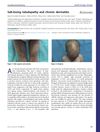
 A condition called Central Centrifugal Cicatricial Alopecia causes hair loss and scalp burning in middle-aged African women, and it's treated with various medications, hair transplants, and non-drug methods like wigs.