January 2005 in “Journal of Marine Fisheries” Female pattern hair loss is caused by genetics and hormones, leading to hair thinning in women.
 August 2003 in “International Journal of Cosmetic Surgery and Aesthetic Dermatology”
 The document recommends the reviewed medical books for professionals in cosmetic surgery, dermatology, and genetics.
January 2023 in “Journal of Dermatological Treatment” Combining PRP injections with minoxidil 2% effectively promotes hair growth in hereditary hair loss.
January 2021 in “Przegla̧d dermatologiczny” Women know more about androgenetic alopecia than men.
 March 2019 in “Chinese Journal of Dermatology”
 Hair loss, known as androgenetic alopecia, is mainly caused by genetics, but also by hormone imbalances, shrinking hair follicles, inflammation, and environmental factors.
 April 2018 in “Journal of Investigative Dermatology”
 Hair pattern in androgenetic alopecia overlaps with scalp and bone demarcations, with distinct gene profiles affecting susceptibility.
Certain genetic markers on chromosome 20 are linked to hair loss in the Han Chinese from Yunnan.
January 2015 in “Journal of Clinical Dermatology” Family history affects hair loss severity and onset more in men than women.
 January 2009 in “Egyptian Journal of Medical Human Genetics”
 The study suggests that a specific gene variation and higher gene activity are linked to increased baldness in Egyptian men.
 January 2005 in “Korean Journal of Psychosomatic Medicine”
 Women with alopecia often experience high levels of anxiety and depression, needing psychiatric help.
 September 2004 in “PubMed”
 Androgenetic alopecia, or hair loss, is influenced by hormones and genetics, and can be treated with medications like minoxidil, finasteride, or hormone therapy, with effectiveness evaluated after 6 months.
39 citations
,
January 2018 in “British journal of dermatology/British journal of dermatology, Supplement” Acne and hidradenitis suppurativa have different causes and risk factors, but both are driven by inflammation and may benefit from treatments targeting interleukin-1.
 3 citations
,
May 2010 in “Nursing Standard”
3 citations
,
May 2010 in “Nursing Standard” Treatments for autoimmune hair loss have limited success and often relapse, and emotional support is crucial for those affected.
Natural products like onion, green tea, and rosemary may help treat male pattern baldness safely and affordably.
 July 2025 in “Pakistan Journal of Rehabilitation”
 Over half of physiotherapy students in Lahore experience hair loss, highlighting the need for better education and early treatment.
 February 2025 in “Issues of Reconstructive and Plastic Surgery”
 Hair autotransplantation is the best treatment for androgenic alopecia.
 January 2025 in “Traditional Chinese Medicine”
 Combining Traditional Chinese Medicine with Western treatments improves hair loss treatment.
 October 2021 in “Más dermatología”
 Female androgenetic alopecia affects many women, is reversible with treatment like Minoxidil, and has significant psychological impacts.

Hair aging leads to color loss and reduced density, and dermatologists are key in treating it to improve quality of life.
 November 2010 in “Value in Health”
 Cataract surgery guidelines vary across Europe, and generic finasteride sales for hair loss have grown due to pill splitting.
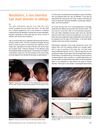
December 2021 in “Intisari Sains Medis” Botulinum toxin injections improved hair thinning in a woman with hair loss.
 4 citations
,
January 2014 in “Indian dermatology online journal”
4 citations
,
January 2014 in “Indian dermatology online journal” Monilethrix is a genetic hair disorder causing fragile, beaded hair with no effective treatment.
 98 citations
,
June 2008 in “Human mutation”
98 citations
,
June 2008 in “Human mutation” A genetic change in the EDAR gene causes the unique hair traits found in East Asians.
71 citations
,
January 2011 in “Orphanet Journal of Rare Diseases” IFAP syndrome is a rare genetic disorder causing skin, hair, and eye issues, with limited treatment options.
 68 citations
,
March 1965 in “The BMJ”
68 citations
,
March 1965 in “The BMJ” Hormones and genetics affect hair growth and patterns, with some changes reversible and others not.
 55 citations
,
July 2016 in “Dermatologic Therapy”
55 citations
,
July 2016 in “Dermatologic Therapy” Multiple treatments work best for hair loss.
 9 citations
,
January 2017 in “Elsevier eBooks”
9 citations
,
January 2017 in “Elsevier eBooks” Skin's epithelial stem cells are crucial for repair and maintenance, and understanding them could improve treatments for skin problems.
8 citations
,
February 2025 in “Cell Systems” Engineered bacteria can deliver antioxidants to protect skin.
1 citations
,
October 2020 in “Research Square (Research Square)” A genetic variant in goats is linked to cashmere growth.
 August 2016 in “Journal of Investigative Dermatology”
 Researchers found a new genetic mutation linked to a hair condition in a Japanese boy.