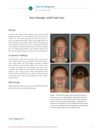
 July 2019 in “Journal der Deutschen Dermatologischen Gesellschaft”
 A mother and daughter have a rare genetic hair loss disorder with no effective treatment.
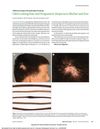 May 2014 in “JAMA Dermatology”
 Mother and son diagnosed with a rare genetic hair loss condition with no effective treatment.
 January 2000 in “BioScience”
 The document concludes that understanding hair biology is key to treating hair disorders, with gene therapy showing potential as a future treatment.
 23 citations
,
August 2017 in “Scientific Reports”
23 citations
,
August 2017 in “Scientific Reports” Darker hair may lead to higher cortisol readings, suggesting a need to adjust for hair color in studies.
July 2024 in “International Society of Hair Restoration Surgery” The conference highlighted holistic approaches to managing hair loss.
854 citations
,
February 2002 in “The journal of investigative dermatology/Journal of investigative dermatology” Understanding hair follicle development can help treat hair loss, skin regeneration, and certain skin cancers.
305 citations
,
December 2000 in “The EMBO Journal” Inhibiting Bmp signaling disrupts hair growth and differentiation.
 196 citations
,
March 2016 in “Nature Communications”
196 citations
,
March 2016 in “Nature Communications” Genetic factors influence hair traits like shape, color, and greying in Latin Americans.
97 citations
,
March 2010 in “The American Journal of Human Genetics” A mutation in the KRT74 gene causes tightly curled hair.
94 citations
,
April 2018 in “Nature Genetics” New genetic locations explain much of hair color variation in Europeans.
75 citations
,
September 2007 in “Journal of Heredity” FGF5 gene mutations cause long hair in domestic cats.
 65 citations
,
November 2012 in “Tissue Engineering Part B-reviews”
65 citations
,
November 2012 in “Tissue Engineering Part B-reviews” Hair follicle stem cells are a promising source for tissue repair and treating skin or hair diseases.
 41 citations
,
November 2011 in “The Journal of Dermatology”
41 citations
,
November 2011 in “The Journal of Dermatology” Some hair loss disorders are caused by genetic mutations affecting hair growth.
34 citations
,
March 2009 in “Journal of Investigative Dermatology” Proteomic analysis can identify genetic differences in mouse hair, helping understand hair defects and variations.
30 citations
,
October 2010 in “Biochemical and biophysical research communications” The Gsdma3 gene is essential for normal hair development in mice.
18 citations
,
January 2015 in “Journal of medical genetics” New genes linked to woolly hair have been found, which could help treat it and change hair texture.
 9 citations
,
July 2011 in “Scientific Reports”
9 citations
,
July 2011 in “Scientific Reports” Changes in the HR gene have influenced hair growth and may lead to hair loss conditions in humans.
5 citations
,
May 2024 in “BMC Genomics” Different genes affect hair length in yaks.
 5 citations
,
June 2023 in “BMC genomics”
5 citations
,
June 2023 in “BMC genomics” A specific gene mutation causes long hair in Angora rabbits.
 5 citations
,
February 2019 in “The New England Journal of Medicine”
5 citations
,
February 2019 in “The New England Journal of Medicine” Certain mutations in the PADI3 gene may increase the risk of developing a type of scarring hair loss common in women of African descent.
 3 citations
,
December 2003 in “Micron”
3 citations
,
December 2003 in “Micron” The book "Hair Science and Technology" provides a deep understanding of hair biology and genetics, discusses hair growth, density, and diseases, and offers methods for managing hair loss and caring for hair growth.
3 citations
,
December 2024 in “International Journal of Dermatology” Premature hair graying is caused by genetics, stress, and lifestyle, and affects mental health.
1 citations
,
August 2025 in “Journal of Investigative Dermatology” Genetic studies on hair traits can improve understanding of health and disease.
June 2026 in “Experimental Dermatology” No strong genetic link between hair color and alopecia areata was found.
 September 2024 in “Journal of Investigative Dermatology”
 A new tool can analyze hair to detect changes due to hormones, genetics, and aging.
 July 2024 in “Clinical Cosmetic and Investigational Dermatology”
 Certain immune cells are linked to non-scarring hair loss, suggesting potential for immune-targeted treatments.
303 citations
,
August 1971 in “The American Journal of Medicine” Melanocytes are destroyed by factors needed for melanin production, causing vitiligo and gray hair.
210 citations
,
May 2006 in “The FASEB journal” Oxidative stress causes hair to gray by damaging and killing pigment cells.
 165 citations
,
June 2007 in “European Journal of Cell Biology”
165 citations
,
June 2007 in “European Journal of Cell Biology” Hair follicle stem cells are key for hair and skin regeneration, can be reprogrammed, and have potential therapeutic uses, but also carry a risk of cancer.
116 citations
,
January 1957 in “Australian Journal of Agricultural Research” Certain hair follicle traits in Merino sheep may be inherited.