 116 citations
,
September 2001 in “Journal of The American Academy of Dermatology”
116 citations
,
September 2001 in “Journal of The American Academy of Dermatology” Hair loss occurs due to fewer papillary cells, smaller follicles, and shorter growth phases.
 104 citations
,
October 2016 in “PLoS ONE”
104 citations
,
October 2016 in “PLoS ONE” CRISPR/Cas9 gene editing in cashmere goats increases hair follicles and fiber length, boosting cashmere yield.
95 citations
,
January 2007 in “Human biology” Human hair can be classified into eight types based on physical features, not ethnicity.
 76 citations
,
November 2010 in “Journal of The American Academy of Dermatology”
76 citations
,
November 2010 in “Journal of The American Academy of Dermatology” Some African American women's central scalp hair loss is linked to genetics and past fungal scalp infections, with more research needed on other causes.
75 citations
,
July 2016 in “New phytologist” The protein RSL4 is crucial for making root hairs longer by controlling genes related to cell growth.
 74 citations
,
January 2013 in “Journal of Investigative Dermatology”
74 citations
,
January 2013 in “Journal of Investigative Dermatology” Four genetic risk spots found for hair loss, with WNT signaling involved and a link to curly hair.
66 citations
,
December 1999 in “Journal of Investigative Dermatology” New mutations in the hairless gene may cause hair loss and affect bone development.
 35 citations
,
January 2013 in “International Journal of Trichology”
35 citations
,
January 2013 in “International Journal of Trichology” Kids with early graying hair often have low levels of calcium, ferritin, and vitamin D3.
35 citations
,
October 2000 in “Dermatologic clinics” A scarring hair loss condition mainly affects middle-aged women of African descent, impacting their quality of life, with treatments more effective when started early.
29 citations
,
March 2000 in “Journal of Investigative Dermatology” The gene for Marie Unna hereditary hypotrichosis is located on chromosome 8p21.
 27 citations
,
June 2023 in “Nature”
27 citations
,
June 2023 in “Nature” Senescent melanocytes can boost hair growth by activating hair stem cells.
 23 citations
,
January 2013 in “Indian Journal of Dermatology, Venereology and Leprology”
23 citations
,
January 2013 in “Indian Journal of Dermatology, Venereology and Leprology” FPHL causes hair loss in women due to genetics and hormones; minoxidil and anti-androgens are treatments, and early intervention is advised.
22 citations
,
January 1987 in “Dermatology” Hair loss is common, influenced by genetics and androgens, and can affect mental health.
21 citations
,
December 2023 in “Journal of Investigative Dermatology” Hair graying is caused by damage and cell depletion but might be temporarily reversible with drugs and hormones.
 20 citations
,
September 1978 in “International Journal of Dermatology”
20 citations
,
September 1978 in “International Journal of Dermatology” Hair growth is influenced by factors like genetics and nutrition, and more research is needed to understand hair loss and growth mechanisms.
 18 citations
,
August 2018 in “The FASEB journal”
18 citations
,
August 2018 in “The FASEB journal” Rabbits lacking the Hoxc13 gene show similar hair and skin issues to humans with ECTD-9, making them good for research on this condition.
 17 citations
,
November 2012 in “Maturitas”
17 citations
,
November 2012 in “Maturitas” The conclusion is that proper evaluation and treatment of hair loss in midlife women is important, considering the emotional impact and potential for various treatments.
16 citations
,
January 2018 in “International journal of trichology” Genetics and nutritional deficiencies are key factors in premature graying of hair.
 15 citations
,
April 2002 in “British Journal of Dermatology”
15 citations
,
April 2002 in “British Journal of Dermatology” Hairless gene not strongly linked to baldness.
 14 citations
,
June 2016 in “Pediatric Dermatology”
14 citations
,
June 2016 in “Pediatric Dermatology” Some congenital hair disorders improve with age and can be managed with treatments like minoxidil, retinoids, supplements, and gentle hair care, but there's no cure.
12 citations
,
January 2014 in “Dermatology online journal” White hair regrowth in alopecia areata may be more common than thought.
 11 citations
,
September 2001 in “The Cleft Palate Craniofacial Journal”
11 citations
,
September 2001 in “The Cleft Palate Craniofacial Journal” Hair transplant surgery successfully restored a boy's moustache hair on a cleft lip scar, with natural-looking results and patient satisfaction.
10 citations
,
January 2023 in “Skin Appendage Disorders” Alopecia areata is an autoimmune hair loss condition linked to genetic factors.
10 citations
,
January 2015 in “Current problems in dermatology” Gentle hair care and avoiding harsh treatments can help manage hair loss.
 6 citations
,
September 2001 in “The Cleft Palate Craniofacial Journal”
6 citations
,
September 2001 in “The Cleft Palate Craniofacial Journal” Hair transplant surgery successfully restored a boy's moustache hair on a cleft lip scar, with natural-looking results and patient satisfaction.
 6 citations
,
October 1993 in “The journal of the Royal Society of Health”
6 citations
,
October 1993 in “The journal of the Royal Society of Health” Children's hair loss has many causes and requires careful diagnosis and personalized treatment, including emotional support.
5 citations
,
March 2020 in “Aids Reviews” Hair antiretroviral concentration is affected by hair type, segment position, housing, drug use, sexual behavior, kidney function, and genetics.
4 citations
,
November 2024 in “Anais Brasileiros de Dermatologia” Various factors like genetics, pollution, and lifestyle choices can damage hair over time.
 4 citations
,
July 2014 in “International Journal of Dermatology”
4 citations
,
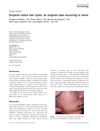
July 2014 in “International Journal of Dermatology” Twins had rare skin cysts likely due to genetics.
3 citations
,
October 2021 in “Indian Journal of Plastic Surgery” Pattern hair loss is mainly caused by genetics and hormones, with limited effective treatments available.