December 2025 in “Pharmaceutics” Personalized skin rejuvenation using genomics shows promise but needs more research.
 February 2024 in “BIOspektrum”
 Genetic research may lead to better ways to predict and treat male-pattern hair loss.
 July 2022 in “International Journal of Applied Pharmaceutics”
 Machine learning and deep learning can effectively diagnose alopecia areata.
June 2013 in “The mental health clinician” Large data can lead to new medical discoveries and personalized medicine.
 June 2026 in “Journal of Comprehensive Dermatology”
 Minoxidil is effective for hair growth, especially with new delivery methods and personalized treatments.
April 2026 in “International Journal of Engineering Research and Science & Technology” The new AI system accurately diagnoses hair disorders and offers personalized treatment recommendations.
 21 citations
,
November 2012 in “Plastic and Reconstructive Surgery”
21 citations
,
November 2012 in “Plastic and Reconstructive Surgery” Both genetic and lifestyle factors significantly affect female hair loss.
7 citations
,
March 2022 in “Journal of the American Academy of Dermatology” Stress can trigger or worsen alopecia areata.
 3 citations
,
January 2021 in “Skin appendage disorders”
3 citations
,
January 2021 in “Skin appendage disorders” Hair color is not a risk factor for developing alopecia areata.
 January 2024 in “Brazilian Journal of Hair Health”
 Testosterone therapy in transgender men can lead to hair loss, with the risk increasing over time and influenced by family history.
Adolescents with PCOS have lower quality of life due to diagnosis, binge eating, and body image concerns.
 6 citations
,
November 2022 in “Forensic Science Medicine and Pathology”
6 citations
,
November 2022 in “Forensic Science Medicine and Pathology” Genetic markers can help predict ear shapes for forensic use.
November 2022 in “Journal of Investigative Dermatology” Rare genetic variants in 125 genes are linked to male-pattern hair loss.
 16 citations
,
February 2018 in “BMC Genomics”
16 citations
,
February 2018 in “BMC Genomics” Certain genetic markers linked to reproductive potential were identified by their impact on a protein's ability to bind to genes.
 3 citations
,
April 2015 in “AFRICAN JOURNAL OF BIOTECHNOLOGY”
3 citations
,
April 2015 in “AFRICAN JOURNAL OF BIOTECHNOLOGY” Certain genetic markers on the Y-chromosome may influence prostate cancer risk in Iraqi males.
 January 2022 in “Function”
 Studying rare genetic disorders can help us understand and treat common diseases better.
 2 citations
,
June 2006 in “Experimental dermatology”
2 citations
,
June 2006 in “Experimental dermatology” Skin patterns form through molecular signals and genetic factors, affecting healing and dermatology.
 March 2026 in “Dermatopathology”
 Different types of skin gland tumors have unique genetic traits, which can guide personalized treatments.
 January 2025 in “Iraqi Journal of Science”
 PDCD4 protein levels, affected by genetics and breastfeeding, may predict breast cancer treatment response.
 266 citations
,
November 2013 in “European Journal of Epidemiology”
266 citations
,
November 2013 in “European Journal of Epidemiology” The Rotterdam Study aims to understand disease causes in the elderly and has found new risk factors and genetic influences on various conditions.
56 citations
,
August 2011 in “Best Practice & Research Clinical Gastroenterology” Cancer prevention has progressed with successful drugs and vaccines, but challenges remain in understanding genetic changes and improving strategies.
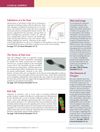 April 2015 in “Experimental Dermatology”
 Melanoma risk tools need improvement, certain gene mutations cause skin diseases and could be treated by targeting those mutations, skin wrinkling may relate to lung aging due to genetic factors, and oxidative stress affects hair loss but can be reduced in low oxygen.
1 citations
,
August 2023 in “Biomolecules” Certain immune-related proteins are higher in people with alopecia and their healthy relatives, hinting at a genetic link.
 December 2023 in “JCEM case reports”
 A new gene variant causes glucocorticoid resistance in a mother and son.
 16 citations
,
September 2014 in “International Journal of Biological Markers”
16 citations
,
September 2014 in “International Journal of Biological Markers” Longer CAG and GGN repeats increase alopecia risk, but no significant link to post-finasteride syndrome found.
 March 2026 in “Egyptian Journal of Forensic Sciences”
 Unified regulations and ethical guidelines are needed for fair use of forensic DNA phenotyping.
November 2025 in “Agriculture” Machine learning can effectively identify genes to improve wool quality in sheep.
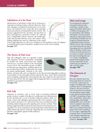 May 2015 in “Journal of Investigative Dermatology”
 Melanoma risk tools need improvement, a gene mutation causes a hair disorder that might be treated by managing cell stress, a potential therapy for a skin-ear disorder involves blocking cell channels, skin wrinkling may indicate lung aging regardless of smoking, and oxidative stress might contribute to common baldness.
4 citations
,
February 2018 in “EMBO reports” New DNA analysis and machine learning are advancing forensic science, improving accuracy and expanding into non-human applications.
3 citations
,
June 2020 in “Frontiers in Immunology” Parental uveitis increases offspring's risk and severity of autoimmune eye disease.