 12 citations
,
November 2019 in “PLoS ONE”
12 citations
,
November 2019 in “PLoS ONE” Male-pattern baldness is weakly linked to some heart disease risk factors but not a strong indicator for heart disease.
10 citations
,
May 2023 in “Journal of Investigative Dermatology” Actinic keratosis is more common in older men with certain genetic traits, but smoking seems to reduce its odds.
 September 2023 in “The Journal of clinical endocrinology and metabolism”
 Genetic risk for PCOS can affect children's growth, metabolism, and development from early life into adulthood.
 April 2023 in “Medizinische Genetik”
 New gene discoveries have improved diagnosis and treatment for skin and hair disorders, but more research is needed to fully understand them.
 June 2023 in “Research Square (Research Square)”
 A higher genetic risk score increases the chance of getting benign prostatic hyperplasia and affects treatment outcomes in Han Chinese men.
2 citations
,
October 2021 in “Skin health and disease” No significant link between male pattern baldness and COVID-19 severity was found.
 48 citations
,
May 2015 in “PLOS ONE”
48 citations
,
May 2015 in “PLOS ONE” DNA variants can predict male pattern baldness, with higher risk scores increasing baldness likelihood.
 November 2022 in “Journal of Investigative Dermatology”
 Acne is genetically linked to a higher risk of depression, anxiety, schizophrenia, and bipolar disorder, with the strongest link to bipolar disorder.
 December 2021 in “The Journal of clinical endocrinology and metabolism/Journal of clinical endocrinology & metabolism”
 Men can have genetic risks for PCOS-related traits like obesity and diabetes.
 September 2023 in “Nature Communications”
 Rare genetic variants in five specific genes are linked to male-pattern hair loss but only account for a small part of the risk.
 2 citations
,
May 2021 in “Journal of the Endocrine Society”
2 citations
,
May 2021 in “Journal of the Endocrine Society” Men with high genetic risk for Polycystic Ovary Syndrome (PCOS) have increased chances of obesity, type 2 diabetes, heart disease, and hair loss, showing PCOS risk factors can affect both genders.
 1 citations
,
April 2016 in “Journal of Investigative Dermatology”
1 citations
,
April 2016 in “Journal of Investigative Dermatology” UV photography can help identify people at higher risk for skin cancer, and male pattern baldness at age 45 is linked to a higher risk of certain skin cancers.
 4 citations
,
May 2021 in “Journal of The American Academy of Dermatology”
4 citations
,
May 2021 in “Journal of The American Academy of Dermatology” There's no significant genetic link between male pattern baldness and COVID-19.
 26 citations
,
May 2013 in “British Journal of Dermatology”
26 citations
,
May 2013 in “British Journal of Dermatology” Hair loss risk is influenced by multiple genes.
 2 citations
,
February 2014 in “Hair therapy & transplantation”
2 citations
,
February 2014 in “Hair therapy & transplantation” Alopecia Areata is an autoimmune condition causing hair loss, influenced by genetics, environment, and possibly improved by anti-MIF therapy, with many patients experiencing regrowth within a year.
 359 citations
,
September 2017 in “European Journal of Epidemiology”
359 citations
,
September 2017 in “European Journal of Epidemiology” The Rotterdam Study updated findings on elderly health, focusing on heart disease, genetics, lifestyle effects, and disease understanding.
December 2015 in “PLOS Genetics”  October 2007 in “Journal of Investigative Dermatology”
 The meeting highlighted the genetic basis of female pattern hair loss and various skin health insights.
143 citations
,
January 2007 in “The American Journal of Human Genetics” Certain genes on chromosomes 6, 10, 16, and 18 may increase the risk of alopecia areata.
The model predicts minoxidil's effectiveness and side effects better than traditional methods.
 12 citations
,
February 2023 in “Journal of Personalized Medicine”
12 citations
,
February 2023 in “Journal of Personalized Medicine” Type 1 diabetes often occurs with other autoimmune diseases, and personalized treatment based on genetics can improve outcomes.
July 2022 in “The Egyptian Journal of Hospital Medicine” Targeting IL-15 may help treat Alopecia Areata.
 April 2016 in “Journal of Investigative Dermatology”
 SOX4 is crucial for the development of melanoma.
14 citations
,
January 2025 in “Reproductive Medicine and Biology” PCOS diagnosis and treatment should consider race and ethnicity for accuracy.
September 2017 in “The journal of investigative dermatology/Journal of investigative dermatology” Male-pattern baldness has a weak link to heart disease and some related health conditions.
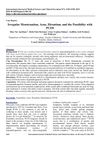 July 2022 in “International journal of medical science and clinical invention”
 Women with irregular periods should be checked for PCOS and treated early to prevent complications, with birth control pills helping to manage symptoms.
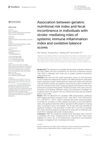 November 2025 in “Frontiers in Nutrition”
 Better nutrition may reduce fecal incontinence in stroke patients by lowering inflammation and improving antioxidant levels.
1 citations
,
May 2024 in “Human Genomics” Polygenic risk scores can predict the risk and outcomes of benign prostatic hyperplasia.
 57 citations
,
November 2017 in “Nature Communications”
57 citations
,
November 2017 in “Nature Communications” Researchers found 71 genetic regions linked to male pattern baldness, which account for 38% of its genetic risk.
 17 citations
,
June 2012 in “The Anatolian journal of cardiology”
17 citations
,
June 2012 in “The Anatolian journal of cardiology” Premature hair graying may be a sign of increased risk for heart disease, indicating biological age is more important than actual age.