 8 citations
,
October 1989 in “International Journal of Dermatology”
8 citations
,
October 1989 in “International Journal of Dermatology” Cytochrome P-450 enzymes in the skin help break down various substances and could be targeted to treat skin conditions.
 October 2020 in “Veterinary Dermatology”
 New treatments and diagnostic methods for various animal skin conditions showed promising results.
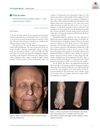 March 2019 in “Journal der Deutschen Dermatologischen Gesellschaft”
 Rothmund-Thomson syndrome type 2 can cause chronic, poorly healing wounds.
8 citations
,
September 1987 in “Acta Dermato Venereologica” Recessive X-linked ichthyosis involves a less efficient enzyme in hair follicles, suggesting two distinct enzymes.
July 2024 in “Journal of Investigative Dermatology” Pediatric patients with dystrophic epidermolysis bullosa face more hospital admissions, procedures, and complications than others.
June 2023 in “bioRxiv (Cold Spring Harbor Laboratory)” Scientists created cell lines to study a genetic skin disorder using CRISPR technology.
5 citations
,
April 2019 in “DOAJ (DOAJ: Directory of Open Access Journals)” Stopping shaving or removing hair follicles usually resolves Pseudofolliculitis barbae.
October 2015 in “CRC Press eBooks” Trichoscopy is a useful tool for examining and monitoring hair and scalp conditions.
 January 2021 in “Veterinary research forum”
 A Holstein calf in Iran with a severe genetic skin disorder was euthanized due to incurable symptoms.
2 citations
,
March 2020 in “Developmental cell” Stress can cause hair to turn gray by depleting pigment-producing cells through the release of a stress hormone.
1 citations
,
January 2018 in “Skin appendage disorders” The complement system might be involved in the development of alopecia areata and could lead to new treatments.
 1 citations
,
January 2006 in “Elsevier eBooks”
1 citations
,
January 2006 in “Elsevier eBooks” Cats lose fur due to various reasons, including allergies, infections, genetics, hormones, diet, cancer, stress, and some conditions are treatable while others are not.
 1 citations
,
May 2004 in “Journal der Deutschen Dermatologischen Gesellschaft”
1 citations
,
May 2004 in “Journal der Deutschen Dermatologischen Gesellschaft” The meeting presented new findings on hair stem cells, pigmentation, genetics, and modern hair treatment techniques.
March 2026 in “International Journal of Innovative Technologies in Social Science” Vitiligo is a systemic disease with psychological effects, and new treatments focus on personalized care.
Doctors should consider Netherton syndrome in patients with chronic skin and hair issues to avoid misdiagnosis.
 186 citations
,
July 1998 in “Journal of Cutaneous Medicine and Surgery”
186 citations
,
July 1998 in “Journal of Cutaneous Medicine and Surgery” Shorter CAG repeats may cause hair and skin issues, while longer ones may link to acne.
 78 citations
,
April 1994 in “Archives of dermatology”
78 citations
,
April 1994 in “Archives of dermatology” The study found that Keratosis Pilaris Atrophicans is a genetic skin condition that starts in childhood, involves inflammation and scarring, and current treatments are only somewhat effective.
44 citations
,
January 2004 in “American journal of clinical dermatology” Understanding genetic mutations helps diagnose and treat skin disorders like ichthyosis.
 7 citations
,
January 2013 in “Journal of Investigative Dermatology”
7 citations
,
January 2013 in “Journal of Investigative Dermatology” Vitamin A may influence hair loss conditions like alopecia, but more research is needed to understand how.
 August 2021 in “Annals of Agricultural and Environmental Medicine”
 The article concludes that understanding Frontal Fibrosing Alopecia (FFA) is crucial for effective treatment, which includes medication like 5α-reductase inhibitors and hydroxychloroquine.
 April 2018 in “Journal of Investigative Dermatology”
 BMP signaling is important for skin color, affecting melanin production, pigment spread, and cell movement.
56 citations
,
October 2016 in “Journal of dermatological science” New insights into the causes and treatments for the autoimmune hair loss condition Alopecia areata have been made.
 7 citations
,
July 1999 in “In Practice”
7 citations
,
July 1999 in “In Practice” The conclusion is that a systematic approach is key for treating symmetrical alopecia in dogs, but treatment may not always be necessary.
 5 citations
,
September 1986 in “Pediatric Dermatology”
5 citations
,
September 1986 in “Pediatric Dermatology” A family showed a new condition with inherited hair loss and skin changes, possibly due to one genetic disorder.
3 citations
,
March 2019 in “European Journal of Dermatology” A specific gene mutation (Y449H in K10) was found in a patient with severe skin disorder.
11 citations
,
January 2010 in “Current problems in dermatology” Ichthyoses are genetic skin disorders that affect the skin's barrier function.
71 citations
,
January 2011 in “Orphanet Journal of Rare Diseases” IFAP syndrome is a rare genetic disorder causing skin, hair, and eye issues, with limited treatment options.
 17 citations
,
November 2012 in “Journal of Investigative Dermatology”
17 citations
,
November 2012 in “Journal of Investigative Dermatology” The document concludes that over 500 genes are linked to hair disorders and this knowledge is important for creating new treatments.
 1 citations
,
May 2017 in “Journal of Stem Cell Research & Therapeutics”
1 citations
,
May 2017 in “Journal of Stem Cell Research & Therapeutics” Pluripotent stem cells show promise for treating skin color loss disorders like vitiligo.
14 citations
,
July 1994 in “Journal of Dermatological Science” Keratin mutations may cause scarring alopecia by damaging hair structure.