 3 citations
,
October 1995 in “Southern Medical Journal”
3 citations
,
October 1995 in “Southern Medical Journal” Finasteride may cause breast enlargement, low testosterone a risk factor.
 January 2025 in “HORMONES”
 Gender-affirming hormone treatments need better patient-focused outcome measurements and standardized data collection.
5 citations
,
March 2016 in “CRC Press eBooks” Hirsutism treatments can slow new hair growth, but existing hair needs removal, and eflornithine helps reduce hair growth.
 2 citations
,
February 2021 in “Endocrinology, diabetes & metabolism case reports”
2 citations
,
February 2021 in “Endocrinology, diabetes & metabolism case reports” A teenage girl had both a rare ovarian tumor and a severe form of polycystic ovarian syndrome.

Early diagnosis of imperforate hymen is crucial to prevent complications.
 4 citations
,
January 2019 in “Obstetrics & gynecology science”
4 citations
,
January 2019 in “Obstetrics & gynecology science” A PET-CT scan successfully located a hard-to-find Leydig cell tumor in a woman with hormonal symptoms.
 December 2023 in “International Journal of Dermatology”
 Adults with gender dysphoria on hormone treatment often have skin problems like acne, which are common but not always recognized.
4 citations
,
January 2022 in “Journal of Menopausal Medicine” Gender-affirming hormone therapy in South Korea aligns with international guidelines and has specific side effects.
March 2016 in “Journal of the Turkish-German Gynecological Association” The woman likely has a hormonal imbalance causing excessive hair growth.
 January 2013 in “Revista Clínica Española”
 A postmenopausal woman's increased male hormone levels were successfully treated with surgery.
October 2025 in “Journal of the Endocrine Society” Goserelin injections can effectively manage hyperandrogenism symptoms in postmenopausal women who can't have surgery.
 352 citations
,
January 2006 in “The Journal of Clinical Endocrinology and Metabolism”
352 citations
,
January 2006 in “The Journal of Clinical Endocrinology and Metabolism” Most women referred for excess male hormone symptoms had polycystic ovary syndrome (PCOS), with other conditions being less common.
 14 citations
,
January 2013 in “Hormone and Metabolic Research”
14 citations
,
January 2013 in “Hormone and Metabolic Research” The severity of symptoms in nonclassical congenital adrenal hyperplasia is not determined by CYP21A2 gene variations.
October 2025 in “Journal of the Endocrine Society” Early physical exams are crucial for timely Klinefelter syndrome diagnosis.
 November 2023 in “International journal of reproduction, contraception, obstetrics and gynecology”
 Polycystic ovary syndrome causes high male hormone levels, leading to symptoms like excess hair, acne, and fertility problems.
 July 2011 in “British Journal of Dermatology”
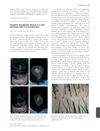
 Hormone treatment caused hair loss, finasteride helped regrowth.
 22 citations
,
June 2004 in “Journal of The European Academy of Dermatology and Venereology”
22 citations
,
June 2004 in “Journal of The European Academy of Dermatology and Venereology” A woman had both Graham Little-Piccardi-Lassueur syndrome, causing hair loss, and complete androgen insensitivity syndrome, making her genetically male but physically female. This suggests androgens don't affect the hair loss condition.
 45 citations
,
February 2001 in “Joint bone spine”
45 citations
,
February 2001 in “Joint bone spine” Gonadal dysgenesis, like Turner's and Klinefelter's syndromes, negatively affects bone health, but hormone treatments can help.
 October 2024 in “Journal of the Endocrine Society”
 Hirsutism in young girls can have various causes beyond PCOS, so diagnoses should be reconsidered if treatments don't work.
 January 2012 in “Journal für Kardiologie (Krause & Pachernegg GmbH)”
 Androgens can cause acne, excess hair, and hair loss, treatable with dermatologist-guided therapies.
January 2025 in “Case Reports in Endocrinology” Accurate diagnosis of rare hyperandrogenism conditions requires detailed testing and sometimes invasive procedures.
 October 2024 in “Journal of the Endocrine Society”
 Feminizing hormone therapy increases kidney filtration rate.
 November 2007 in “Neuro-chirurgie/Neurochirurgie”
 Cyproterone acetate is a safe treatment that causes mild feminizing effects and is more effective with added estrogens.
 32 citations
,
April 1994 in “Journal of the American Academy of Dermatology”
32 citations
,
April 1994 in “Journal of the American Academy of Dermatology” High androgen levels and genetic factors likely cause Becker's nevus and related symptoms.
October 2016 in “Journal of Case Reports” A rare ovarian tumor can occur without causing male-like symptoms.
 February 2021 in “Endocrinology, diabetes & metabolism case reports”
 A postmenopausal woman's excessive hair growth and hair loss were due to a non-cancerous ovarian condition, treated successfully with surgery.
20 citations
,
May 1998 in “PEDIATRICS” African-American girls tend to start puberty earlier than white girls, possibly due to increased androgen production.
April 2019 in “Journal of the Endocrine Society” A young patient with unusual insulin resistance and high testosterone levels had a rare INSR gene mutation.
3 citations
,
March 1992 in “Journal of clinical pathology” Most women with excess hair growth need only a clinical evaluation and minimal tests unless they show signs of virilism.
11 citations
,
August 2019 in “PubMed” Hirsutism in women is mostly caused by polycystic ovary syndrome and idiopathic hyperandrogenism.