 June 1930 in “Archives of dermatology”
 Dermatological conditions are complex, and treatments have mixed results.
 5 citations
,
September 2015 in “Nepalese journal of ophthalmology”
5 citations
,
September 2015 in “Nepalese journal of ophthalmology” An 11-year-old girl with a rare skin disorder also had cornea issues and dry eye, needing careful management.
 2 citations
,
March 2022 in “Journal of Personalized Medicine”
2 citations
,
March 2022 in “Journal of Personalized Medicine” Personalized medicine is important for treating skin disorders, with new treatments and connections to hormones and genetics being explored.
 2 citations
,
April 2019 in “Experimental Dermatology”
2 citations
,
April 2019 in “Experimental Dermatology” The article concludes that studying how skin forms is key to understanding skin diseases and improving regenerative medicine.
January 1998 in “Dermatology” January 1991 in “Dermatology” January 1986 in “Dermatology” 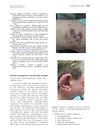
A 72-year-old man was diagnosed with a rare skin form of Rosai-Dorfman disease after years of misdiagnosis.
August 2023 in “Journal of Investigative Dermatology” Skin organoids can regenerate hair by forming specific cell units with certain signals.
 18 citations
,
June 1995 in “International Journal of Dermatology”
18 citations
,
June 1995 in “International Journal of Dermatology” Women experience various skin issues at different life stages, requiring careful treatment and awareness.
 1 citations
,
April 2016 in “British Journal of Dermatology”
1 citations
,
April 2016 in “British Journal of Dermatology” Buschke-Ollendorff syndrome is a rare genetic disorder causing skin and bone changes, with some cases also showing ADHD or developmental delays.
 February 2026 in “Journal of Dermatology and Skin Science”
 Dermatologists are key in detecting and managing OCD and BFRBs by working with psychiatrists.
 November 2022 in “Journal of Investigative Dermatology”
 Neutrophils quickly respond to skin injury.
33 citations
,
August 2014 in “Veterinary Dermatology” Keratinocytes play a key role in skin health, but more research is needed.
 5 citations
,
January 2017 in “Clinics in Dermatology”
5 citations
,
January 2017 in “Clinics in Dermatology” Skin symptoms without a medical cause often reflect psychological stress and are influenced by culture, requiring a team approach for treatment.
2 citations
,
September 2020 in “International Journal of Molecular Sciences” Removing certain hair follicle stem cells worsens skin reactions to allergens.
5 citations
,
June 2024 in “Phenomics”  November 1999 in “Australasian Journal of Dermatology”
 The document concludes that there is a need for more research and regulation in dermatology, covering topics like latex allergy in children, the use of botulinum toxin, and treatments for skin conditions.
13 citations
,
January 2018 in “Yonsei Medical Journal” A specific gene mutation causes Olmsted syndrome.
 4 citations
,
January 2012 in “Elsevier eBooks”
4 citations
,
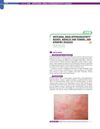
January 2012 in “Elsevier eBooks” The document concludes that various skin conditions have specific treatments, ranging from antihistamines for urticaria to surgery and medication for tumors and chronic skin diseases.
30 citations
,
July 2023 in “Journal of Cutaneous Medicine and Surgery” Understanding sex and gender differences can improve personalized dermatology care.
June 1992 in “The Journal of dermatologic surgery and oncology” 1 citations
,
September 2023 in “International Journal of Women’s Dermatology” Dermatologists are crucial in providing personalized care for patients with sex development differences.
 January 2009 in “Springer eBooks”
 The document concludes that treating skin conditions should include psychological care and a multidisciplinary approach is essential for effective management.
 January 1982 in “Journal of The American Academy of Dermatology”
 Experts discussed treatments for skin conditions in children, emphasizing hydration, cautious medication use, and early intervention for infections.
 August 2017 in “Journal of The American Academy of Dermatology”
 The book is a detailed and well-organized resource on skin conditions, useful for medical students and dermatologists.
 October 2016 in “Elsevier eBooks”
 Common noncancerous skin diseases have various treatments, including topical applications, light therapy, surgery, and medications, with psychological support being important.
April 2026 in “Journal of Dermatology Research” The skin communicates with the nervous system, and targeting neurohormones like melatonin and oxytocin could help treat skin issues.
The skin plays a key role in immune responses and reflects emotional and stress reactions.
29 citations
,
January 2012 in “Chemical immunology/Fortschritte der Allergielehre/Progress in allergy/Chemical immunology and allergy” New cancer drugs often cause skin and nail problems.