187 citations
,
May 1988 in “Differentiation” Trichocytic cytokeratins are found in hair, nails, tongue, and thymus cells, showing complex regulation in tissue development.
July 2024 in “Journal of Investigative Dermatology” Reactive lipids from aging cells change the extracellular matrix, affecting cell function and inflammation.
2 citations
,
January 2016 in “İzmir Dr.Behçet Uz çocuk hastanesi dergisi” A child's scalp infection was caused by a fungus not previously known to do so, but it was successfully treated.
33 citations
,
April 2003 in “Oncogene” 
The chapter explains that there are many genetic skin disorders affecting skin cell formation, including both common and rare types.
38 citations
,
February 1989 in “Journal of Investigative Dermatology”  January 2025 in “bioRxiv (Cold Spring Harbor Laboratory)”
 Rhamnose may help hair growth and pigmentation, making it a potential treatment for hair loss.
4 citations
,
January 2013 in “International Journal of Trichology” Monilethrix has no effective treatment, but avoiding hair trauma helps manage it.
 5 citations
,
September 1986 in “Pediatric Dermatology”
5 citations
,
September 1986 in “Pediatric Dermatology” A family showed a new condition with inherited hair loss and skin changes, possibly due to one genetic disorder.
 3 citations
,
December 2020
3 citations
,
December 2020 The interdigital gland in crossbred sheep is similar to skin and has specialized structures for secretion.
12 citations
,
January 2001 in “Der Hautarzt” Trichorhinophalangeal syndrome causes hair, facial, and bone issues, with no specific treatment beyond gentle care.
 24 citations
,
July 1983 in “Clinical and Experimental Dermatology”
24 citations
,
July 1983 in “Clinical and Experimental Dermatology” Tigason improved hair growth in a boy with monilethrix without side effects.
18 citations
,
November 2016 in “Transgenic research” Overexpressing Tβ4 in cashmere goats improves hair fiber traits and increases cashmere yield.
105 citations
,
April 2017 in “International Journal of Nanomedicine” Ethosomes are effective for delivering drugs through the skin by penetrating deeply and targeting hair follicles.
93 citations
,
May 1990 in “The EMBO Journal” Mice with extra sheep genes had hair that fell out and regrew in cycles.
January 2008 in “Memorial University Research Repository (Memorial University)” Pygopus 2 helps ovarian cancer cells grow by aiding ribosomal RNA production, independent of Wnt signaling.
September 1978 in “PubMed” Chondroitin sulphate is more abundant than hyaluronic acid in skin and hair samples, except in gamma-keratosis.

Single-cell omics can improve sheep and goat breeding by enhancing traits like wool quality and fertility.
10 citations
,
January 1995 in “Dermatology” Dermatologists should consider congenital syndromes like TRPS in young adults with early hair loss.
12 citations
,
June 2011 in “Journal of Dermatological Case Reports” Shaving, erythromycin cream, and clotrimazole powder effectively treated the bad odor and rough hair.
January 1995 in “Revista de arqueología” 1 alpha,25-dihydroxy-vitamin D3 and calcipotriol speed up cell differentiation in hair follicles.
December 2011 in “URMIA MEDICAL JOURNAL” Glycoconjugate sugars are important for hair follicle development.
56 citations
,
January 2014 in “Journal of Investigative Dermatology” Olmsted syndrome can be inherited as an autosomal recessive trait due to a rare TRPV3 gene mutation.
 1 citations
,
February 2018 in “Australasian journal of dermatology”
1 citations
,
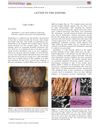
February 2018 in “Australasian journal of dermatology” Advanced imaging techniques are crucial for accurately diagnosing Monilethrix, a rare hair disorder.
11 citations
,
January 1989 Two patients had a unique form of trichothiodystrophy with reduced high-sulfur proteins in their hair.
 5 citations
,
July 2022 in “Orphanet journal of rare diseases”
5 citations
,
July 2022 in “Orphanet journal of rare diseases” RSPO1 mutations in certain patients lead to skin cells that don't develop properly and are more likely to become invasive, increasing the risk of skin cancer.
34 citations
,
August 2005 in “Veterinary Dermatology” Goats may need lifelong zinc supplements due to hereditary zinc absorption issues.
7 citations
,
August 2008 in “Immunogenetics” A gene mutation in mice causes increased mast cells and disorganized hair follicles in their skin.
37 citations
,
November 2024 in “Cosmetics” Ethosomes enhance skin penetration better than liposomes, benefiting therapeutic and cosmetic applications.
 September 2016 in “Journal of Dermatological Science”
 A gene mutation worsens skin irritation in mice due to a lack of certain fats.