Search
for
Sort by
Research
420-450 / 1000+ resultsresearch Identification of skin-expressed genes possibly associated with wool growth regulation of Aohan fine wool sheep
Certain genes and proteins may influence wool growth in Aohan fine wool sheep.
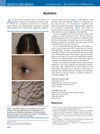
research Monilethrix
A 12-year-old girl was diagnosed with monilethrix, a genetic condition causing fragile, beaded hair that breaks easily, with no effective treatment available.
research 332 Generation of a gene expression signature for sebaceous glands by transcriptome comparison of psoriasis and sebaceous hyperplasia
Sebaceous gland atrophy and abnormal function may contribute to hair loss in psoriasis.
research Transcriptome-based selection and validation of optimal house-keeping genes for skin research in goats (Capra hircus)
NCBP3, SDHA, and PTPRA are the best genes for accurate goat skin research.

research Association analysis of polymorphisms in six keratin genes with wool traits in sheep
Certain gene mutations are linked to wool quality in sheep and could help in breeding for better wool.

research 1340 Basal keratinocytes exhibit age-related epigenetic and transcriptomic alterations resulting in an altered metabolic profile
Aging changes skin cells, leading to different DNA methylation and gene activity, affecting cell metabolism and aging signs.
research Trichothiodystrophy without associated neuroectodermal features in two siblings
Two sisters had a rare hair condition without other usual symptoms.
research Table 3_Molecular mechanisms underlying cashmere quality differences between Jiangnan cashmere goats and Changthangi pashmina goats.xlsx
Key genes affect cashmere quality differences between Jiangnan and Changthangi goats.
research Identification of Trichophyton rubrum by Nested PCR Analysis from Paraffin Embedded Specimen in Trichophytia Profunda Acuta of the Glabrous Skin
Nested PCR can reliably identify fungal infections when traditional methods fail.
research Table 2_Molecular mechanisms underlying cashmere quality differences between Jiangnan cashmere goats and Changthangi pashmina goats.xlsx
Cashmere quality differences between goat breeds are linked to specific genes and pathways.
research A BIOCHEMICAL MARKER IN A DOMINANT MOUSE TRAIT
The Naked (N) trait in mice is linked to lower glycine and tyrosine in hair proteins.
research Equine Hoof Stratum Internum K14+CD105+ Progenitor Cells: Culture, Characterization, and Model of Epithelial to Mesenchymal Transition
Equine hoof progenitor cells can help develop therapies for hoof diseases like laminitis.
research Localized trichorrhexis nodosa
Localized trichorrhexis nodosa is a hair condition where hair becomes fragile and breaks easily due to damage.
research The biochemical and phenotypic characterization of females homozygous for 5 alpha-reductase-2 deficiency.
Females with 5 alpha-reductase-2 deficiency have less body hair, no acne, normal fertility, and delayed menarche.
research PROTACs: A novel strategy for cancer drug discovery and development
PROTAC technology shows promise for cancer treatment but needs more effective E3 ligase recruiters.
research Alopecia patterns and trichoscopic findings in patients with autosomal recessive congenital ichthyosis
Alopecia is common in severe cases of autosomal recessive congenital ichthyosis.

research Telocytes: current methods of research, challenges and future perspectives
Telocytes have potential in therapy and tissue regeneration, but challenges in identification and cultivation remain.

research Skin Microbiome, Metabolome and Skin Phenome, from the Perspectives of Skin as an Ecosystem
Your skin is like an ecosystem, with its own community of microbes and substances that interact and affect its health.

research Lignans and Neolignans: Plant secondary metabolites as a reservoir of biologically active substances
Lignans and neolignans from plants may help protect against various health issues, including cancer and heart disease.
research The role of reactive oxygen species in cell growth: lessons from root hairs
Reactive oxygen species are essential for plant root hair growth.
research Gene and tonic: Sonic hedgehog disruption and fetal alcohol syndrome
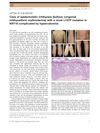
research Case of epidermolytic ichthyosis (bullous congenial ichthyosiform erythroderma) with a novel L157P mutation in KRT10 complicated by hypercalcemia
A man with a rare skin condition and a new gene mutation developed high calcium levels due to his treatment.
research 155 Exploring perceived quality of life in middle- to old-aged patients with inherited ichthyosis: a qualitative study
Inherited ichthyosis negatively impacts quality of life, affecting daily activities, self-image, and reproductive decisions.
research Glycogen phase separation drives macromolecular rearrangement and asymmetric division in E. coli
Glycogen helps E. coli cells divide unevenly and organize their contents.
research Hair Shaft Defect in a Teenage Girl: Trichoscopy Saves the Day!
Trichoscopy helped diagnose a teenage girl's hair loss as monilethrix.
research Identification of somatic and germline mosaicism for a keratin 5 mutation in epidermolysis bullosa simplex in a family of which the proband was previously regarded as a sporadic case
The keratin 5 mutation in a family with epidermolysis bullosa simplex was due to mosaicism, not a new mutation.
research Monilethrix
A boy with monilethrix has brittle hair that breaks easily due to a genetic condition, which might improve by puberty.
research THE EXPRESSION AND INTERACTION OF HEREDITARY FACTORS PRODUCING HYPOTRICHOSIS IN THE MOUSE: HISTOLOGY AND EXPERIMENTAL RESULTS
Hereditary factors cause hair loss in mice by affecting skin and hair follicle structure.

research Defining the transcriptional signature of esophageal-to-skin lineage conversion
Adult esophageal cells can start to become like skin cells, with a key pathway influencing this change.