10 citations
,
January 1997 in “Dermatology” Two siblings were diagnosed with Trichothiodystrophy, identified by brittle hair and low sulfur content.
 1 citations
,
January 2020 in “Skin appendage disorders”
1 citations
,
January 2020 in “Skin appendage disorders” A family was found with both Trichorhinophalangeal syndrome and Loose Anagen Syndrome, suggesting a genetic connection.
78 citations
,
May 2012 in “Journal of Investigative Dermatology” A specific gene mutation causes woolly hair and hair loss.

PmtHEE is a better model for studying pigmented skin because it includes melanocytes and shows improved cell differentiation.
3 citations
,
January 1984 33 citations
,
March 2018 in “Trends in cell biology” Metabolism plays a key role in determining stem cell fate.
 48 citations
,
July 1993 in “The journal of investigative dermatology/Journal of investigative dermatology”
48 citations
,
July 1993 in “The journal of investigative dermatology/Journal of investigative dermatology” Hair growth is controlled by specific gene clusters and proteins, and cysteine affects hair gene expression in sheep.
15 citations
,
April 2024 in “Animals” Inner Mongolia cashmere goats have the lowest inbreeding, aiding future breeding and conservation.
 111 citations
,
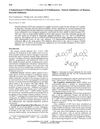
August 2002 in “Journal of Medicinal Chemistry”
111 citations
,
August 2002 in “Journal of Medicinal Chemistry” New compounds were made that block an enzyme linked to breast cancer better than existing treatments.
 May 2025 in “Pediatric Dermatology”
 Topical and oral minoxidil are the best treatments for monilethrix.
142 citations
,
August 2015 in “Arthritis & Rheumatology” Systemic sclerosis skin shows varied gene patterns, suggesting potential for personalized treatment.
14 citations
,
May 2017 in “Cell metabolism” Paneth cells and intestinal stem cells work together metabolically for stem cell function and regeneration.
January 1996 in “Studia iuridica” Two new gene mutations cause a rare hair disorder.
37 citations
,
January 2022 in “Frontiers in Genetics” Aging reduces dermal sheath cells, affecting youthful skin appearance.
4-(Ethoxycarbophenyl) retinamide is much less toxic than other retinoids.
 January 2025 in “Frontiers in Cell and Developmental Biology”
 Hox proteins help maintain keratinocyte identity by regulating miRNA expression.
 2 citations
,
August 2022 in “BMC veterinary research”
2 citations
,
August 2022 in “BMC veterinary research” Hair follicle stem cells from Arbas Cashmere goats can become fat, nerve, and liver cells.
January 1999 in “Journal of Investigative Dermatology”  November 2022 in “Journal of Investigative Dermatology”
 A new molecule was found to be a safe and effective skin lightener and anti-aging product.
3 citations
,
January 2017 in “Dermatology online journal” Dermoscopy helped diagnose a rare hair disorder in a 2-year-old boy.
 1 citations
,
January 2023 in “Journal of pharmaceutical and biological sciences”
1 citations
,
January 2023 in “Journal of pharmaceutical and biological sciences” Ethosomes are a promising way to deliver drugs through the skin.
July 2025 in “Journal of Investigative Dermatology” Three molecular subtypes of advanced skin T-cell lymphoma were identified, with potential biomarkers for predicting treatment response and disease progression.
 2 citations
,
August 2013 in “Journal of Investigative Dermatology”
2 citations
,
August 2013 in “Journal of Investigative Dermatology” Nuclear shape and chromatin changes affect gene expression in skin cell differentiation.
January 2018 in “Indian Dermatology Online Journal” A child with Olmsted syndrome showed mild improvement in hair and skin issues with treatment.
58 citations
,
November 1969 in “British Journal of Dermatology” Netherton's disease causes multiple hair defects.
February 2023 in “Journal of Plant Physiology”  July 2024 in “British journal of dermatology/British journal of dermatology, Supplement”
 A variant in the KRT31 gene causes a rare hereditary hair disorder called monilethrix.
December 2005 in “Science s STKE” Localized ROS production is essential for cell growth and movement in plants and animals.
13 citations
,
August 2005 in “Journal of Investigative Dermatology Symposium Proceedings” Mutations in the DSG4 gene cause fragile, sparse hair in humans, mice, and rats.
 4 citations
,
October 2014 in “Journal of Integrative Agriculture”
4 citations
,
October 2014 in “Journal of Integrative Agriculture” Researchers found 24 genes that change significantly and affect cashmere growth in goats; this could help increase cashmere production.