October 2025 in “Dermatology Practical & Conceptual” Ultraviolet techniques help identify Grover’s Disease, which may be underdiagnosed in young people and females.
33 citations
,
January 2015 in “Journal of Ginseng Research” Ginsenoside Rg3 from Panax ginseng can lighten skin by reducing melanin production.
8 citations
,
January 2016 Curcumin can safely replace Sunset Yellow as a food colorant.
 19 citations
,
November 1971 in “Clinica Chimica Acta”
19 citations
,
November 1971 in “Clinica Chimica Acta” The document concludes that measuring γ-glutamyl transpeptidase activity is more accurate with a higher substrate concentration and using diluted acetic acid to stop the reaction.
 5 citations
,
February 2019 in “Journal of oceanology and limnology (Online)”
5 citations
,
February 2019 in “Journal of oceanology and limnology (Online)” Ecklonia cava extract can reduce the damage and stress caused by hair dye.
 May 2026 in “Zenodo (CERN European Organization for Nuclear Research)”
 The herbal hair dye gel is a safe and effective natural alternative to chemical dyes, improving hair and scalp health.
Sweet violet helps with coughs, insomnia, allergies, and skin issues without major side effects at normal doses.
1 citations
,
November 2022 in “International journal of trichology” A woman's premature gray hair turned mostly black again after using Greyverse solution and hair supplements for 5 months.
 August 2025 in “Annals of Medicine”
 Mycophenolate mofetil may safely help restore skin color in depigmentation conditions.
1 citations
,
August 2018 in “Dermatologic Surgery”  5 citations
,
April 2018 in “Chem”
5 citations
,
April 2018 in “Chem” Graphene-based hair dye is a safe, durable, and effective alternative to traditional black hair dyes.
 8 citations
,
September 2004 in “Contact dermatitis”
8 citations
,
September 2004 in “Contact dermatitis” Avoiding dyed wigs and clothing improved severe allergic reactions in a woman treated with diphencyprone.
4 citations
,
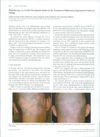
January 2025 in “Pharmaceutics” The gel is a safe and effective treatment for hyperpigmentation.
 10 citations
,
January 2010 in “Acta dermato-venereologica”
10 citations
,
January 2010 in “Acta dermato-venereologica” Light therapy can effectively treat vitiligo and hair loss caused by a specific medication.
 November 2022 in “Journal of Investigative Dermatology”
 A new molecule was found to be a safe and effective skin lightener and anti-aging product.
 February 2026 in “Cureus”
 The Q-switched ruby laser effectively lightened eyebrow tattoos but may reduce eyebrow hair density.
10 citations
,
September 2022 in “Journal of Biophotonics” Blue light therapy is safe for skin and may protect against UV radiation.
1 citations
,
September 2008 in “International Journal of Cosmetic Science” Using chelants in hair dye reduces fiber damage by preventing harmful radicals.
6 citations
,
January 2016 in “Indian Journal of Dermatology Venereology and Leprology” Most hair dyes can cause allergic reactions, so test before use.
 July 1989 in “British Journal of Dermatology”
 Long-term use of canthaxanthin may cause reversible changes in the eye, including crystal deposits and altered vision responses.
9 citations
,
December 2018 in “Journal of Analytical Toxicology” Ethyl glucuronide levels in hair can change when exposed to artificial sunlight, depending on hair color and thickness.

The herbal hair dye using Platycladus orientalis effectively prevents hair loss, covers gray, and is gentle and safe for all ages.
1 citations
,
October 2010 in “Proceedings of SPIE, the International Society for Optical Engineering/Proceedings of SPIE” The skin fully recovered after using the optical clearing agent, showing no long-term harm.
48 citations
,
May 2021 in “Molecules” Plant extracts from dry flowers can be used as safe, effective dyes in cosmetics, offering skin protection and anti-aging benefits.
 December 2025 in “Dermatology Reports”
 Topical ruxolitinib quickly improves non-segmental vitiligo.
9 citations
,
July 2012 in “Dermatitis” Hair dye with para-phenylenediamine can cause skin depigmentation.
 September 2016 in “Hair transplant forum international”
 Methylene blue is less effective than normal saline solution for storing hair grafts and may reduce graft survival.
12 citations
,
May 2023 in “Molecules” Polygoni Cuspidati Rhizoma et Radix contains compounds that inhibit certain enzymes.
1 citations
,
July 2024 in “Journal of Investigative Dermatology” VYN201 shows promise as a safe and effective treatment for non-segmental vitiligo.
6 citations
,
December 2019 in “International Journal of Cosmetic Science” White hair has weaker tryptophan fluorescence than other unpigmented fibers, possibly due to UV exposure or unknown substances.