January 2010 in “대한미용학회지” The herbal extracts effectively promoted hair growth.
10 citations
,
January 2023 in “Journal of Orthopaedic Surgery and Research” Panax notoginseng saponins with stem cells improve healing and reduce inflammation in diabetic ulcers.
 64 citations
,
March 2006 in “Food Chemistry”
64 citations
,
March 2006 in “Food Chemistry” The triterpenoids from Ganoderma lucidum can block testosterone effects and may help treat enlarged prostate.
 14 citations
,
December 2013 in “Molecules”
14 citations
,
December 2013 in “Molecules” Two compounds from Asiasarum heterotropoides roots show potential as lung cancer treatments without harming normal cells.
August 2026 in “Scientific Reports” Shiitake extract improves skin health by enhancing vitamin D receptor activity.
North American ginseng extract helped regrow hair in balding mice.
 22 citations
,
February 2002 in “Planta Medica”
22 citations
,
February 2002 in “Planta Medica” Compounds from Angelica koreana roots, especially osthenol, could be effective for treating conditions like prostate disease and hair loss.
1 citations
,
January 2009 in “The Korean Society of Beauty and Art” Korean Wild Ginseng extract may increase hair thickness and satisfaction among users, but not significantly increase hair count.
January 2026 in “Molecular Nutrition & Food Research” Gynostemma pentaphyllum and Damulin B help prevent skin aging from UVB by reducing oxidative stress and improving skin health.
 January 2024 in “Tropical journal of pharmaceutical research”
 Cirsium japonicum var. spinossimum seeds may help reduce inflammation and fight cancer.
1 citations
,
March 2009 in “China Journal of Chinese Matera Medica” Procyanidins may have antioxidant, heart health, cancer-fighting, anti-inflammatory, anti-diabetic, liver-protective, and other health benefits with high efficiency and low toxicity.
July 2026 in “Journal of Investigative Dermatology” Tanshinone Capsule may help regrow hair by boosting specific cell signals.
 June 2026 in “International Journal of Molecular Sciences”
 Black Ginseng Concentrate may help treat hair loss by improving cell function and reducing stress.
10 citations
,
April 2013 in “Revista cubana de plantas medicinales” Sida cordifolia L. is rich in saponins with antioxidant and antifungal properties.
 December 2022 in “한국 미생물 생명공학회지”
 TS-SCLF from fermented Schisandra chinensis may promote hair growth and improve hair quality.
December 2009 in “한국인체미용예술학회지” The herb extract helped prevent hair loss and promote hair growth.
2 citations
,
May 2024 in “Technology and Health Care” The ginseng cicada decoction effectively reduces atopic dermatitis symptoms and improves quality of life safely.
 12 citations
,
January 2019 in “Journal of Endocrinology”
12 citations
,
January 2019 in “Journal of Endocrinology” Baicalin may help reduce excessive male hormone levels in PCOS.
A mix of Polygonatum sibiricum and Nelumbinis semen may ease menopause symptoms with fewer side effects.
August 2024 in “International Journal of Pharmaceutics” The treatment promotes hair growth, improves hair density, and reduces skin irritation.
 January 2023 in “Applied sciences”
 Gefitinib and Sasam-Kyeongokgo together significantly reduce cancer growth and improve immune response in mice.
 10 citations
,
January 2021 in “Journal of Ginseng Research”
10 citations
,
January 2021 in “Journal of Ginseng Research” Red ginseng oil may help grow hair and protect skin from UVC light.
 25 citations
,
September 2009 in “Journal of Ginseng Research”
25 citations
,
September 2009 in “Journal of Ginseng Research” Korean red ginseng can significantly increase hair density and thickness in people with androgenic alopecia.
 January 2020 in “Jurnal Penelitian Perawat Profesional”
 Panax Ginseng may help prevent hair loss.
 37 citations
,
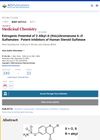
September 2003 in “Journal of Medicinal Chemistry”
37 citations
,
September 2003 in “Journal of Medicinal Chemistry” A substance called Compound 2g can strongly block STS (a hormone-related enzyme) without affecting estrogen levels, making it potentially good for treating breast cancer.
1 citations
,
October 2025 in “Current Issues in Molecular Biology” Escin improves skin blood flow and health by enhancing blood vessel networks.
20 citations
,
February 2021 in “Frontiers in Pharmacology” Angelica sinensis and Tetrapanax papyrifer are common in Taiwanese TCM for lactation, with potential anticancer benefits.
12 citations
,
September 2019 in “BioFactors” Ginkgolide B and bilobalide help mink hair grow by making skin cells healthier and boosting a key growth protein.
70 citations
,
May 2023 in “Molecules” Ginkgo biloba has health benefits but also contains toxic compounds, driving interest in its use in medicine and food.
August 2015 in “한국식품영양과학회 산업심포지움발표집”