 18 citations
,
April 2010 in “Actas Dermo-Sifiliográficas”
18 citations
,
April 2010 in “Actas Dermo-Sifiliográficas” Follicular unit hair transplantation is the standard method for natural-looking hair restoration in androgenic alopecia.
 15 citations
,
May 2004 in “Facial Plastic Surgery Clinics of North America”
15 citations
,
May 2004 in “Facial Plastic Surgery Clinics of North America” New techniques in hair restoration surgery can fix unnatural results from old methods, improving patient self-esteem.
 4 citations
,
January 2021 in “Journal of Clinical Medical Research”
4 citations
,
January 2021 in “Journal of Clinical Medical Research” c-Kit is important for heart regeneration and cancer development.
 June 2024 in “BioSCIENCE”
 Microinfusion of methotrexate can help treat frontal fibrosing alopecia.
 March 2024 in “Residência Pediátrica”
 An infant developed excessive hair growth after a bone marrow transplant and cyclosporine treatment.
 August 2023 in “Journal of Education Health and Sport”
 Botulinum toxin is used in many medical fields beyond cosmetic purposes.

Men's skincare products with essential oils can improve skin health and may increase male interest in cosmetics.
New techniques make hair transplants look more natural.
 14 citations
,
November 2005 in “Facial Plastic Surgery”
14 citations
,
November 2005 in “Facial Plastic Surgery” The article concluded that choosing the right surgical method based on a patient's specific needs can make the lower eyelid look younger.
 October 2025 in “Indian Dermatology Online Journal”
 Trichoscopy helped correctly diagnose and treat a scalp and eyebrow fungal infection.
1 citations
,
March 1991 in “PubMed” Naevoid bundle hair is an unusual hair growth pattern where multiple hairs fuse together.
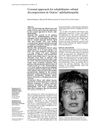 73 citations
,
January 1997 in “British Journal of Ophthalmology”
73 citations
,
January 1997 in “British Journal of Ophthalmology” The coronal approach is effective and safe for reducing eye bulging in Graves' eye disease.
October 2024 in “Indian Journal of Dermatology” Early biopsy is crucial for diagnosing rare skin sarcoidosis, improving treatment.
79 citations
,
January 1999 in “Dermatologic surgery” Different skin treatments work best for different levels of wrinkles and sun damage.
 March 2012 in “Journal of The American Academy of Dermatology”
 Temporal triangular alopecia usually starts in early childhood and treatment with Minoxidil has limited effectiveness.
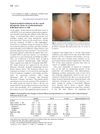 14 citations
,
July 2012 in “Journal of the American Academy of Dermatology”
14 citations
,
July 2012 in “Journal of the American Academy of Dermatology” Topical tacalcitol ointment can help improve symptoms of EFFC.
 November 2014 in “Springer eBooks”
 Using a patient's own tissue for browlifting can improve both the position and fullness of the brow for a longer-lasting rejuvenation.
2 citations
,
June 2013 in “Journal of Clinical Pathology” The LMNA mutation affects skin structure even in asymptomatic carriers.
17 citations
,
December 1994 in “International Journal of Dermatology” Recognizing both trichostasis spinulosa and eruptive vellus hair cysts together is crucial for accurate diagnosis and treatment.
June 2025 in “Australasian Journal of Dermatology” Pigmented rings with central clearing help diagnose melasma more accurately.
September 2025 in “Journal of Clinical Medicine” Elevated granulysin levels may indicate disease activity in vitiligo and alopecia areata.
20 citations
,
February 2015 in “Anais brasileiros de dermatologia/Anais Brasileiros de Dermatologia” A 6-year-old girl was diagnosed with a rare hair disorder and started treatment with topical minoxidil.
4 citations
,
January 1992 in “American Journal of Ophthalmology” 1 citations
,
January 2025 in “CPT Pharmacometrics & Systems Pharmacology” Ritlecitinib effectively regrows eyebrow and eyelash hair in alopecia areata, with 50 mg being the best dose.
 6 citations
,
October 2018 in “Drug safety - case reports”
6 citations
,
October 2018 in “Drug safety - case reports” Alitretinoin may cause irreversible hair curling as a side effect.
January 2015 in “프로그램북(구 초록집)” A 25-year-old man had an unusual case of benign skin tumors and hair loss.
1 citations
,
October 2024 in “Indian Dermatology Online Journal” PRP injections for hair loss may cause scalp nodules that can persist but often regress on their own.
100 citations
,
November 1997 in “Human Genetics” A new mutation in the hHb1 keratin gene is linked to the hair disorder monilethrix.

The man had myotonia, which caused delayed hand grip relaxation.
July 2023 in “International journal of physiology” Hypertrichosis lanuginosa causes excessive fine hair growth, often linked to genetics or cancer, with limited treatment options.