 December 2025 in “Cureus”
 Using 5α-reductase inhibitors for hair loss may increase the risk of dry eye disease.
 November 2025 in “Scientific Reports”
 AI improves accuracy and consistency in diagnosing male pattern hair loss.
 October 2025 in “Journal of Bahria University Medical and Dental College”
 Free testosterone is the most common hormone marker in PCOS, and age affects DHEAS levels.
 May 2025 in “The Journal of Rheumatology”
 Chronic granulomatous disease may be linked to developing systemic lupus erythematosus.

Survivors of severe COVID-19 need ongoing care to manage lasting health issues.
 January 2025 in “Dialnet (Universidad de la Rioja)”
 ADSC-enriched fat grafting is the best and safest aesthetic treatment, combining effectiveness and ethical confidence.
 January 2025 in “Bright Sky Publications eBooks”
 Advancements in medical physics and laser technology are improving healthcare but access remains unequal globally.
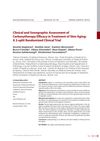 November 2024 in “PubMed”
 Carboxytherapy effectively and safely improves skin aging signs.
 March 2024 in “Research Square (Research Square)”
 PRP injections don't significantly help with mild to moderate erectile dysfunction.
 January 2024 in “Archives of dermatological research”
 Both treatments for alopecia areata showed similar modest effectiveness.
 January 2024 in “Wiadomości Lekarskie”
 AI can help diagnose Follicular Lymphoma by accurately identifying specific cell types.
 January 2024 in “Wiadomości Lekarskie”
 In the late 19th century, Jagiellonian University in Krakow was a hub for medical innovations in surgery, diagnostics, and cardiology.
 January 2024 in “Wiadomości Lekarskie”
 Robotic surgery's benefits over traditional methods are unclear and need more research.
 January 2024 in “Journal of Applied Pharmaceutical Science”
 Procyanidin B2 and leucopelargonidin from Saraca asoca may help treat PCOS by balancing hormones.
 January 2024 in “Wiadomości Lekarskie”
 Ancient immune and signaling pathways still regulate blood cell development.
 October 2023 in “Clinical and experimental dermatology and therapies”
 Doctors can quickly learn necessary skills and perform more procedures due to a strong educational system.
 January 2023 in “Research Square (Research Square)”
 Hair cortisol may be a good indicator of recent mood in people with bipolar disorder.

Quality of life improved after COVID-19, but ongoing health support is needed.
 January 2021 in “Victoria University Research Repository (Victoria University)”
 High-intensity interval training (HIIT) is better than moderate-intensity continuous training (MICT) for improving health in overweight women with PCOS.
 October 2020 in “Cirugía y cirujanos”
 Obesity is linked to more severe lower urinary tract symptoms.
 July 2015 in “Cambridge University Press eBooks”
 The document concludes that careful history and physical exams are crucial for accurately diagnosing polycystic ovary syndrome and distinguishing it from other similar conditions.
 January 1977 in “Case Reports in Medicine”
 Steroid cell tumors in the ovary are rare, can produce testosterone causing symptoms, and are mainly treated with surgery.

Ayurveda-based care may improve quality of life for breast cancer patients without serious side effects.
 November 2025 in “Scientific Reports”
 Liver disease is linked to hair loss, especially in women and those with unhealthy lifestyles.
 January 2025 in “Advances in Clinical Medicine”
 Platelet-Rich Plasma shows promise for treating low back pain but needs more research.
 April 2024 in “Frontiers in medicine”
 Alopecia Areata significantly lowers quality of life and current treatments are inadequate, highlighting a need for better therapies and standardized treatment protocols.
 September 2023 in “Reproductive health of woman”
 PCOS is common, affects fertility, and requires personalized treatment to manage symptoms and health risks.
 January 2023 in “International journal of homoeopathic sciences”
 Homeopathic remedies can help manage PCOS symptoms in girls aged 17-21.

Ayurveda-based care improved quality of life for breast cancer patients without serious side effects.
 November 2020 in “Elsevier eBooks”
 Antiandrogens and androgen inhibitors like spironolactone, finasteride, and dutasteride can treat hair loss and skin conditions, but they have risks and side effects, including potential harm to pregnant women and risks of cancer and heart issues. Herbal remedies also have antiandrogenic effects but lack safety validation.