 1 citations
,
September 2020 in “Journal of Dermatological Science”
1 citations
,
September 2020 in “Journal of Dermatological Science” The gene LRRC15 is more active in balding areas of the scalp compared to non-balding areas.
 November 2023 in “Food science of animal resources”
 Lactilactobacillus curvatus LB-P9 taken orally helps hair regrow faster and thicker in mice.
 September 2017 in “The journal of investigative dermatology/Journal of investigative dermatology”
 Scarred skin in lichen planopilaris loses immune cells due to a decrease in a specific protein in skin cells.
 April 2018 in “Journal of Investigative Dermatology”
 Finasteride helps female-pattern hair loss.
A new peptide, murikal/SPR4, was found to significantly increase hair growth in mice, and its liposomal topical formulations enhanced hair growth more than commercial products. However, results on human scalp skin were unclear, needing more tests.
 72 citations
,
June 2019 in “International Journal of Cosmetic Science”
72 citations
,
June 2019 in “International Journal of Cosmetic Science” 18β-glycyrrhetinic acid from licorice root is good for skin and hair treatments but has absorption challenges.
 5 citations
,
June 2024 in “Developmental Cell”
5 citations
,
June 2024 in “Developmental Cell” Activating TRPV1 can boost hair growth by involving neurons, macrophages, and fibroblasts.
March 2026 in “International Journal of Biological Macromolecules” Recombinant Filaggrin-2 microneedles effectively promote hair growth and repair in hair loss.
June 2025 in “Korean Journal of Pharmacognosy” Isoalantolactone promotes hair growth by activating specific cell pathways.
Combining PRP with low-level laser therapy is better for hair growth than PRP alone.
 14 citations
,
May 2018 in “Journal of the American Academy of Dermatology”
14 citations
,
May 2018 in “Journal of the American Academy of Dermatology” Platelet-rich plasma might be a new way to treat lichen planopilaris.
37 citations
,
June 1996 in “Journal of cellular physiology” Retinoic acid, glucocorticoids, and IGF1 increase IGFBP-3 production in human dermal papilla cells, affecting hair growth.
April 2023 in “Journal of Investigative Dermatology” A new treatment for hair loss shows promise with fewer side effects.
November 2025 in “Journal of Diabetes Investigation” Dapagliflozin improved blood sugar control in a man with Werner syndrome without side effects.
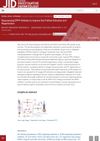 May 2023 in “Journal of Investigative Dermatology”
 Blocking DPP4 can potentially speed up hair growth and regeneration, especially after injury or in cases of hair loss.
October 2019 in “bioRxiv (Cold Spring Harbor Laboratory)” L-PRP and P-PRP reduced endometriosis in rats, but not significantly more than saline.
May 2005 in “Molecular Carcinogenesis” mrp/plf-mRNA can indicate tumor-promoting effects in skin.
 April 2021 in “Journal of Investigative Dermatology”
 People with atopic dermatitis have more CD4+ T cells that respond to a certain bacterial lipid, which may play a role in the skin condition's inflammation.
April 2022 in “Zenodo (CERN European Organization for Nuclear Research)” Combining PRP with LLLT is most effective for hair growth in androgenetic alopecia.
9 citations
,
June 2016 in “Stem cells” Overexpression of sPLA2-IIA in mouse skin reduces hair stem cells and increases cell differentiation through JNK/c-Jun pathway activation.
 39 citations
,
March 2008 in “Growth hormone & IGF research”
39 citations
,
March 2008 in “Growth hormone & IGF research” Raspberry ketone may help grow hair and improve skin elasticity.
 January 2026 in “Dermatology Reports”
 Upadacitinib improved symptoms and hair regrowth in a teen with multiple autoimmune conditions.
January 2013 in “프로그램북(구 초록집)” April 2023 in “Journal of Investigative Dermatology” CD8+ T cells attack hair follicle stem cells, causing scarring and hair loss.

IP-PA1 helps grow hair in mice and affects human cell growth-related genes differently than traditional hair growth treatments.
 49 citations
,
April 1997 in “Human reproduction”
49 citations
,
April 1997 in “Human reproduction” Hormone therapy for excessive hair growth is as good with GnRHa as with high-dose CPA, but GnRHa has longer-lasting results.
 February 2024 in “Australasian journal of dermatology”
 Janus kinase inhibitors may help treat lichen planopilaris.
April 2026 in “Case Reports in Dermatology” Tofacitinib effectively treated a woman's complex autoimmune and autoinflammatory disorders.
 24 citations
,
November 2019 in “Experimental Dermatology”
24 citations
,
November 2019 in “Experimental Dermatology” PPAR-γ is important for healthy hair and its problems, and more research on PPAR-γ treatments is needed.