 April 2024 in “Cellular signalling”
 Activating TRPMLs helps human cells important for hair growth and increases hair growth in mice.
1 citations
,
April 2016 in “Journal of lipid research” Lipin-1 is important for skin cell differentiation and skin barrier function.
 7 citations
,
September 2017 in “Scientific Reports”
7 citations
,
September 2017 in “Scientific Reports” Mice with too much sPLA₂-IIA have hair loss and poor wound healing due to abnormal hair growth and stem cell depletion.
 January 2021 in “Journal of cosmetology & trichology”
 L-(+)-Tartaric Acid may help increase certain hair growth genes without harming cells.
 2 citations
,
April 2016 in “Más dermatología”
2 citations
,
April 2016 in “Más dermatología” The supplement with Serenoa repens and Pygeum africanum significantly increased active hair growth and decreased rest phase hair in post-menopausal women with hair loss, with only mild digestive side effects.
 January 2026 in “Applied Biological Chemistry”
 Ishophloroglucin A from Ishige okamurae may be a natural alternative for treating hair loss by inhibiting 5α-reductase and promoting hair growth.
 January 2025 in “Brazilian Journal of Veterinary Medicine/Revista Brasileira de Medicina Veterinária”
 Deslorelin implant successfully regrew hair in a female Pomeranian with alopecia X.
April 2023 in “Journal of Investigative Dermatology” Increased TEMRA cells can predict treatment outcomes in rapidly progressive alopecia areata.
 12 citations
,
January 2018 in “Journal of Drug Delivery Science and Technology”
12 citations
,
January 2018 in “Journal of Drug Delivery Science and Technology” The new particle system could be a promising treatment for diseases related to the 5-α reductase enzyme.
Researchers created a new mouse model, G4, that mimics human PCOS symptoms and links the condition to a specific gene.
 12 citations
,
June 2019 in “Psychoneuroendocrinology”
12 citations
,
June 2019 in “Psychoneuroendocrinology” Allopregnanolone is needed for certain brain processing issues caused by D1 dopamine receptor activation.
 12 citations
,
May 2012 in “Endocrinology and metabolism/American journal of physiology: endocrinology and metabolism”
12 citations
,
May 2012 in “Endocrinology and metabolism/American journal of physiology: endocrinology and metabolism” Human scalp hair follicles can be used to study how prolactin affects hair growth and cell death.
7 citations
,
September 2003 in “Journal of Investigative Dermatology” PAR-1 may play a role in hair growth regulation in human hair follicles.
CyRL-QN15 peptide boosts hair growth in diabetic mice by activating specific cell pathways.
 1 citations
,
November 2019 in “The Korea Journal of Herbology”
1 citations
,
November 2019 in “The Korea Journal of Herbology” The herbal mixture RAA promotes hair growth and could be an alternative treatment for hair loss.
17 citations
,
May 2014 in “Cell transplantation” Genetically modified stem cells from human hair follicles can lower blood sugar and increase survival in diabetic mice.
 7 citations
,
February 2013 in “Tropical Journal of Pharmaceutical Research”
7 citations
,
February 2013 in “Tropical Journal of Pharmaceutical Research” Licorice root extract may promote hair growth in female rats.
Ganoderma lucidum extract may help treat stress-related hair loss.
 January 2026 in “Stem Cell Research & Therapy”
 ASLNC168501 can help treat hair loss by restoring hair follicle stem cell function.
GPC1 is important for hair growth by helping blood vessels form around hair follicles.
Blocking GPR91 can help prevent and reverse hair loss in androgenetic alopecia.
April 2017 in “Journal of dermatological science” Removing PLCg1 from skin cells caused thicker oil glands and less hair in mice.
71 citations
,
May 2024 in “New England Journal of Medicine” Ruxolitinib may effectively treat APS-1 by reducing harmful immune responses.
 105 citations
,
August 2010 in “Pharmacology & therapeutics”
105 citations
,
August 2010 in “Pharmacology & therapeutics” Formyl-peptide receptor agonists could be new anti-inflammatory drugs.
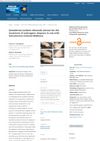
Ganoderma lucidum extract promotes hair growth in bald rats, with higher doses producing better results, similar to the effects of Minoxidil 2%.

Deucravacitinib improves symptoms and reduces inflammation in Lichen Planopilaris.
November 2025 in “Phytomedicine” L-rhamnose may promote hair growth by boosting energy production in cells.
 June 2024 in “International journal of biological macromolecules”
 The hydrogel effectively stops bleeding and heals diabetic wounds quickly.
5 citations
,
May 2024 in “Molecules” Glycyrrhetinic acid from licorice may help treat acne by reducing inflammation and oil production.
 6 citations
,
September 2018 in “Journal of Dermatological Treatment”
6 citations
,
September 2018 in “Journal of Dermatological Treatment” LLLT devices for hair loss need more research to define proper guidelines.