18 citations
,
July 2024 in “Frontiers in Immunology” Targeting specific molecular pathways may improve treatments for chemoresistant cancers.
13 citations
,
January 2023 in “Frontiers in Nutrition” Lindera aggregata has many beneficial compounds that can help prevent and manage diseases.
5 citations
,
November 2025 in “Cells” Advancements in wound healing aim to improve personalized treatments and enhance healing outcomes.
5 citations
,
November 2024 in “Cells” Fish cell spheroids are a promising tool for replicating real-life conditions in research.
1 citations
,
December 2025 in “Inorganics” Silver nanoparticles help heal wounds by preventing infections and promoting tissue repair.
1 citations
,
October 2023 in “Animals” A small dose of Platycladus orientalis leaf extract improves raccoon dogs' growth and health, but higher doses can be harmful.

Rice bran polysaccharides have potential uses in food, health, and cosmetics due to their beneficial bioactive properties.
 April 2023 in “Clinical Chemistry and Laboratory Medicine”
 The document concludes that inflammation markers can be used in diabetes, vitamin D3 affects immune pathways, hyperthyroidism changes hormone levels, androgen levels help diagnose Adrenocortical Carcinoma, erectile dysfunction is linked to diabetes, hypogonadism is common in HIV-infected males, and hormones can be biomarkers for various conditions.
6 citations
,
May 2024 in “Frontiers in Pharmacology” Natural products may help treat Non-Small Cell Lung Cancer by causing cancer cell death through ferroptosis.
3 citations
,
October 2024 in “Veterinary Medicine and Science” Topical moxidectin effectively treats mange in wombats.
5 citations
,
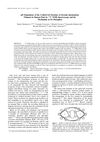
February 1998 in “Polymer” Human hair keratin has a 40% α-helix structure that changes to a random coil in 8 M urea.
4 citations
,
July 2010 in “International Journal of Cosmetic Science” Curved human hair has different structures on its convex and concave sides.
 May 2023 in “Research Square (Research Square)”
 Patients with acne and insulin resistance have different blood metabolites compared to those with only acne, which could help in diagnosis and treatment.
 7 citations
,
February 1998 in “Polymer journal”
7 citations
,
February 1998 in “Polymer journal” Keratin structure in hair is stable at pH 5-6 but disrupts between pH 6-7.
7 citations
,
February 2011 in “Journal of dermatology” The 736T>A mutation in the LIPH gene is common in Japanese people with autosomal recessive woolly hair.
40 citations
,
September 2004 in “Biomacromolecules” The Glu413Lys mutation in keratin affects hair stability, while Glu413Asp does not.
49 citations
,
January 1972 in “Biochimica et Biophysica Acta (BBA) - Protein Structure”  10 citations
,
March 2015 in “Journal of dermatology”
10 citations
,
March 2015 in “Journal of dermatology” The boy's severe skin disorder is caused by two new mutations in his TGM1 gene.
125 citations
,
February 1971 in “Biochemistry” Specific cross-linkages help make hair proteins stable and strong.
 25 citations
,
December 2005 in “Molecular Genetics and Metabolism”
25 citations
,
December 2005 in “Molecular Genetics and Metabolism” Taking riboflavin and eating less lysine can help some people with a specific genetic disorder avoid brain damage.
 9 citations
,
February 2018 in “The Journal of Dermatology”
9 citations
,
February 2018 in “The Journal of Dermatology” A new mutation in the LIPH gene was found to cause a rare hair disorder in a Japanese boy.
79 citations
,
March 2005 in “Journal of Medical Genetics” A mutation in the hHb3 gene is linked to the hair disorder monilethrix.
34 citations
,
November 1998 in “Journal of Investigative Dermatology” A common mutation in the hHb6 gene is linked to monilethrix, but other factors may also play a role.
29 citations
,
August 1999 in “Journal of Investigative Dermatology” New mutations in hair keratin genes cause the rare hair disorder monilethrix.
 August 2016 in “Journal of Investigative Dermatology”
 Researchers found a new genetic mutation linked to a hair condition in a Japanese boy.
20 citations
,
December 1999 in “Journal of Investigative Dermatology” Mutations in the hHb6 gene cause the hair disorder monilethrix.
 17 citations
,
October 2006 in “Molecular and Cellular Endocrinology”
17 citations
,
October 2006 in “Molecular and Cellular Endocrinology” The L457(3.43)R mutation in the human lutropin receptor causes increased activity and hormone insensitivity, leading to precocious puberty.
1 citations
,
September 2020 in “Journal of dermatology” Researchers found a new mutation in the LIPH gene of a woman with a rare hair condition.
2 citations
,
June 2013 in “Journal of Clinical Pathology” The LMNA mutation affects skin structure even in asymptomatic carriers.
November 2012 in “Experimental and Clinical Endocrinology & Diabetes” A new genetic mutation causes severe Leydig cell hypoplasia, affecting sexual development.