October 2024 in “Dermatologica Sinica” Recognizing unusual symptoms in Crohn's disease is crucial for proper treatment.

Pygo2 is important for early growth and progression of intestinal tumors, and could be a target for treating cancers with certain mutations.
 September 2025 in “Cureus”
 GLP-1 agonists may help treat certain skin conditions.
 July 2023 in “Current Issues in Molecular Biology”
 Escin may help treat hair loss by boosting a specific cell growth pathway.
September 2012 in “대한피부과학회지” Desmocollin 1 helps maintain skin structure during fetal development.
 December 2025 in “Frontiers in Endocrinology”
 High chromogranin A levels are linked to obesity and inflammation in polycystic ovary syndrome.
 January 2023 in “Brazilian Journals Editora eBooks”
 HPLC may detect prediabetes and diabetes earlier than Immunoturbidimetry because it shows higher A1c levels.
 102 citations
,
August 2008 in “Genes & Development”
102 citations
,
August 2008 in “Genes & Development” Laminin-511 is crucial for early hair growth and maintaining important hair development signals.
63 citations
,
May 2015 in “PloS one” GALT5 and GALT2 are important for plant growth and development because they help with protein glycosylation.
December 2011 in “URMIA MEDICAL JOURNAL” Glycoconjugate sugars are important for hair follicle development.
 March 2012 in “Journal of Pediatric and Adolescent Gynecology”
 Teens with PCOS have a higher risk of type 2 diabetes and need regular glucose checks.
 April 2018 in “Journal of Investigative Dermatology”
 Glycogen metabolism is important for energy and processes in human hair follicles, and hair follicles may produce glucose from lactate.
1 citations
,
December 2019 in “Canadian journal of ophthalmology” A girl with type 1 diabetes developed a serious eye condition very early, suggesting the need for earlier eye checks and that early treatment can work well.
92 citations
,
May 2004 in “Journal of Investigative Dermatology” 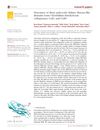 18 citations
,
February 2015 in “Acta Crystallographica Section D: Structural Biology”
18 citations
,
February 2015 in “Acta Crystallographica Section D: Structural Biology” The study concludes that certain domains in Clostridium histolyticum enzymes are structurally unique, bind calcium to become more stable, and play distinct roles in breaking down collagen, with potential applications in medicine and drug delivery.
September 2025 in “Journal of Clinical Medicine” Elevated granulysin levels may indicate disease activity in vitiligo and alopecia areata.
2 citations
,
April 2023 in “Diabetes Metabolic Syndrome and Obesity” 2h-ICPR can help screen for insulin antibodies in type 2 diabetes patients.
88 citations
,
June 2000 in “Journal of Investigative Dermatology” Keratin 17 is important for hair and nail structure and affects pachyonychia congenita symptoms.
February 2026 in “Endokrynologia Polska” Early diagnosis and treatment are crucial for managing Berardinelli–Seip syndrome.
1 citations
,
November 2024 in “Blood” PI3Kδ inhibition may effectively treat cutaneous chronic graft-versus-host disease.
 April 2023 in “Journal of Investigative Dermatology”
 Treprostinil, a drug, can delay wound healing in healthy cells but doesn't affect diabetic foot ulcer cells, suggesting further research could help understand its role in treating these ulcers.
28 citations
,
July 2005 in “Journal of Investigative Dermatology” Sca-1+ cells in newborn mouse skin may become fat cells.
3 citations
,
January 2022 in “Burns & Trauma” CTHRC1 helps sweat glands recover by rebuilding nearby blood vessels.
 6 citations
,
January 1988 in “Japanese Journal of Medicine”
6 citations
,
January 1988 in “Japanese Journal of Medicine” Hair glycation levels can indicate long-term blood sugar control.
 February 2026 in “International Journal of Nanomedicine”
 The system improved diabetic wound healing in rats.
14 citations
,
March 2015 in “Stem Cell Research & Therapy” ABCG2 protein marks stem-like skin cells in human epidermis.
April 2010 in “Cancer Research” Mcl-1 can activate Wnt signaling in skin cells, promoting growth and possibly cancer.
 April 2023 in “The journal of investigative dermatology/Journal of investigative dermatology”
 Lack of TG2 increases fat storage and lowers cell cleanup in skin oil cells.
 April 2017 in “Journal of Investigative Dermatology”
 A boy with Oculodentodigital syndrome had a unique GJA1 gene mutation causing his symptoms.
 March 2026 in “Folia Histochemica et Cytobiologica”
 LTBP1 is a key regulator in diseases and a potential target for new treatments.