
Dermal stem cells help regenerate hair follicles and heal skin wounds.
October 2022 in “The Korean Journal of Physiology and Pharmacology” Targeting the PGD2-DP2 pathway may help treat hair loss.
22 citations
,
July 2016 in “Cellular and Molecular Life Sciences” Genetic changes in mice help understand skin and hair disorders, aiding treatment development for acne and hair loss.
September 2025 in “Current Issues in Molecular Biology” IGF-1 can help regrow hair and may be a promising treatment for hair loss.
142 citations
,
March 2019 in “Molecules/Molecules online/Molecules annual” Cannabinoids may help treat various skin conditions.
49 citations
,
November 2021 in “Annual review of pathology” Lysophospholipids like LPA and S1P are important for hair growth, immune responses, and vascular development, and could be targeted for treating diseases.
 12 citations
,
July 2020 in “Aging”
12 citations
,
July 2020 in “Aging” The protein EZH2 blocks microRNA-22, increasing STK40 protein, which helps hair follicle stem cells change and grow hair.
7 citations
,
October 2023 in “European Journal of Pharmacology” Cannabidivarin (CBDV) may help brain cell growth and survival through the TRPV1 receptor.
5 citations
,
February 2014 in “PloS one” Eyelid cells share signaling components but differ in pathway activity.
 3 citations
,
December 2022 in “Cells”
3 citations
,
December 2022 in “Cells” Cannabinoids like CBD and THC may help treat non-cancer skin diseases, but more research is needed.
1 citations
,
February 2025 in “Journal of Dairy Science” The SLICK1 allele in Holstein heifers affects hair and immune traits without altering prolactin signaling.
 1 citations
,
March 2023 in “Phytochemistry Reviews”
1 citations
,
March 2023 in “Phytochemistry Reviews” CBD may improve skin and hair health, but its effective use and safety need more research.

New hair regrowth therapies show promise but need more research.
February 2024 in “International journal of molecular sciences” Type 3 Innate Lymphoid Cells help maintain skin health and balance, and are involved in skin diseases and healing.
 May 2023 in “Journal of Investigative Dermatology”
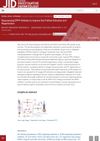
 Blocking DPP4 can potentially speed up hair growth and regeneration, especially after injury or in cases of hair loss.
 2 citations
,
April 2012 in “Science-business Exchange”
2 citations
,
April 2012 in “Science-business Exchange” Blocking a protein called prostaglandin D2 might help treat hair loss.
2 citations
,
January 2020 in “Evidence-based Complementary and Alternative Medicine” Hataedock treatment improved skin health and reduced atopic dermatitis symptoms by enhancing the skin barrier and reducing inflammation.
 April 2026 in “International Journal of Drug Delivery Technology”
 Topical prostaglandin analogues may improve hair density in androgenetic alopecia, but more research is needed.
 September 2023 in “Medicina-lithuania”
 The study suggests that analyzing DNA can help treat hair loss, but more research is needed.

DNA analysis can help tailor alopecia treatment.
 June 2012 in “Nature digest”
 A substance called prostaglandin D2 is linked to stopping hair growth in men with common baldness.
 April 2012 in “Lab Animal”
 Early exposure to germs may protect against autoimmune diseases, lack of sex increases alcohol preference in fruit flies, a potential baldness treatment could involve blocking a specific receptor, skin memory cells help prevent re-infection, high-fat diets can affect brain cells related to weight, and the link between social status, stress, and heart disease in primates is unclear.
 January 2016 in “Faculty Opinions – Post-Publication Peer Review of the Biomedical Literature”
 A substance called prostaglandin D2 is found more in bald scalps and it stops hair from growing. Blocking its receptor could potentially treat hair loss.
 June 2012 in “Faculty Opinions – Post-Publication Peer Review of the Biomedical Literature”
 Prostaglandin D2, found in higher levels in bald scalps, stops hair growth and could be a target for treating hair loss.
 May 2012 in “Faculty Opinions – Post-Publication Peer Review of the Biomedical Literature”
 Prostaglandin D2, found in higher levels in bald scalps, stops hair growth, suggesting that blocking its receptor could potentially treat hair loss.
1 citations
,
October 2019 in “PubMed” Removing the p75 gene in mouse skin cells didn't affect their skin or hair growth.
 12 citations
,
June 2020 in “Frontiers in Cell and Developmental Biology”
12 citations
,
June 2020 in “Frontiers in Cell and Developmental Biology” The PP2A-B55α protein is essential for brain and skin development in embryos.
125 citations
,
August 2003 in “Development” Mice with human-like EGFR had growth issues, skin defects, heart problems, and unusual bone development.
July 2025 in “Journal of Investigative Dermatology” 6 citations
,
March 2007 in “BioTechniques” PCR genotyping in cre-loxP mice can be inaccurate due to unintended gene deletions in non-target tissues.