 October 2020 in “Benha Journal of Applied Sciences”
 Troponin I may help detect heart problems in people with Androgenetic Alopecia.
 June 2020 in “International Journal of Research in Dermatology”
 Early postmenopausal women often experience skin issues like vaginal dryness, swallowing difficulties, hair loss, and uncommonly, keratoderma and hirsutism, but many are unaware these are related to menopause.
 February 2020 in “International Journal of Medical and Biomedical Studies”
 Adult acne is often mild and common on the cheek, with a low prevalence of PCOS in female patients, but more severe acne and skin damage in those with PCOS.
The right balance of Myo-Inositol to D-Chiro-Inositol in follicular fluid is crucial for good egg and embryo quality.
September 2019 in “Journal of Investigative Dermatology” IL-17 and certain immune cells are linked to more severe alopecia areata.
 January 2019 in “Springer eBooks”
 Acne can appear or persist in adulthood due to hormonal changes, external factors, or substance use, and requires appropriate treatment.
 November 2018 in “Annals of oncology”
 A scalp-cooling system effectively prevents hair loss in breast cancer patients treated with eribulin.
May 2018 in “Journal of Clinical Oncology” The treatment is safe and shows promise for metastatic breast cancer.
Higher PSA levels can indicate prostate cancer, but there's overlap with non-cancerous conditions.
January 2018 in “Figshare” Ruxolitinib and tofacitinib are effective and safe for treating severe alopecia areata.
 April 2017 in “The journal of investigative dermatology/Journal of investigative dermatology”
 Most patients experienced mild to moderate skin problems during a trial for a desmoid tumor treatment.

Platelet-Rich Plasma treatment is effective for hair loss and chronic ulcers.
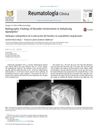 July 2016 in “Reumatología Clínica (English Edition)”
 The patient with Ankylosing Spondylitis had shoulder joint damage and bone changes.
January 2016 in “Refubium (Universitätsbibliothek der Freien Universität Berlin)” CAP7.1 is generally safe at 200 mg/m²/day, but can cause fatigue, nausea, hair loss, fever, and blood-related issues.
 December 2015 in “Basrah Journal of veterinary Research”
 Buffaloes in Basrah, Iraq, often lack minerals like zinc and copper, leading to health issues.
Finasteride can reduce prostate cancer risk but may delay diagnosis and cause sexual side effects.
May 2015 in “Cancer research” After chemotherapy for early breast cancer, 33.4% of patients had long-term significant hair loss, with some hair regrowth over time, but treatments for hair loss were largely ineffective.
 January 2015 in “International Journal of Research in Medical Sciences”
 A patient with HAIR-AN syndrome, PCOS, and Hashimoto's thyroiditis improved with early diagnosis and treatment to prevent serious health problems.
January 2015 in “UNIFESP Institutional Repository (Universidade Federal de São Paulo)” A 30 Gy radiation dose effectively causes severe radiodermatitis in rabbits.
February 2013 in “Americanae (AECID Library)” Finasteride may reduce prostate tumor cell invasion and spread.
 August 2012 in “Pharmaceutical Medicine”
 The document concludes that various medications and treatments can have significant, sometimes adverse, effects on health outcomes.
 August 2012 in “Expert Review of Dermatology”
 Men with early hair loss may have a higher risk of enlarged prostate and possibly prostate cancer due to shared hormonal factors.
 April 2012 in “The Journal of Urology”
 Eating more omega-3 and less omega-6 fatty acids may lower the risk of developing prostate cancer.
January 2012 in “Chinese Clinical Oncology” Disodium folinate can safely and effectively replace calcium folinate in colorectal cancer treatment.
 September 2011 in “Urology”
 Urinary PSA could be an early marker for enlarged prostate.
 March 2011 in “European Urology Supplements”
 The document concludes that a new biosensor can efficiently detect prostate cancer cells and that standardized referrals help find significant cancers effectively.
 March 2011 in “European Urology Supplements”
 Blood tests for tumor cells could improve prostate cancer diagnosis and treatment; hair loss severity linked to a gene affecting prostate conditions.
 September 2009 in “European Urology Supplements”
 IGRT resulted in lower acute toxicity for stage III prostate cancer patients.
November 2008 in “Cancer Prevention Research” Chemoprevention can significantly lower cancer risks and needs more research and collaboration.
 December 2007 in “Röntgenpraxis”
 Popliteal Artery Entrapment Syndrome (PAES) is a rare but possible cause of leg pain during walking, even in untrained women.