January 2010 in “Chinese Journal of Aesthetic Medicine” EGCG promotes hair growth in mice.
October 2001 in “Science news” Understanding hair growth and loss is complex, involving genetic and molecular factors.
 September 1984 in “Journal of Biological Education”
 Human hair growth involves active, resting, and intermediate phases, and examining plucked hairs can teach students about hair biology and diseases.
 March 2026 in “Scientific Reports”
 Ferulic acid may help hair grow by activating certain receptors in cells.
 January 2024 in “Skin appendage disorders”
 Using growth factors and microneedling shows promise for hair regrowth in Alopecia Areata, but more research is needed.
 November 2022 in “Journal of Investigative Dermatology”
 Growth hormone-releasing hormone (GHRH) boosts hair growth and human scalp hair follicles have their own growth hormone system.
 January 2020 in “Journal of Cosmetics, Dermatological Sciences and Applications”
 TrichoxidilTM could be a promising new treatment for hair loss.
 March 2019 in “The International Journal of Advanced Smart Convergence”
 Radish saponin extract may help grow hair in balding mice.
 August 2018 in “Journal of Investigative Dermatology”
 Polyunsaturated fatty acids, like arachidonic acid and eicosapentaenoic acid, can promote hair growth and may help treat hair loss.
Poly-D,L-lactic acid boosts hair growth in aged skin by activating hair follicle stem cells.
 53 citations
,
March 2014 in “Growth Hormone & IGF Research”
53 citations
,
March 2014 in “Growth Hormone & IGF Research” IGF-1 injections help mice grow more hair by increasing cell growth and blocking a hair growth inhibitor.
28 citations
,
November 1987 in “Journal of the American Academy of Dermatology” The model successfully grew and differentiated hair follicle cells in the lab.
 28 citations
,
February 2016 in “F1000Research”
28 citations
,
February 2016 in “F1000Research” Understanding glycans and enzymes that alter them is key to controlling hair growth.
 23 citations
,
September 2011 in “Journal of Dermatological Science”
23 citations
,
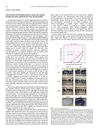
September 2011 in “Journal of Dermatological Science” Red LED light helps mouse hair grow by increasing growth factors from skin cells.
 11 citations
,
September 2012 in “Journal of Nanjing Medical University”
11 citations
,
September 2012 in “Journal of Nanjing Medical University” Cyclosporine A was found to increase hair growth in mouse whisker follicles.
 3 citations
,
October 2024 in “Advances in Therapy”
3 citations
,
October 2024 in “Advances in Therapy” Triptorelin effectively treats central precocious puberty in Chinese children with minimal side effects.
 2 citations
,
January 2015 in “BioMed Research International”
2 citations
,
January 2015 in “BioMed Research International” Growth factor treatments are increasingly used in medicine but require more research to fully understand their mechanisms.
 April 2026 in “BMC Biotechnology”
 A new peptide, DualPep-ALO, may help hair growth by reducing inflammation and boosting growth factors.
 March 2026 in “Food Science and Biotechnology”
 Blue honeysuckle fruit extract helps hair grow by activating a specific signaling pathway.
June 2025 in “Molecular Therapy — Nucleic Acids” A new treatment using a DNA aptamer can promote hair growth by targeting a specific receptor.
 January 2006 in “The Journal of Korean Medicine Ophthalmology and Otolaryngology and Dermatology”
 Rubus coreanum may help hair growth but not through the tested mechanisms, and none of the herbal extracts help with acne.
Avicennia marina extract and avicequinone C can potentially promote hair growth and treat hair loss by interfering with hair loss mechanisms and boosting growth factors.
February 2023 in “Materials today bio” The treatment effectively promotes hair regrowth in androgenetic alopecia without causing skin irritation.
 520 citations
,
February 2001 in “Journal of Clinical Investigation”
520 citations
,
February 2001 in “Journal of Clinical Investigation” VEGF helps hair grow and determines follicle size by increasing blood vessel growth.
 192 citations
,
March 1998 in “British Journal of Dermatology”
192 citations
,
March 1998 in “British Journal of Dermatology” Minoxidil boosts growth factor in hair cells, potentially promoting hair growth.
 170 citations
,
July 2012 in “Journal of Investigative Dermatology”
170 citations
,
July 2012 in “Journal of Investigative Dermatology” Wnt ligands are crucial for hair growth and repair.
 162 citations
,
August 2002 in “Survey of Ophthalmology”
162 citations
,
August 2002 in “Survey of Ophthalmology” Latanoprost can make eyelashes longer, thicker, and darker.
 136 citations
,
June 2006 in “Journal of Dermatological Science”
136 citations
,
June 2006 in “Journal of Dermatological Science” PDGF isoforms can promote and sustain hair growth.
 112 citations
,
July 1998 in “Journal of Investigative Dermatology”
112 citations
,
July 1998 in “Journal of Investigative Dermatology” Ruby laser pulses best destroy hair follicles during the growth phase and effectiveness varies with laser intensity; melanin is key for targeting, and timing treatments can improve results.
94 citations
,
July 2003 in “Journal of biological chemistry/The Journal of biological chemistry” EGF controls hair growth by regulating hair follicles' growth phases.