 September 2014 in “Springer eBooks”
 Aging causes hair to gray and thin, with the timing of graying varying by race, and factors like oxidative stress and genetics can lead to hair loss.
 20 citations
,
January 2015 in “Current problems in dermatology”
20 citations
,
January 2015 in “Current problems in dermatology” Hair gets thinner, grayer, and changes texture with age due to genetics, environment, and cellular changes, affecting the growth cycle.
 10 citations
,
October 2020 in “Frontiers in Cell and Developmental Biology”
10 citations
,
October 2020 in “Frontiers in Cell and Developmental Biology” Wounds can regenerate hair in young mice, but this ability declines with age, offering insights for improving tissue regeneration in the elderly.
 8 citations
,
January 2017 in “Stem Cells International”
8 citations
,
January 2017 in “Stem Cells International” A protein called sFRP4 from skin cells stops the development of pigment-producing cells in hair.
 242 citations
,
February 2016 in “Science”
242 citations
,
February 2016 in “Science” Hair loss and aging are caused by the breakdown of a key protein in hair stem cells.
 77 citations
,
March 2021 in “Nature”
77 citations
,
March 2021 in “Nature” Stress hormone corticosterone blocks a growth factor to slow down hair stem cell activity and hair growth.
 1 citations
,
September 2013 in “Elsevier eBooks”
1 citations
,
September 2013 in “Elsevier eBooks” Hair ages and thins due to factors like inflammation and stress, and treatments like antioxidants and hormones might improve hair health.
 32 citations
,
February 2024 in “Growth Hormone & IGF Research”
32 citations
,
February 2024 in “Growth Hormone & IGF Research” Dihydrotestosterone (DHT) stops hair growth in mice by lowering a growth factor important for hair.
 9 citations
,
July 2013 in “Experimental Dermatology”
9 citations
,
July 2013 in “Experimental Dermatology” Aging reduces the ability of human hair follicle cells to form new cell colonies.
 4 citations
,
August 2025 in “Scientific Reports”
4 citations
,
August 2025 in “Scientific Reports” Hair analysis can effectively detect diabetes and aging markers.
 14 citations
,
January 2017 in “Pharmacological Reports”
14 citations
,
January 2017 in “Pharmacological Reports” TP0427736 may help treat hair loss by blocking a specific protein and promoting hair growth.
 14 citations
,
December 2020 in “Journal of Investigative Dermatology”
14 citations
,
December 2020 in “Journal of Investigative Dermatology” Aging causes changes in the scalp that can affect hair growth and lead to older-looking hair in women.
 April 2018 in “Journal of Investigative Dermatology”
 The research found that a specific skin cell type not only triggers hair growth but also controls hair color, and that aging can lead to hair loss and color changes.
 13 citations
,
January 2017 in “Molecules”
13 citations
,
January 2017 in “Molecules” Compounds from Alpinia zerumbet may help with hair regrowth and cancer treatment by targeting PAK1.
 76 citations
,
April 2013 in “PLoS ONE”
76 citations
,
April 2013 in “PLoS ONE” Chronic stress can cause hair loss by increasing oxidative stress, but antioxidants may help.
 September 2016 in “Springer eBooks”
 Fat-derived stem cells may help treat skin aging and hair loss.
 January 2015 in “Springer eBooks”
 Fat-derived stem cells and their secretions show promise for treating skin aging and hair loss.
 75 citations
,
January 2014 in “Korean Journal of Urology”
75 citations
,
January 2014 in “Korean Journal of Urology” 5α-reductase inhibitors can cause sexual problems, higher risk of aggressive prostate cancer, and depression.
 9 citations
,
July 2018 in “European journal of dermatology/EJD. European journal of dermatology”
9 citations
,
July 2018 in “European journal of dermatology/EJD. European journal of dermatology” Disrupted sleep patterns can harm skin and hair cell renewal, but melatonin might help.
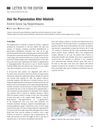 April 2025 in “Turkish Journal of Hematology”
 Nilotinib may cause gray hair to return to its original color.
July 2025 in “Journal of Investigative Dermatology” BrdU speeds up hair follicle aging and reduces hair quality.
 April 2024 in “Journal of ethnopharmacology”
 Ellagic acid may help regrow hair and prevent hair loss by activating a specific cell growth pathway.
55 citations
,
March 2010 in “Aging” Circadian clock genes are important for hair growth and may affect aging-related hair loss and graying.
 3 citations
,
April 2016 in “The journal of investigative dermatology/Journal of investigative dermatology”
3 citations
,
April 2016 in “The journal of investigative dermatology/Journal of investigative dermatology” Curcumin applied to the skin can start hair growth in mice.
 January 2023 in “Journal of clinical pharmacy and therapeutics”
 Isoliensinine, a natural compound, prevents stress-related hair greying by blocking a specific receptor on hair cells.
 May 2019 in “International journal of advanced chemistry”
 The green cream safely slowed hair growth by 25%.
2 citations
,
December 2025 in “Cosmetics” Proper scalp care can improve hair health and delay ageing signs.
 37 citations
,
October 2014 in “Maturitas”
37 citations
,
October 2014 in “Maturitas” Men's hair loss is caused by hormones and genes, and can be treated with medication and surgery, while graying is due to aging and has no prevention except dyeing.
 3 citations
,
February 2019 in “Journal of Cosmetic Dermatology”
3 citations
,
February 2019 in “Journal of Cosmetic Dermatology” The effects of estrogen on human scalp hair growth are unclear and need more research.
 January 2024 in “GeroScience”
 Using radiation to make mice's hair turn gray helps study and find ways to prevent or reverse hair graying.