 127 citations
,
January 2015 in “Journal of Biological Rhythms”
127 citations
,
January 2015 in “Journal of Biological Rhythms” The skin's internal clock affects healing, cancer risk, aging, immunity, and hair growth, and disruptions can harm skin health.
 14 citations
,
October 2020 in “Scientific reports”
14 citations
,
October 2020 in “Scientific reports” Hair greying is linked to reduced ATM protein in hair cells, which protects against stress and damage.
108 citations
,
July 2009 in “Experimental Dermatology” Leptin may improve skin regeneration and hair growth, and help reverse skin aging.
 14 citations
,
March 2022 in “Journal of Biomedical Science”
14 citations
,
March 2022 in “Journal of Biomedical Science” Cyanidin 3-O-arabinoside may help treat a common form of hair loss by protecting cells against aging and improving cell function.
7 citations
,
January 2024 in “Cancer Research Communications” TAp63 and NRF2 work together to manage oxidative stress, preventing premature aging and aiding skin functions.
 3 citations
,
October 2024 in “Frontiers in Medicine”
3 citations
,
October 2024 in “Frontiers in Medicine” Sun-exposed skin shows different cell activity and gene expression, suggesting targets to prevent skin aging and cancer.
 3 citations
,
April 2002 in “The Lancet”
3 citations
,
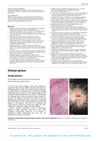
April 2002 in “The Lancet” Painful hair loss in an elderly woman was caused by giant cell arteritis, not just aging.
 January 2026 in “Forum Dermatologicum”
 LED therapy is safe and can help with acne, aging skin, and hair loss, but consumer devices may be less effective.
Amla is a powerful natural remedy with many health benefits, including anti-aging, hair care, and disease prevention.
April 2016 in “Dermatology Times” Ginseng might help with energy, memory, aging, cancer, skin issues, and hair loss.
March 2016 in “Journal of aesthetic nursing” Platelet-rich plasma therapy is versatile and popular for various treatments, including anti-aging.
Skin changes throughout life, from development before birth to aging effects like wrinkles, influenced by both genetics and environment.
Skin ages and changes due to sun, wind, and aging, causing dryness, thinning, and hair loss.
9 citations
,
September 2022 in “Pharmaceutics” Porcine placenta extract may improve hair growth and skin health.
6 citations
,
January 2020 in “Springer eBooks” Good nutrition is essential for healthy hair.

Early treatment is important for better hair regrowth in elderly women with hair loss.
142 citations
,
February 2016 in “Science” Foxc1 helps keep hair follicle stem cells inactive, preventing hair loss.
26 citations
,
January 2018 in “Annals of dermatology/Annals of Dermatology” Hair graying may be caused by stem cell depletion from stress or melanocyte damage.
 23 citations
,
October 2021 in “Cell Stem Cell”
23 citations
,
October 2021 in “Cell Stem Cell” Hair thinning causes stem cell loss through a process involving Piezo1, calcium, and TNF-α.
 5 citations
,
March 2018 in “Dermatologic Surgery”
5 citations
,
March 2018 in “Dermatologic Surgery” The study found that most donor sites are good for hairline restoration in Southeast Asian women, but hair characteristics should match for a natural look, and aging can reduce hair density and diameter.
5 citations
,
June 2006 in “PubMed” Combining laser hair removal with a cream effectively reduced facial hair.
3 citations
,
August 2025 in “Cell” Fibroblast bioelectric signaling can promote hair growth and may help treat hair loss.
 3 citations
,
July 2015 in “European Journal of Dermatology”
3 citations
,
July 2015 in “European Journal of Dermatology” AGEs may cause hair loss by increasing inflammation in hair follicles.
 1 citations
,
September 2023 in “eLife”
1 citations
,
September 2023 in “eLife” TLR2 is important for hair growth and can be targeted to treat hair loss.
 November 2025 in “Journal of Nanobiotechnology”
 A new treatment using special nanovesicles with linoleic acid shows promise in improving hair growth and reducing irritation for hair loss.
13 citations
,
May 2021 in “FASEB bioAdvances” Plant-based products can improve hair and skin health without harmful side effects.
A new treatment using conjugated linoleic acid nanovesicles can rejuvenate hair follicles and improve hair growth in androgenic alopecia.
A new treatment using conjugated linoleic acid in nanovesicles can rejuvenate hair follicles and improve hair growth in androgenic alopecia.
June 2024 in “Regenerative Therapy” Exosomes from stem cells may help rejuvenate skin and regrow hair, but more research is needed.
Senescence and genomic instability in fibroblasts contribute to hair loss and impaired skin regeneration with age.