 January 2021 in “Pediatric Oncall”
 Autoimmune hepatitis in children often affects girls and can be treated successfully with medication.
 December 2020 in “Current Sexual Health Reports”
 Finasteride can have lasting negative effects on brain function and behavior by disrupting neurosteroid production.

Melatonin can improve treatment and extend remission for certain skin conditions.
 January 2005 in “Elektronische Hochschulschriften der LMU München (Ludwig-Maximilians-Universität München)”
 Topical immunotherapy with DPCP is most effective for certain alopecia areata types, with success linked to age and disease duration, and influenced by a gene polymorphism.

The document listed medical job ads and guidelines for breast cancer screening.
 January 1983 in “Journal of the American Oil Chemists' Society”
 The U.S. soybean industry wanted government help due to foreign competition, while the jojoba industry was growing and expected to stabilize.

Follicular atopic dermatitis in dark skin can look different, making diagnosis harder.
 May 2026 in “International Journal of Veterinary Science”
 Higher dihydrotestosterone levels reduce crowing complexity in Kokok Balenggek roosters.
Most people with post-COVID syndrome experience symptoms like fatigue, but Omicron variants cause fewer persistent symptoms.
Testosterone therapy can safely and effectively treat symptoms like low libido and fatigue in women, especially after menopause.
 April 2026 in “Cellular and Molecular Immunology”
 SPT6 prevents excessive skin inflammation by blocking a feedback loop.
 February 2026 in “BMC Plastic and Reconstructive Surgery”
 Induced pluripotent stem cells could improve chronic wound healing but face safety and effectiveness challenges.

Elderly skin care needs personalized treatment, early intervention, and integrated psychiatric care.

Including ineffective or unsafe doses in reviews can lead to misleading conclusions about alopecia areata treatments.
 January 2026 in “Food and Feed Research”
 Bananas have many health benefits, including treating diarrhea, diabetes, and colds.
 September 2025 in “Meditsinskiy sovet = Medical Council”
 Atopic dermatitis significantly increases the risk of alopecia areata, especially in children.
 September 2025 in “Cureus”
 Early recognition and multidisciplinary management are crucial for improving outcomes in Parry-Romberg syndrome.
 September 2025 in “International Journal of Innovative Technologies in Social Science”
 Biologic agents are effective for severe hidradenitis suppurativa when other treatments fail.
 July 2025 in “International Journal of Pharmaceutical Research and Development”
 Exosomes can improve skin treatments with fewer side effects.
 June 2025 in “Medical academic journal”
 Modified liposomes with exosomes effectively deliver RNA to stem cells.
 December 2024 in “Ankara Universitesi Eczacilik Fakultesi Dergisi”
 Black cumin has many health benefits and potential for new medicines.
 September 2024 in “arXiv (Cornell University)”
 Fine-tuned BERT models are better than LLMs for detecting bias in medical data.
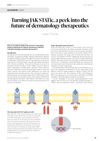 August 2024 in “New Zealand Medical Student Journal”
 JAK inhibitors show promise for treating skin diseases effectively and safely.
 May 2024 in “Frontiers in Immunology”
 Type-2 immunity may influence skin diseases and could be targeted for treatment.
 April 2024 in “Cell death and disease”
 Long COVID causes various long-term health issues and needs better awareness and treatment.
 April 2024 in “Journal of cancer research and clinical oncology”
 Tissue-derived extracellular vesicles are crucial for cancer diagnosis, prognosis, and treatment.
 March 2024 in “Frontiers in endocrinology”
 A new MTX2 gene mutation caused a severe genetic disorder in a young Chinese girl.
 September 2023 in “Frontiers in bioengineering and biotechnology”
 JAGGED1 could help regenerate tissues for bone loss and heart damage if delivered correctly.
 September 2023 in “Journal of pharmacognosy and phytochemistry”
 Plumbago zeylanica has valuable medicinal properties but needs sustainable cultivation methods.
 August 2023 in “Repository of the University of Primorsk (University of Primorska)”
 A Western diet may increase acne risk, while a Mediterranean diet and certain supplements can help reduce it.